
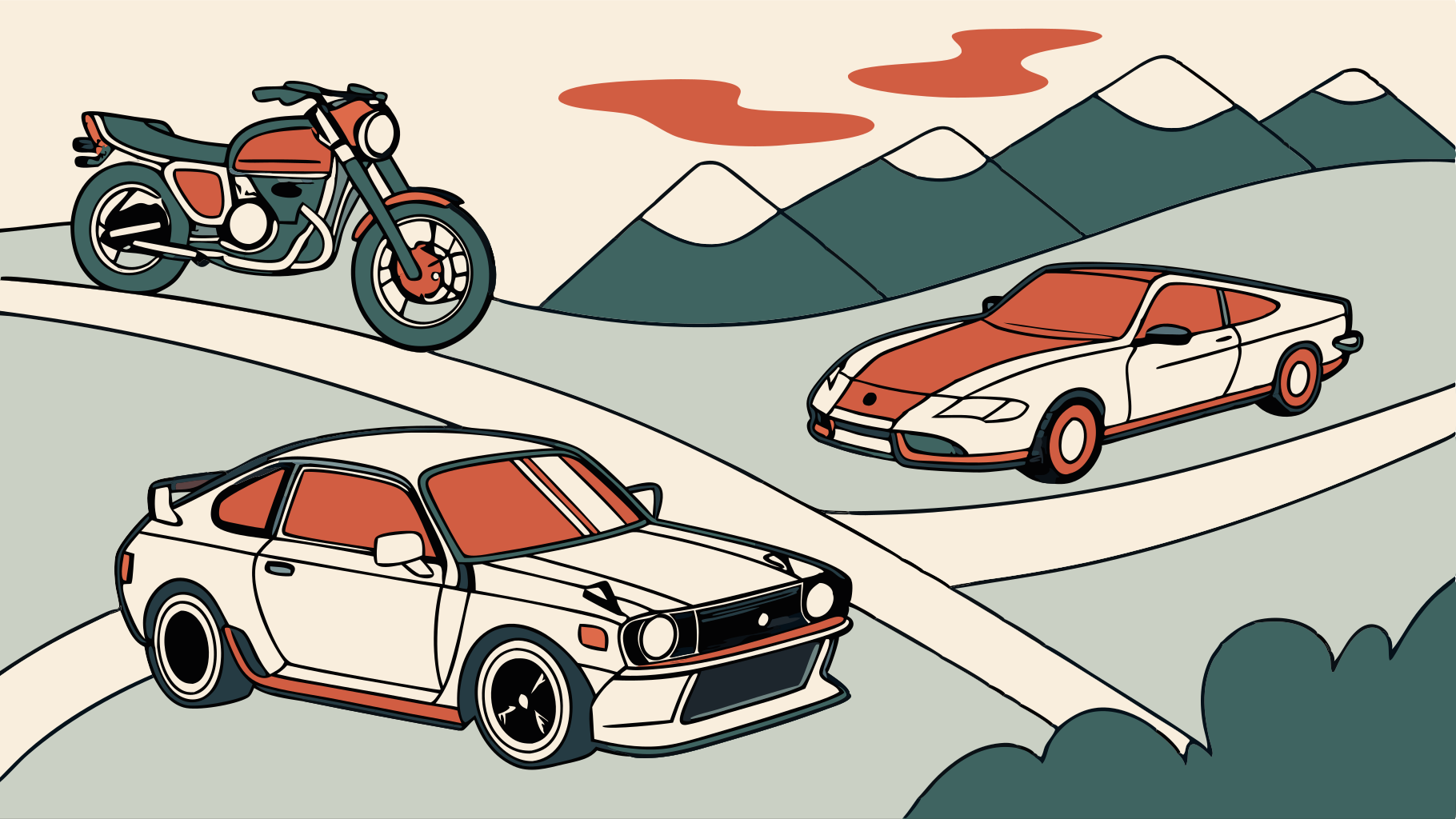
Honda is a name synonymous with reliability, innovation, and engineering excellence. From humble beginnings to becoming a global automotive and motorcycle giant, Honda's story is filled with intriguing facts, quirky anecdotes, and groundbreaking achievements. This article dives deep into 101 remarkable facts about Honda that showcase the brand’s unique character, engineering prowess, and cultural impact.
Whether you're a die-hard Honda fan or just curious about one of the world’s most influential manufacturers, these facts offer a comprehensive look into what makes Honda truly special. Buckle up as we explore the legacy of Soichiro Honda and the company that continues to power dreams around the globe.
The Origins and Early Innovations
The name Honda comes directly from its founder, Soichiro Honda, which translates to “the original rice paddy” in Japanese. This humble start was the foundation for a company that would revolutionize transportation worldwide.
Before Honda became a household name in cars, it was already the largest motorcycle manufacturer globally, a title it has held since 1959. The Honda Super Cub, launched in 1958, is the most produced vehicle in the world with over 100 million units sold, surpassing even the Toyota Corolla, which holds the title for the most produced car.
Interestingly, Soichiro Honda initially applied for an engineering job at Toyota but was rejected, which motivated him to start his own company. Ironically, Toyota would become one of his biggest customers, buying piston rings from Honda’s manufacturing plants. This early setback turned into a massive opportunity that helped Honda grow exponentially.
Engineering Excellence and Unique Design Choices
Honda is known for its engineering creativity and willingness to take risks. For example, the iconic Honda S2000 was developed with engineers given free rein, sidelining the marketing team—a rare move in the car industry. Engineers honed the car’s performance by testing it on mountain roads, focusing purely on driving enjoyment, resulting in a roadster that was “more Honda” than anything else.
Another fascinating tidbit is the Civic Type R’s center exhaust, which serves no functional purpose other than to produce a loud, “giggle-inducing” noise at low speeds. Honda deliberately avoided fake exhaust sounds pumped through speakers, choosing authenticity over gimmicks.
Honda also introduced the CVCC system in 1972, a groundbreaking technology that allowed engines to run cleaner and more efficiently without catalytic converters. This innovation was initially dismissed by General Motors, but Soichiro Honda famously proved them wrong by installing his "little toy" technology into a large Chevy Impala, passing US emissions tests with flying colors.
Honda’s Impact on Motorsports and Performance
Honda has a rich motorsport heritage. They were the first Japanese automaker to enter and win in Formula 1 and also the first Japanese motorcycle company to win the Isle of Man TT. Their dedication to performance is further exemplified by the Honda Civic Type R, which holds the Nürburgring record for the fastest front-wheel-drive car with a lap time of 7 minutes and 44 seconds.
The Honda NSX, a legendary sports car, was fine-tuned with input from racing icon Ayrton Senna, who famously told Honda engineers to stiffen the suspension and chassis. This collaboration helped create a car that remains a benchmark for balanced handling and performance.
Honda’s involvement in the IndyCar series began in 2006, and that year marked the first Indy 500 without any engine failures, a testament to Honda’s engineering reliability.
Quirky and Fun Honda Facts
Honda isn’t just about serious engineering; it also embraces fun and quirkiness. For instance, the Honda SMX featured foldable front and rear seats, allowing it to be converted into a giant bed—perfect for urban adventurers seeking a mobile hangout.
The Honda Beat, a small sporty car, came with zebra print seats that were the only available option, adding a touch of wildness to its personality. It was also the last car approved by Soichiro Honda before his death.
Honda even created a pickup truck version of the Civic Type R as a fun factory project, although it never made it to production. And the Honda CRV once came equipped with a picnic table, along with other quirky features such as foldable scooters and dog pouches.
Honda’s Social Impact and Innovations Beyond Cars
Honda’s influence extends beyond vehicles. The company has been a pioneer in accessibility, famously helping Norico Kotsuji, a woman with disabled hands, realize her dream of driving. Honda customized a Civic to her needs and even helped change Japanese laws to allow her to drive legally.
Honda also ventured into robotics with ASIMO, a humanoid robot designed to assist people with walking. ASIMO became a cultural icon in Japan, inspiring characters like Baymax from Big Hero 6.
In environmental innovation, Honda introduced the FCX, the world’s first zero-emission fuel cell vehicle, and the Insight, which was once the most aerodynamic car in production. The company’s commitment to sustainability is evident in its continuous development of hybrids and fuel-efficient technologies.
Honda’s Cultural Footprint and Unique Stories
The brand has left a lasting cultural footprint, from The Beach Boys’ 1964 song “Little Honda” to Acura’s anime series “Type S.” Honda’s presence in pop culture is vast and varied.
One incredible story involves a beat-up 1969 Honda N600, the first Honda imported to the US, which was restored and is now displayed in Honda’s museum thanks to a passionate owner’s discovery.
Honda also boasts a secretive museum in Torrance, California, housing 75 of its most influential vehicles and motorcycles, hidden behind blacked-out windows.
Challenges and Controversies
Even giants like Honda face challenges. In 2015, the company was fined $70 million over the Takata airbag scandal, which involved failing to report injuries and deaths related to defective airbags. This serves as a reminder that even the most respected companies must maintain vigilance in safety and transparency.
Honda also faced a rough period after Soichiro Honda’s death in 1991, narrowly avoiding a hostile takeover by Mitsubishi. The company’s strategic shift to focus on SUVs like the CRV and Odyssey proved to be a lifesaver.
Honda’s Legacy and What’s Next
Honda’s legacy is one of innovation, resilience, and a relentless pursuit of perfection. Their slogan, “The Power of Dreams,” perfectly encapsulates the spirit that drives the company forward.
Looking ahead, Honda plans to revive the Prelude, a model eagerly awaited by enthusiasts, with production set to resume in 2026. The company continues to push boundaries with new technologies like side-view cameras on the Honda e and hybrid powertrains.
Whether it’s their engineering marvels, quirky features, or social contributions, Honda remains a brand that inspires loyalty and admiration worldwide.
Conclusion
Honda’s fascinating journey from a small piston ring manufacturer to a global powerhouse is filled with stories of innovation, passion, and sometimes unexpected twists. From the most produced vehicle in the world—the Honda Super Cub—to the record-breaking Civic Type R, Honda’s influence spans motorcycles, cars, robotics, and beyond.
Through its engineering breakthroughs, cultural impact, and commitment to social responsibility, Honda has truly earned its place as an icon in the automotive world. Whether you’re a fan of classic models, cutting-edge technology, or just love a great story, Honda has something for everyone.
For those who want to dive deeper into Honda’s rich history and quirky facts, exploring the brand’s vast lineup and legacy is a journey worth taking.
Explore More About Honda
For fans and enthusiasts eager to dive deeper into Honda's fascinating story, engineering marvels, and cultural impact, there are excellent video resources available. One highly recommended channel is Nick Gikas, who offers detailed insights and engaging content about Honda vehicles and their legacy.
Honda’s Future and Sustainable Innovations
As Honda continues to push boundaries in automotive technology, it is also exploring innovations beyond traditional engines. While Honda has made significant strides in hybrid and fuel cell vehicles, the broader industry is rapidly evolving with new powertrain technologies and energy solutions. For those interested in the future of engine innovation and efficiency, engine innovation is a key area showcasing how manufacturers are meeting stringent emissions standards with cutting-edge fuel systems and turbocharger advancements.
Additionally, as sustainability becomes a priority, renewable energy sources like solar power are gaining traction. Understanding solar panels and their technology can be crucial for enthusiasts and companies alike, as they integrate clean energy solutions into their manufacturing processes and vehicle charging infrastructure.


