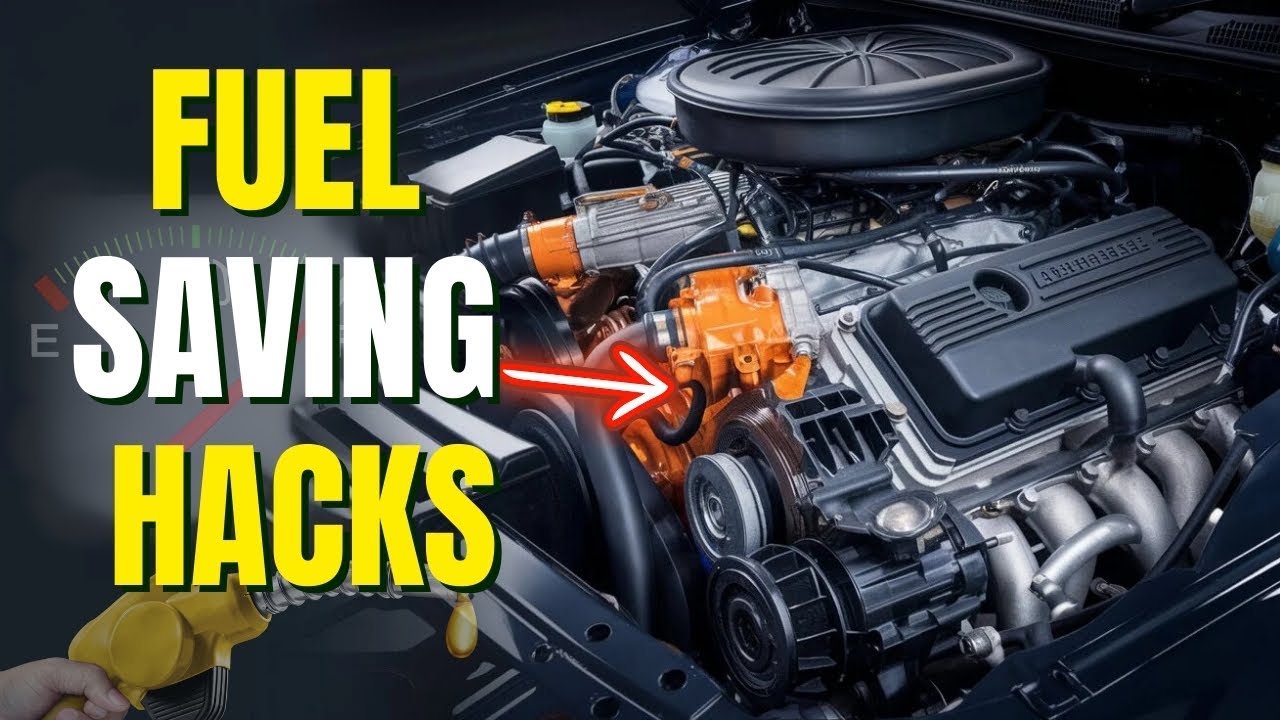
Fuel prices keep climbing, but small, targeted upgrades can help your car use less gas and deliver better performance. These are practical, cost-effective changes that improve combustion, reduce parasitic loss, and squeeze more miles out of every tank. Below are ten underrated engine upgrades that reliably boost fuel efficiency, along with when to install them and what kind of gains to expect.
1. Performance Air Intake System
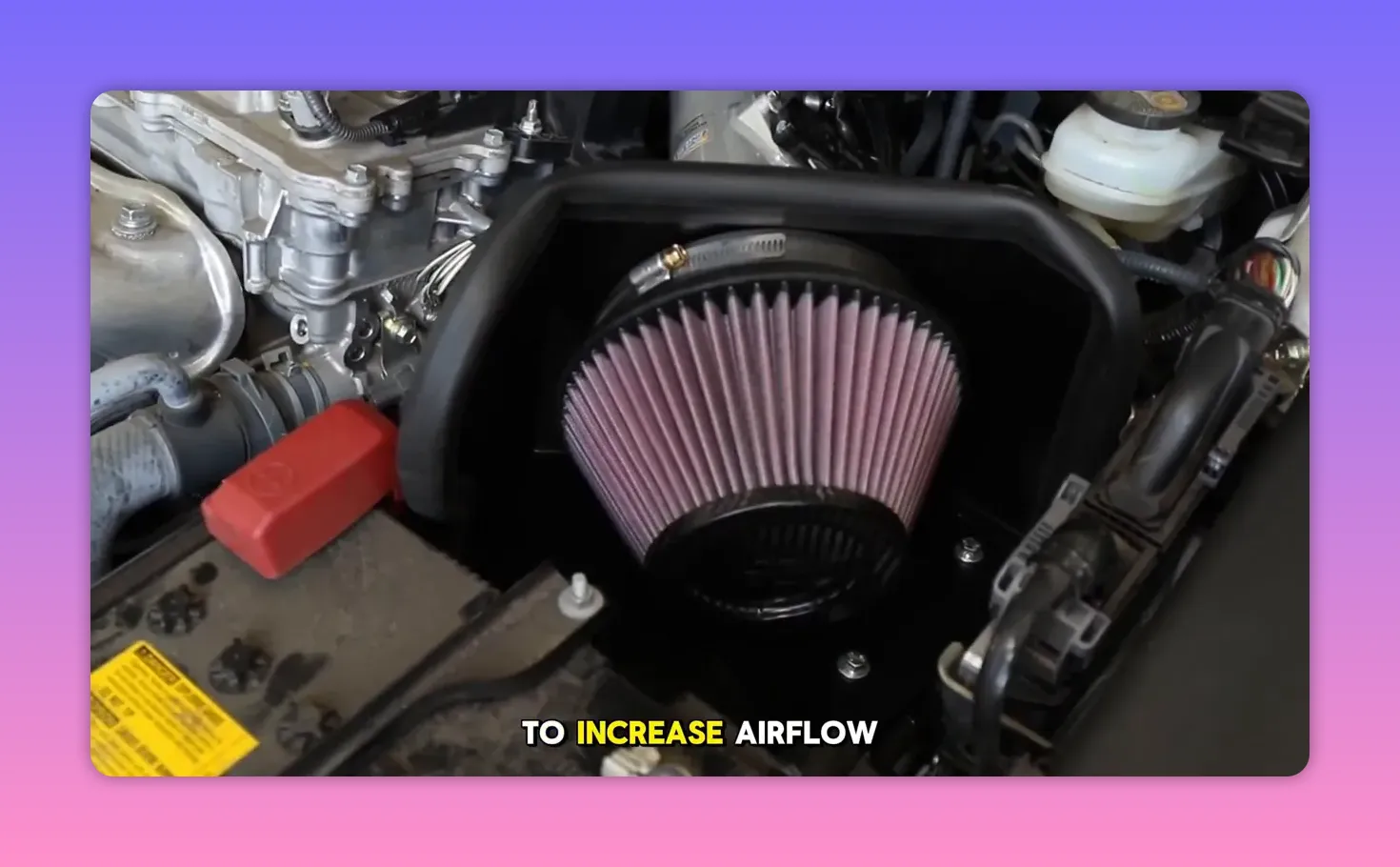
An upgraded air intake helps the engine breathe by supplying a higher volume of cooler air. Better airflow improves combustion and can deliver both more power and better fuel economy.
What it does: Increases airflow and lowers intake air temperature.
Benefit: Up to about 10% improvement in fuel efficiency on some cars when matched correctly.
Notes: Choose a system that fits your vehicle and preserves the mass air flow sensor signal. Many intakes are simple bolt-on installations for DIYers.
2. High-Performance Fuel Injectors

Fuel injectors control the amount and timing of fuel delivered to the engine. Upgrading to higher-quality injectors provides more precise fuel metering and a more consistent spray pattern, which improves combustion efficiency.
What it does: Ensures accurate, consistent fuel delivery.
Benefit: Better throttle response, cleaner combustion, and reduced emissions leading to measurable fuel savings.
Notes: Match injector flow rate to your engine management. Recalibration or an ECU tune may be needed to get the best economy and avoid running too rich or too lean.
3. Upgraded Spark Plugs
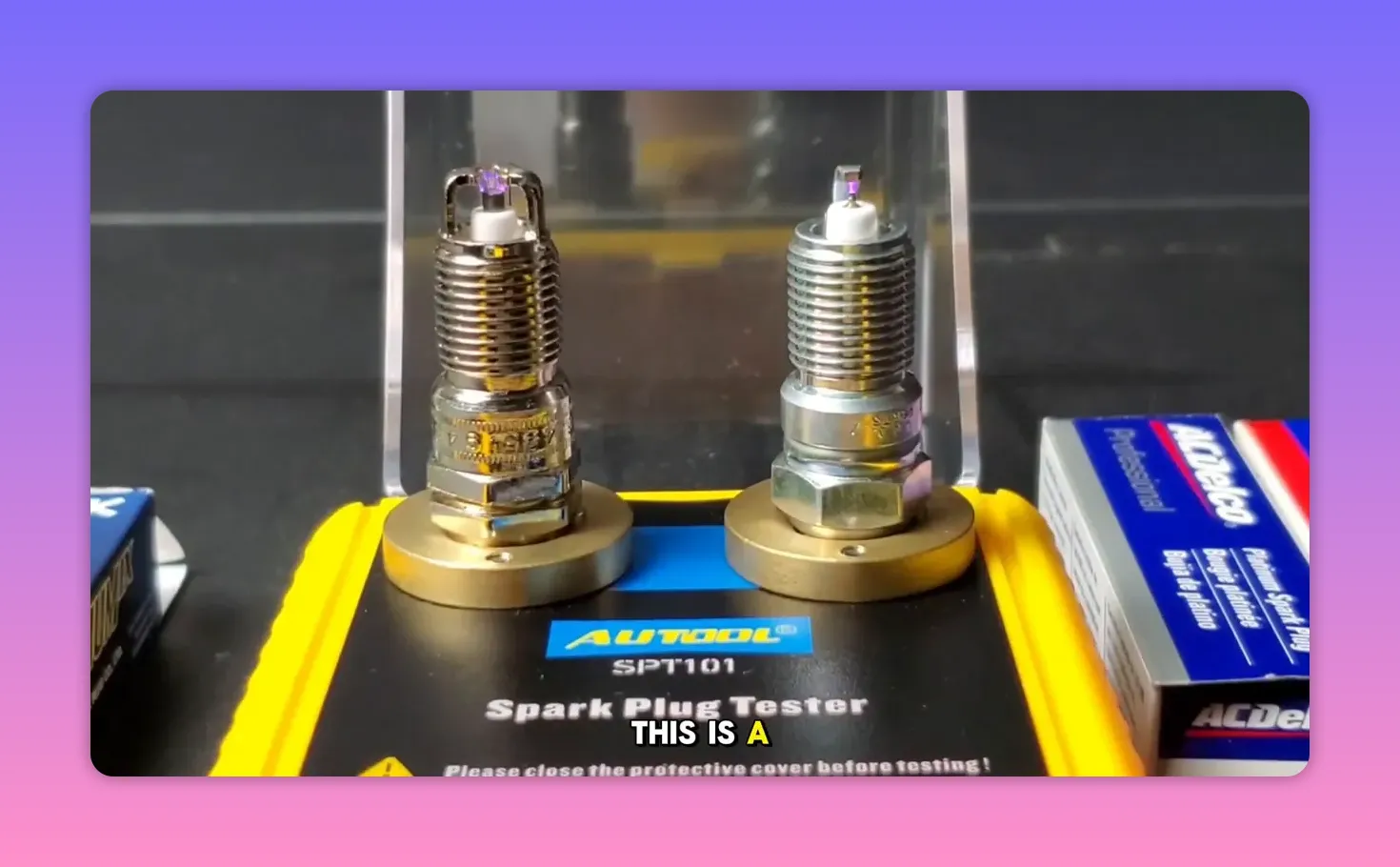
Spark plugs ignite the air fuel mixture. Worn plugs cause incomplete combustion and wasted fuel. Moving to high-performance plugs restores a strong, consistent spark for cleaner burns.
What it does: Delivers a more reliable ignition for complete combustion.
Benefit: Improved fuel economy, smoother idle, and fewer misfires. This is a low-cost upgrade with immediate returns.
Notes: Check the correct heat range and gap for your engine. Replace plugs according to the manufacturer's interval or sooner if symptoms appear.
4. Lightweight Flywheel
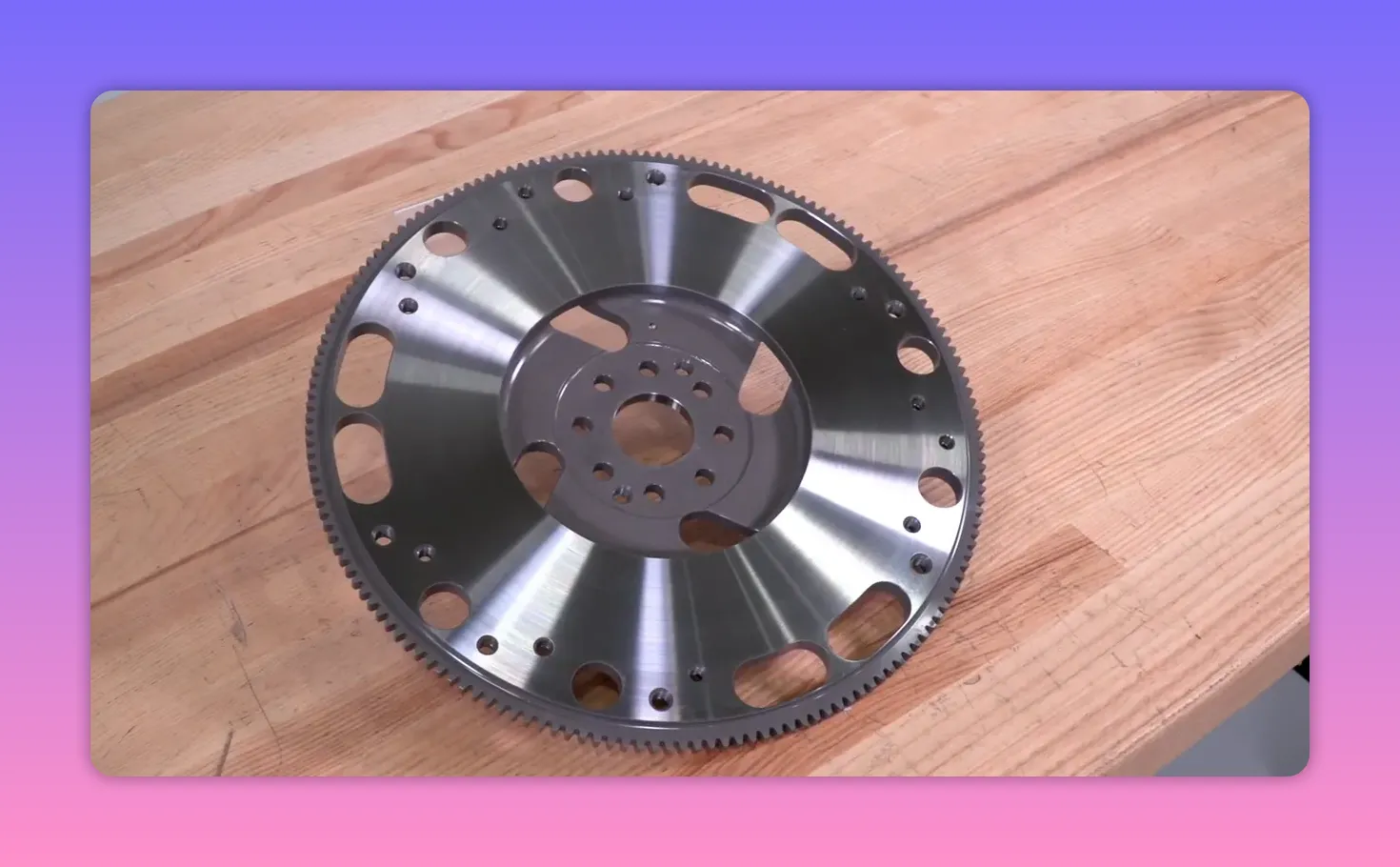
A flywheel stores rotational energy to smooth engine pulses. Heavy stock flywheels increase the energy required to rev the engine. A lightweight flywheel reduces that rotational mass so the engine uses less fuel while accelerating.
What it does: Lowers rotational inertia for reduced engine load during acceleration.
Benefit: Improved throttle response and up to about 5% fuel economy gain in some driving conditions.
Notes: This mod can change drivability, especially at low RPM. It is more common on manual transmissions and is best installed by a shop familiar with clutch and flywheel setups.
5. Synthetic Engine Oil
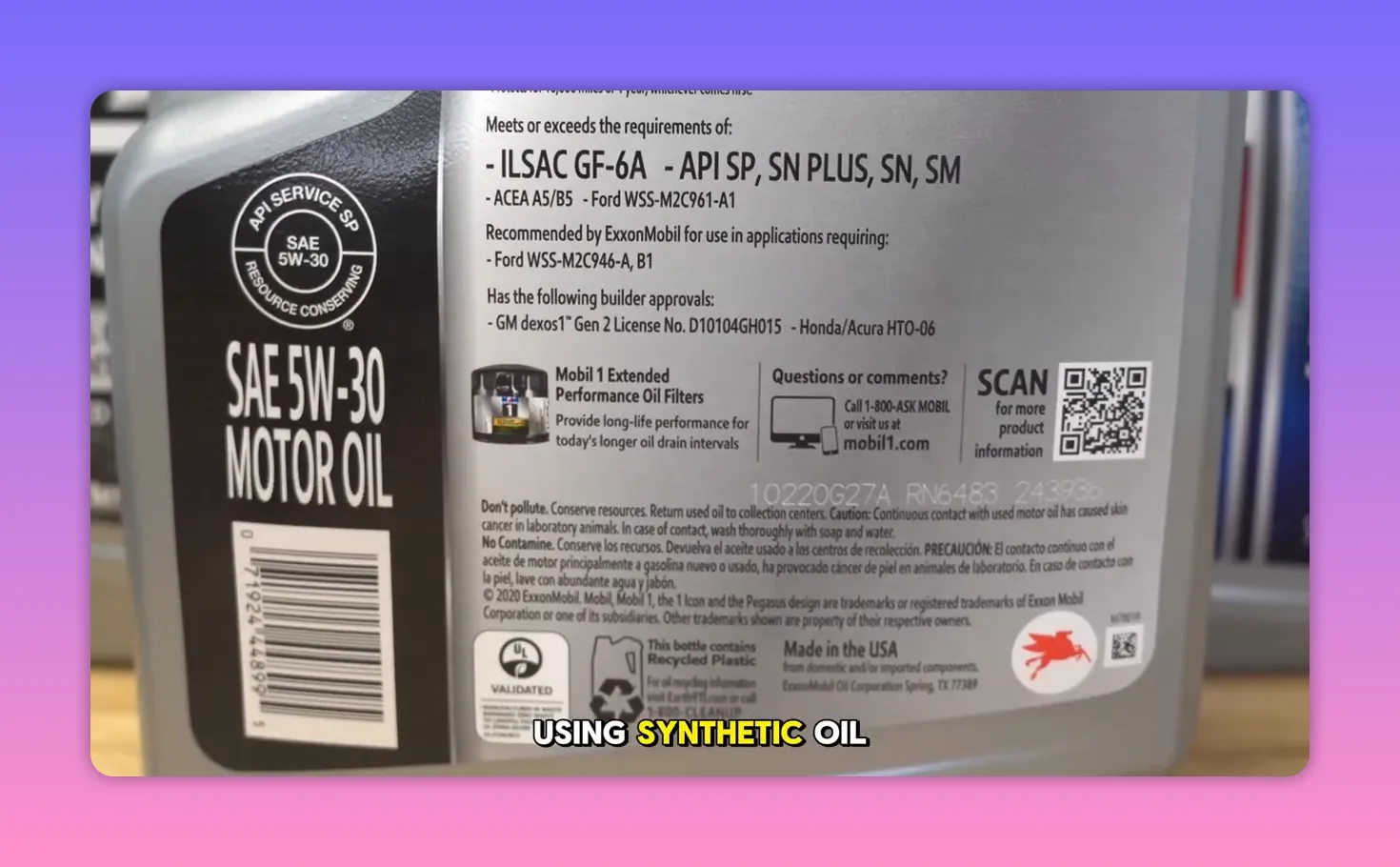
Switching from conventional oil to synthetic reduces internal friction and helps the engine run smoother. Less friction means the engine needs less energy to operate, which can translate to better fuel economy.
What it does: Reduces friction and maintains stable viscosity across temperatures.
Benefit: Reduced fuel consumption, lower engine wear, and longer oil change intervals in many cases.
Notes: Confirm the recommended viscosity and specifications for your vehicle before switching. The slightly higher upfront cost is often offset by long-term savings.
6. Exhaust System Upgrades

Efficient exhaust flow reduces the effort required for the engine to expel combustion gases. A less restrictive exhaust improves scavenging and overall engine breathing, which helps combustion efficiency.
What it does: Improves exhaust flow and reduces backpressure.
Benefit: Better performance and improved fuel economy when the system is properly matched to the engine.
Notes: Focus on quality mufflers, properly sized pipes, and a tuned header or mid-pipe. Avoid excessively loud or mismatched systems that can hurt low-end torque.
7. Turbocharger or Supercharger Installation
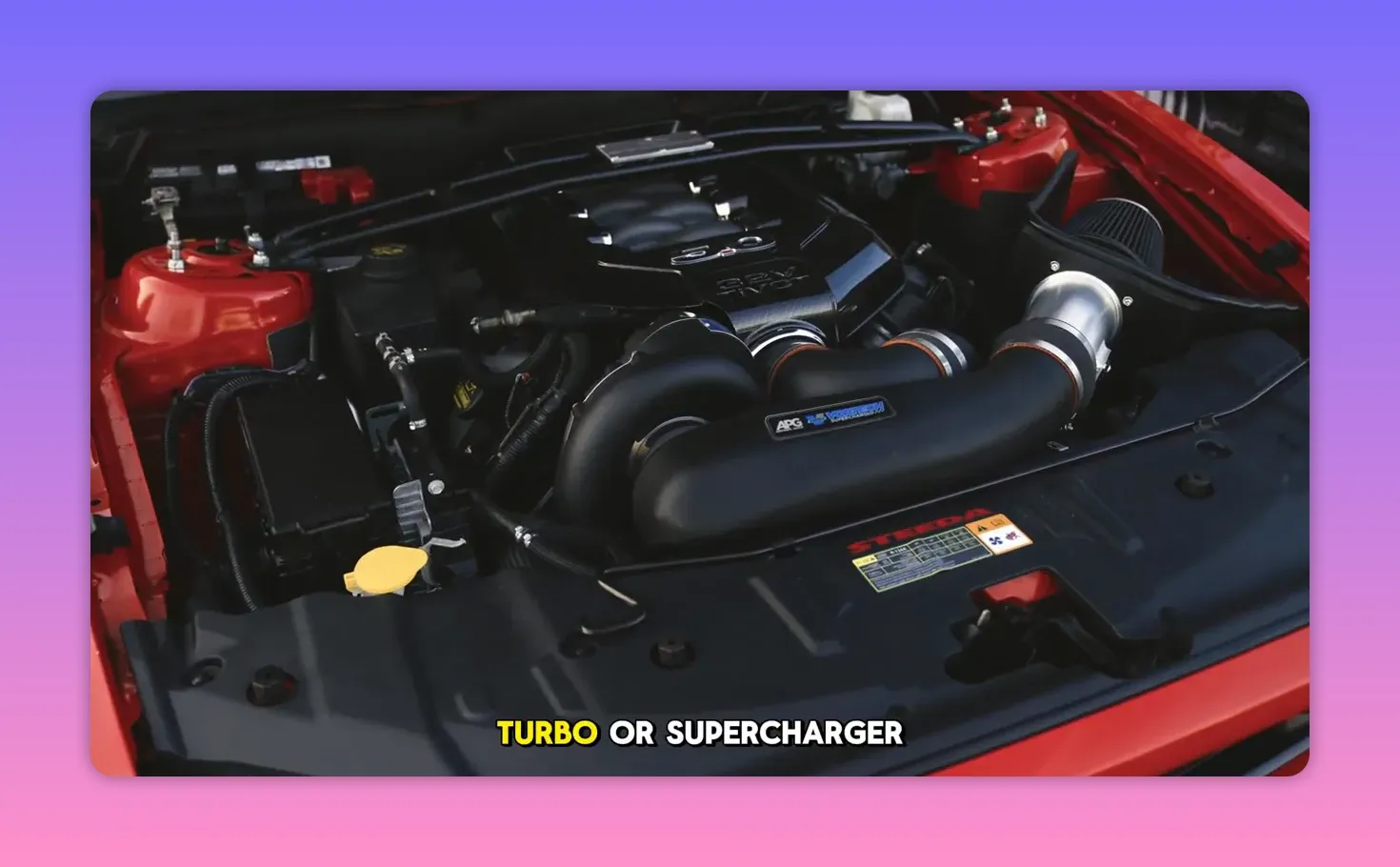
Forced induction is typically associated with power, but when installed and tuned for efficiency, a turbocharger or supercharger can improve how effectively an engine uses fuel. More air allows for more complete combustion and higher power output for the same fuel quantity.
What it does: Forces additional air into the combustion chamber for more efficient burns.
Benefit: Increased power per unit of fuel, especially at higher speeds and under load.
Notes: This is a higher-end upgrade. Proper tuning, upgraded fueling components, and supporting mods are essential. Professional installation and tuning are strongly recommended.
8. Fuel Management System
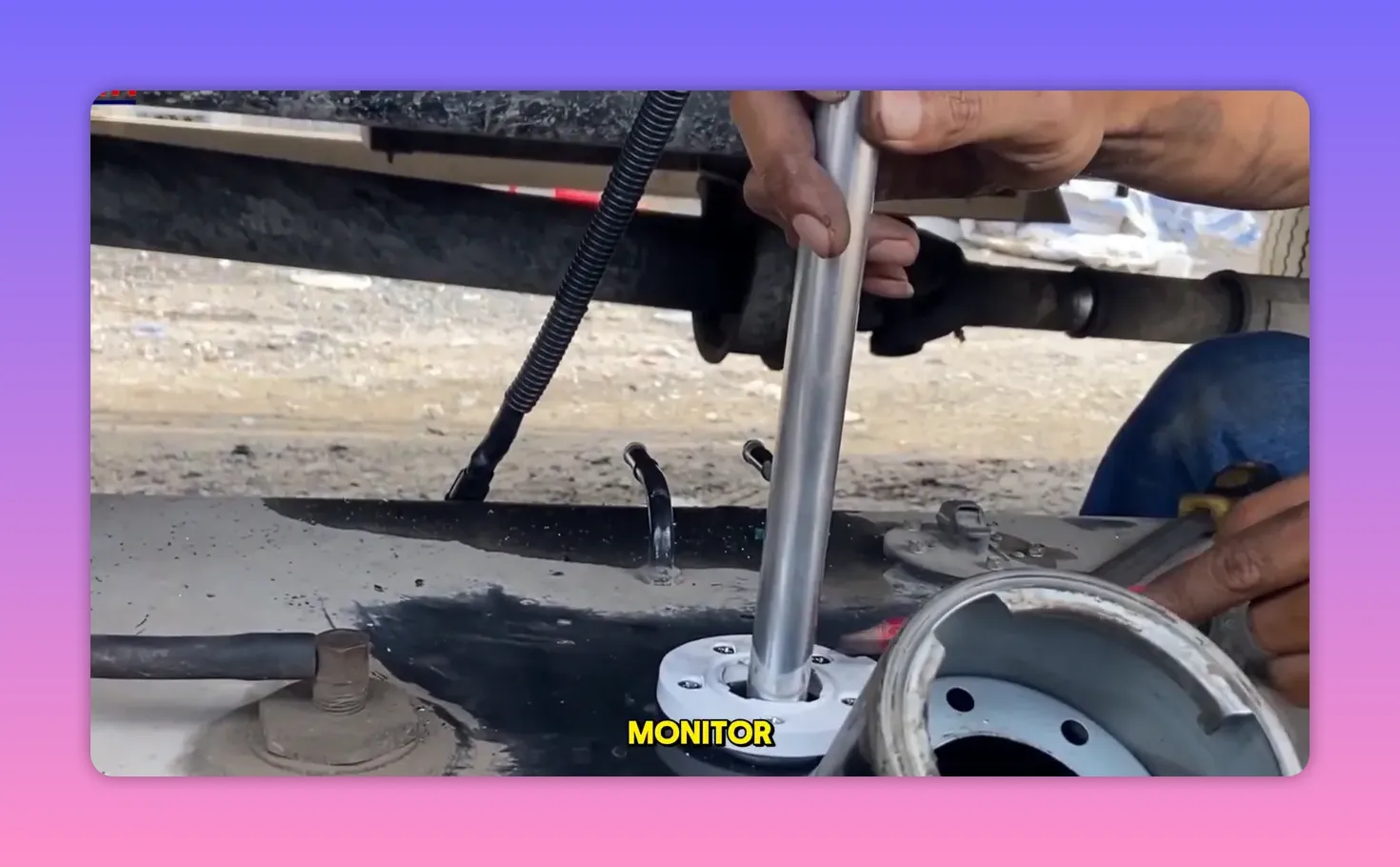
A fuel management system uses sensors and algorithms to monitor and optimize the air to fuel ratio in real time. By delivering precisely the fuel the engine needs for each condition, it minimizes waste and improves efficiency.
What it does: Continuously adjusts fuel delivery for optimal combustion.
Benefit: Better miles per gallon, reduced emissions, and improved drivability in city traffic and mixed conditions.
Notes: Look for systems compatible with your engine and that offer easy tuning and diagnostics.
9. Regularly Replace Air Filters
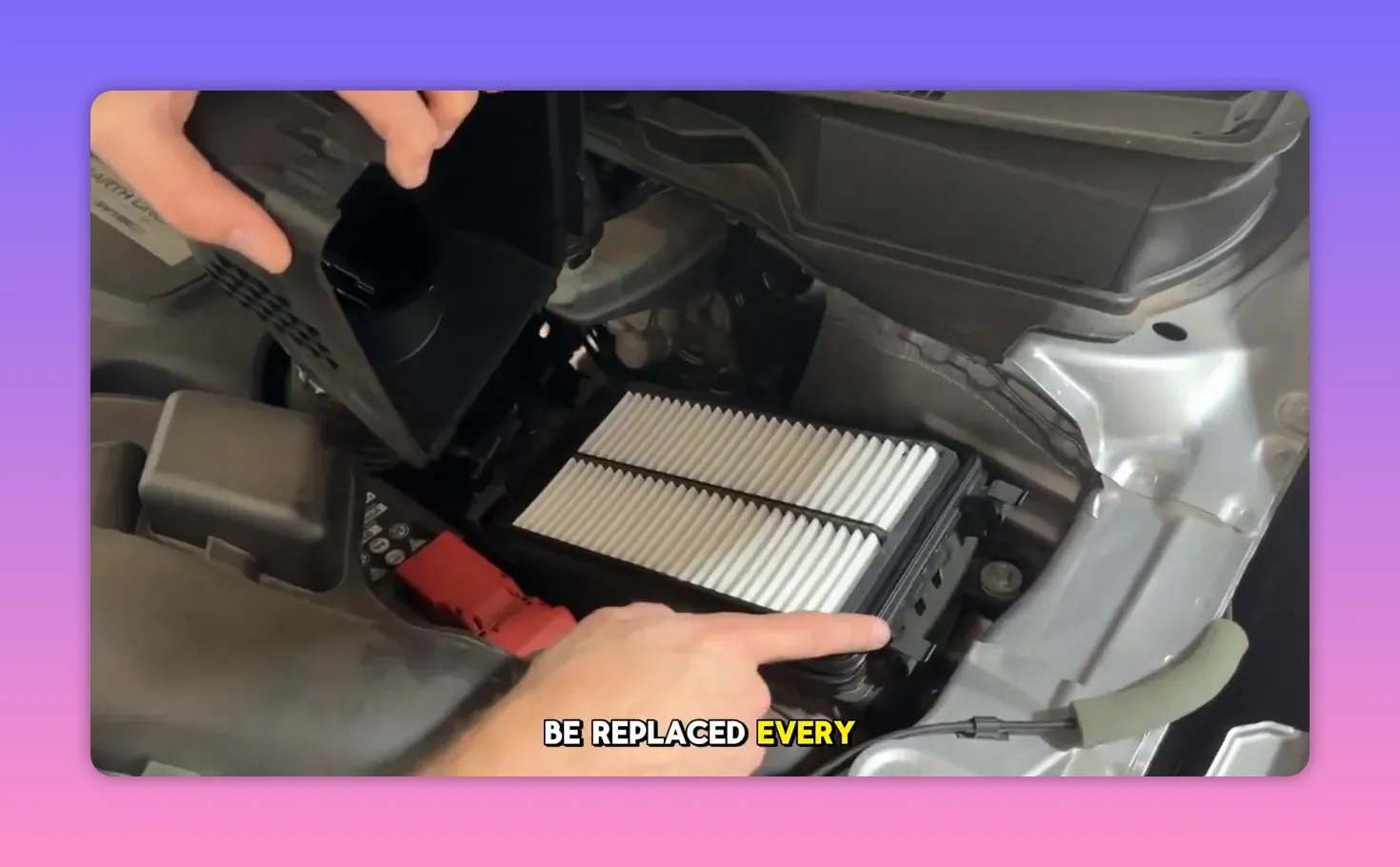
A clogged air filter chokes the engine and reduces the airflow needed for efficient combustion. Replacing the filter is one of the most cost-effective steps to maintain fuel economy.
What it does: Ensures unobstructed airflow into the engine.
Benefit: Improved combustion and consistent fuel economy. Recommended replacement interval is every 12,000 to 15,000 miles or sooner in dusty conditions.
Notes: A quick filter check is cheap and fast. High-flow reusable filters are an option but remember to maintain them correctly.
10. Calibrate Your Wheels
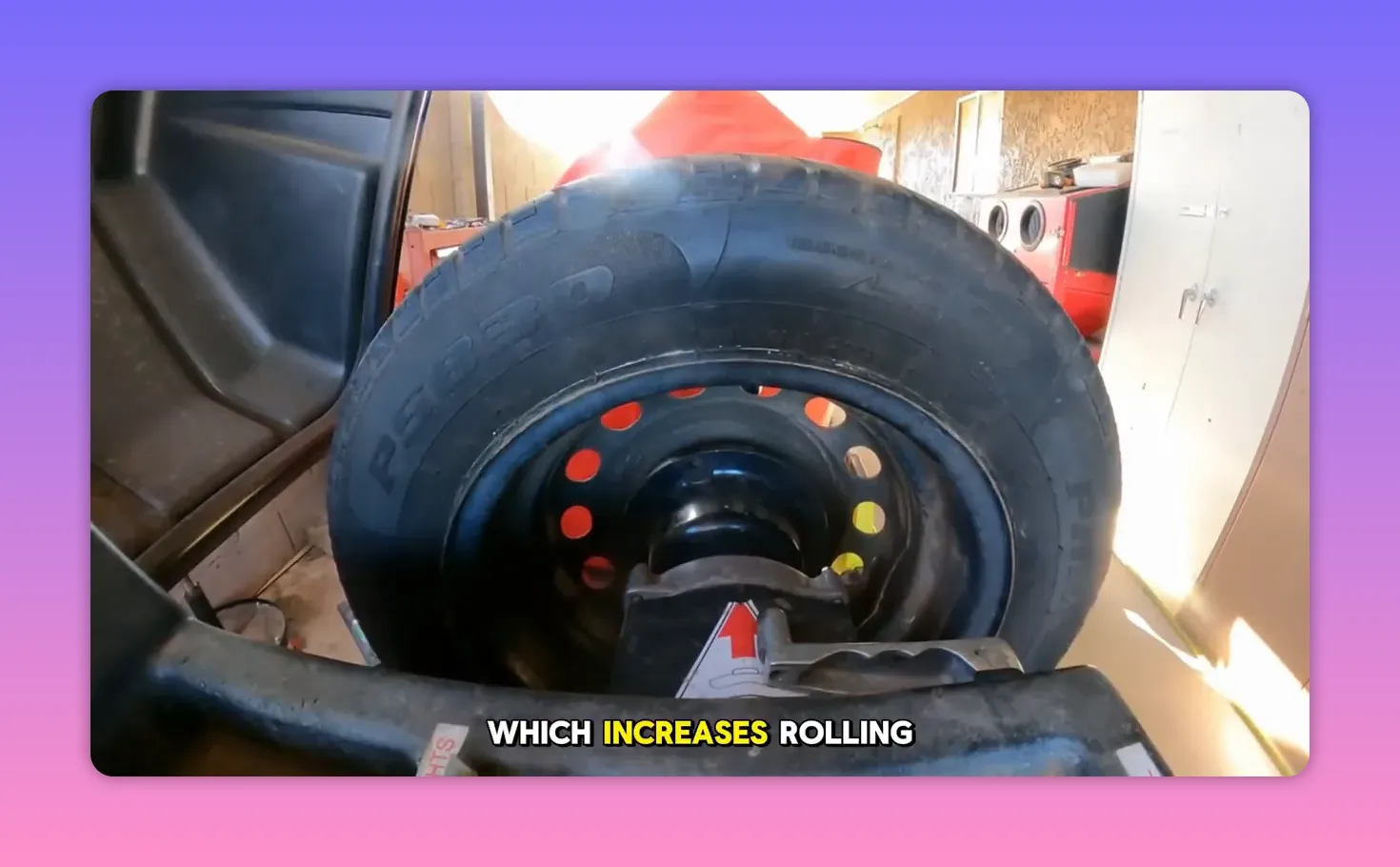
Wheel alignment affects more than handling. Misaligned wheels cause extra drag and uneven tire wear, increasing rolling resistance and fuel consumption.
What it does: Reduces drag and rolling resistance by ensuring proper alignment.
Benefit: Smoother driving and noticeable fuel savings. Get alignment checked every 12,000 miles or if the car pulls to one side.
Notes: Proper tire pressure and balanced tires complement alignment to maximize efficiency.
Quick Upgrade Checklist
- Easy and inexpensive: Replace air filter, swap to synthetic oil, check wheel alignment and tire pressure.
- Moderate investment: Performance air intake, upgraded spark plugs, exhaust improvements, fuel injectors.
- High-end: Lightweight flywheel, fuel management system, turbocharger or supercharger. Professional tuning recommended.
Final Thoughts
Small changes add up. Start with simple maintenance items like a clean air filter, synthetic oil, and proper wheel alignment, then choose upgrades that fit your budget and driving style. Whether you prefer DIY installs or professional upgrades, these targeted improvements can lower fuel consumption, improve performance, and extend engine life.
Small upgrades can yield big savings over time. Pick the right combination and you will notice the difference at the pump and behind the wheel.


