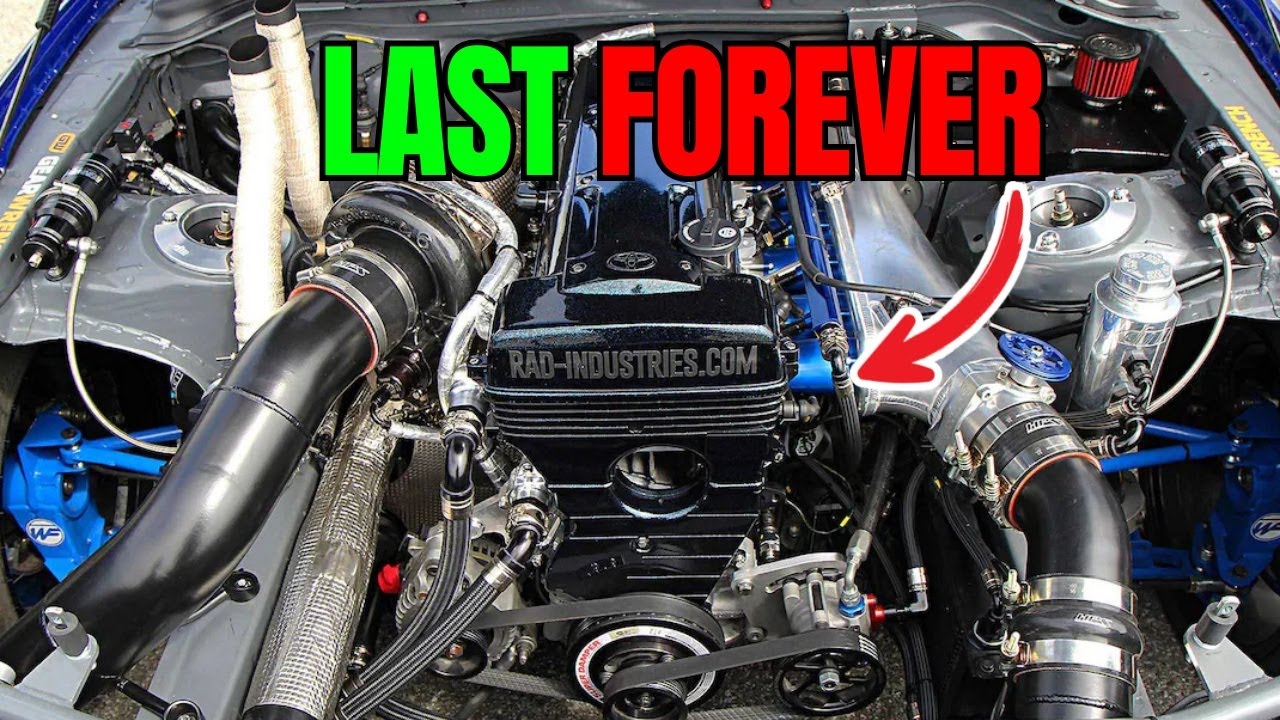
Inline six engines have earned a near-mythical reputation for durability. Their inherently balanced layout produces smooth power and low internal stress, and manufacturers often paired that geometry with heavy-duty blocks, simple valvetrains, and conservative tuning. The result: engines that routinely hit high-mileage milestones and keep going with basic care.
12. Volvo B230FT — The Swedish Turbo Brick
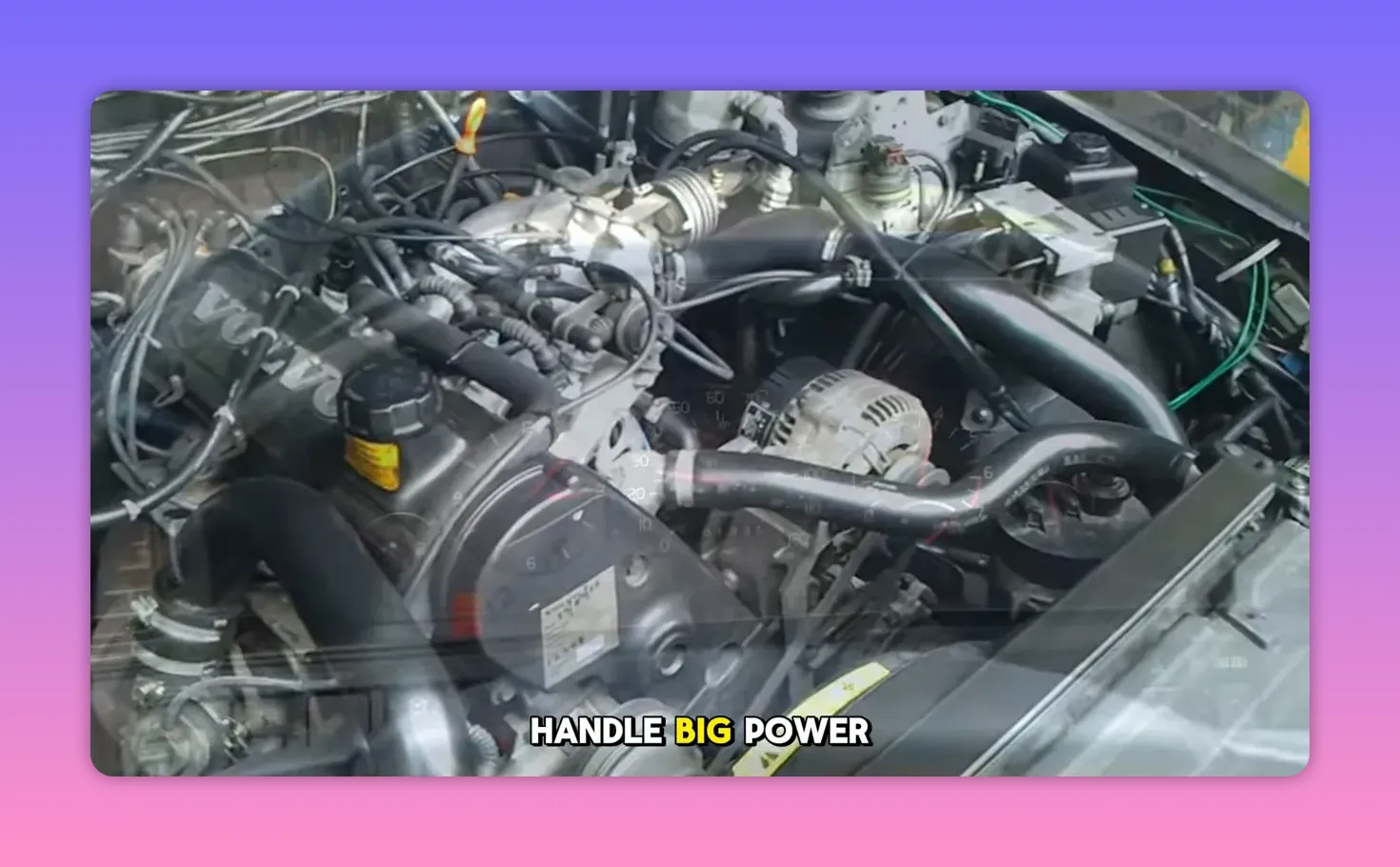
The B230FT is known for running well past 400,000 miles with minimal fuss. It combines a thick cast-iron block and forged internals with conservative turbocharging, so owners get durability without excessive stress.
- Why it lasts: overbuilt internals, forged crank and rods, bulletproof bottom end.
- Tuner bonus: can accept significant power increases with modest upgrades.
- Maintenance tip: monitor the PCV system and replace turbo oil return seals to avoid leaks and excessive crankcase pressure.
11. Ford Barra 4.0L — Australia’s Indestructible DOHC Six
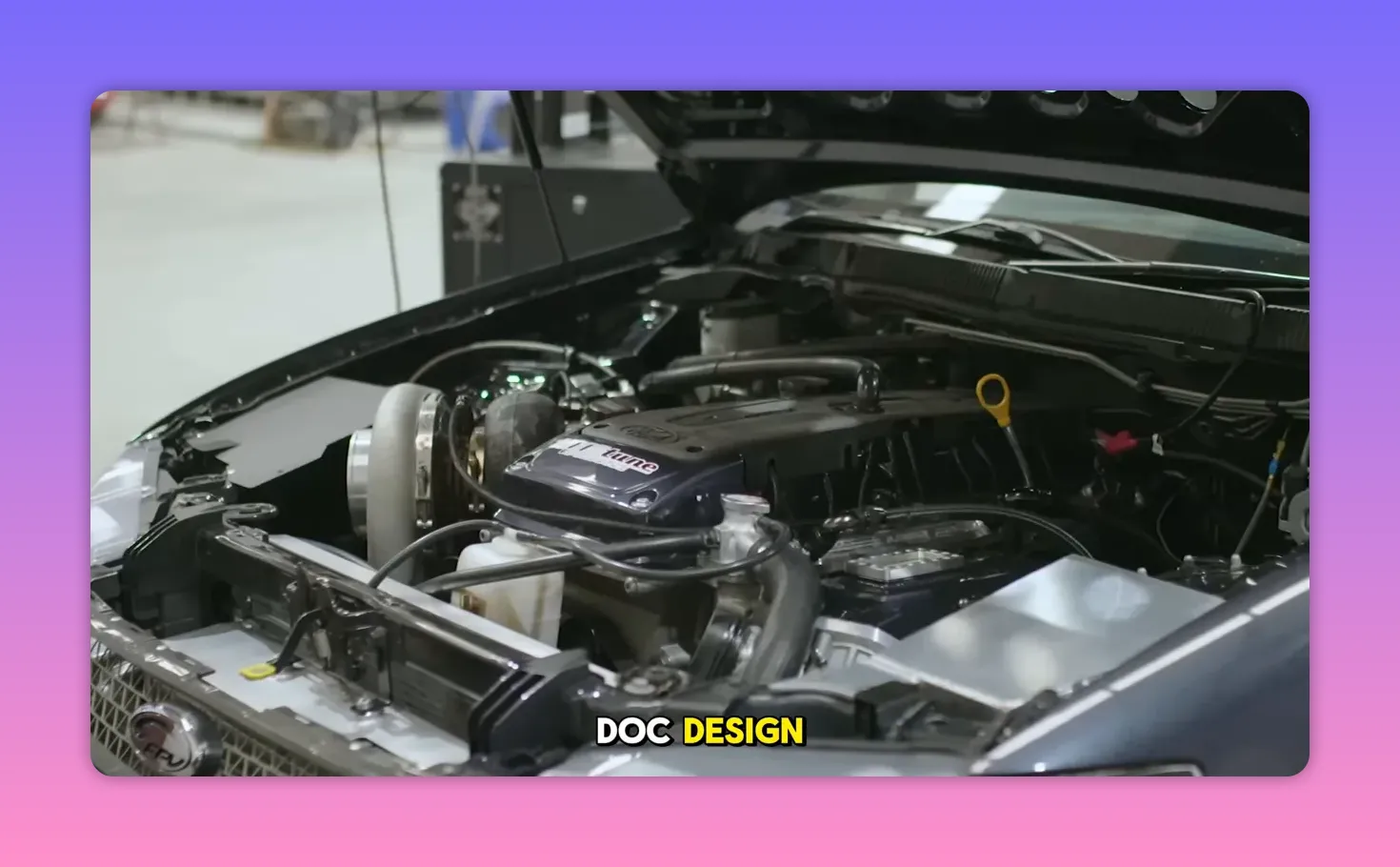
Built into Falcons from 2002 to 2016, the Barra 4.0L blends a stout cast-iron block with forged rods and a robust DOHC layout. Tuners famously push these beyond 1,000 horsepower on a stock bottom end, a testament to the design's strength.
- Why it lasts: strong internals, simple DOHC architecture, proven turbo variants.
- Maintenance tip: watch timing chains and valve cover gaskets and keep the cooling system in top shape—these engines run hot when stressed.
10. BMW M30B35 — The Bavarian Big Six
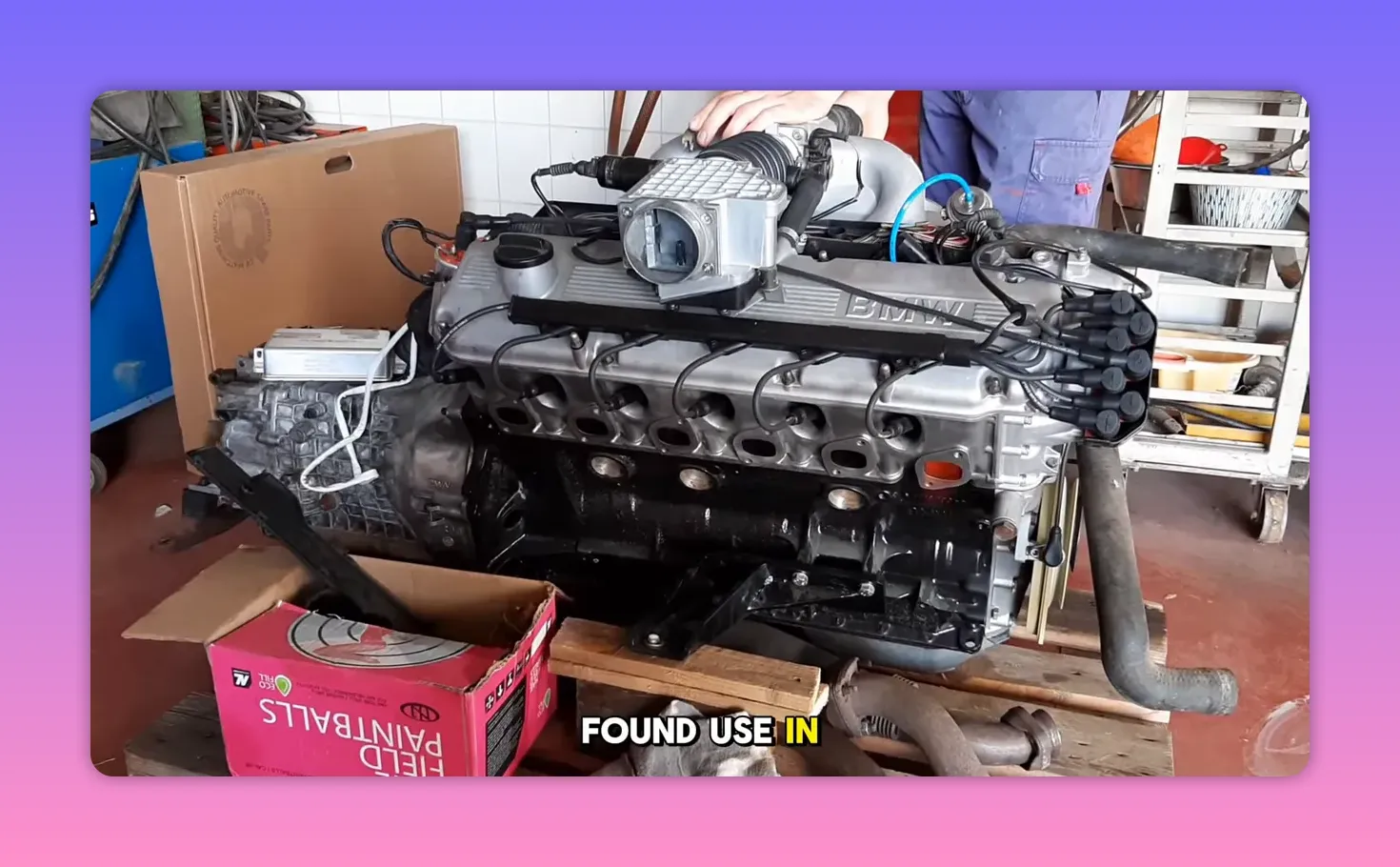
Produced from 1968 to 1994, the M30 series is one of BMW’s longest-running sixes. A cast-iron block, seven main bearings, and a timing chain instead of a belt make this engine exceptionally durable for high-mileage use.
- Why it lasts: over-engineered cylinder walls and bottom end, timing chain longevity, simple valve train.
- Maintenance tip: keep an eye on the timing chain tensioner and valve cover oil leaks; regular valve adjustments extend life.
9. Mercedes M103 / M104 — Taxi-Proven Toughness
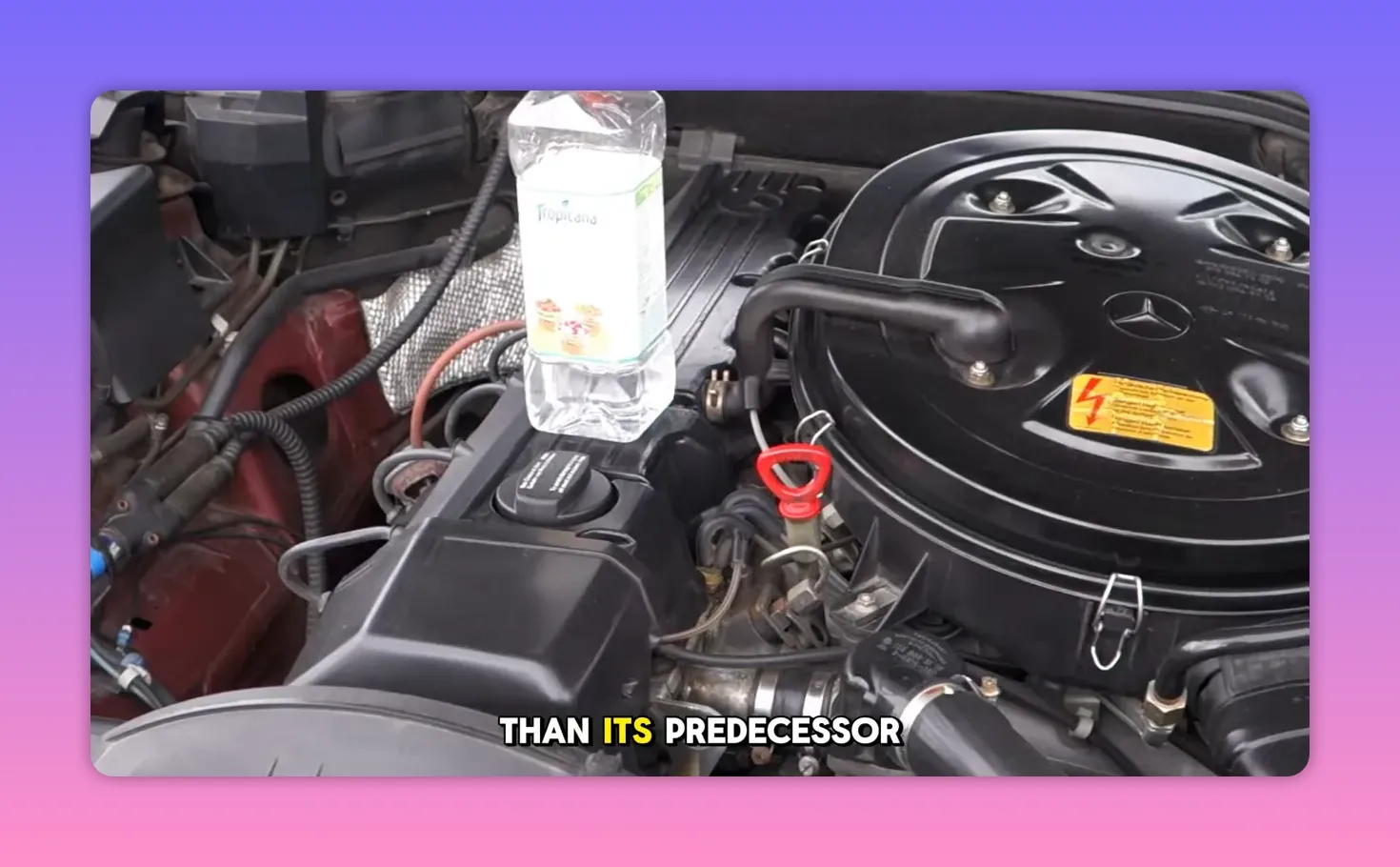
Used extensively in taxis and fleet cars across Europe, the M103 and its DOHC successor the M104 are built for endurance. They frequently surpass 300,000 miles thanks to conservative tuning and a balanced inline-six layout.
- Why it lasts: low-stress operation, robust bottom end, improved head gasket designs on later models.
- Maintenance tip: watch for head gasket and front cover oil leaks; use high-quality synthetic oil for long-term health.
8. Toyota 1HD-T 4.2L Diesel — The Global Survival Engine
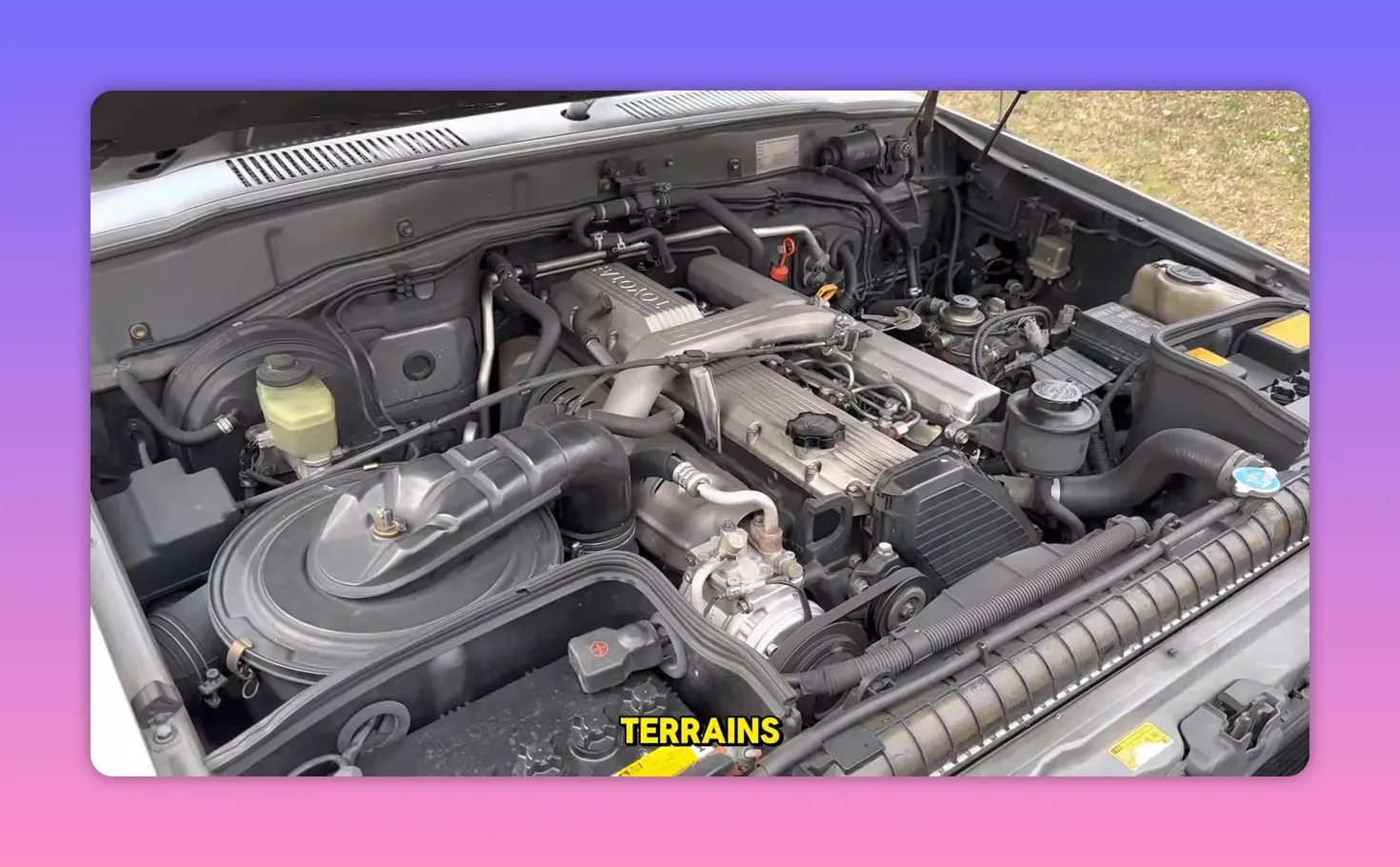
This mechanical-injection diesel is a favorite in Land Cruisers for work in remote, harsh environments. Its simple injection system tolerates low-quality fuel, and examples regularly exceed 500,000 miles.
- Why it lasts: cast-iron block, simple mechanical fuel injection, designed for high torque and low RPM grunt.
- Maintenance tip: change fuel filters frequently in dusty areas and periodically check turbo oil seals.
7. Jeep / AMC 4.0L — Off-Road Indestructible
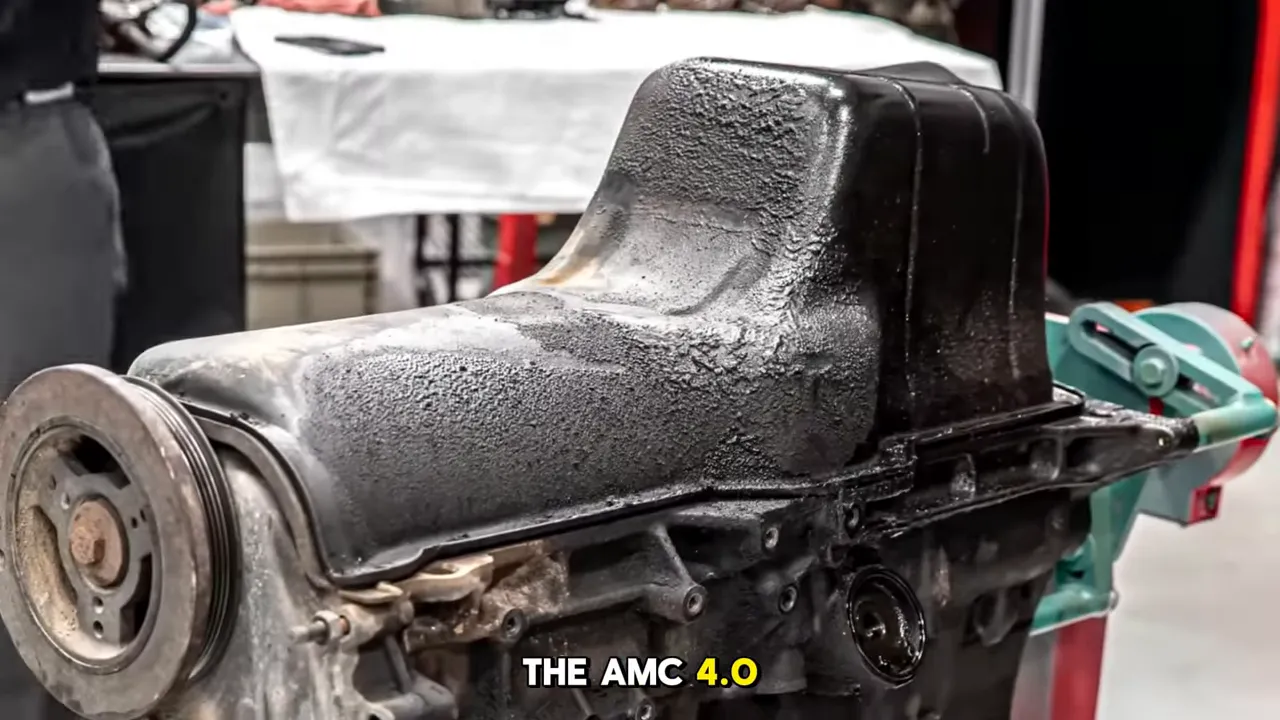
The AMC 4.0L powered Jeeps from the late 1980s into the 2000s. Its pushrod simplicity and abundance of low-end torque make it ideal for rock crawling and overland use, with many examples surpassing 500,000 miles.
- Why it lasts: simple pushrod design with fewer failure points, strong torque curve for heavy-duty use.
- Maintenance tip: prioritize cooling system care—these engines can overheat—and watch for rear main seal leaks.
6. Toyota 1FZ-FE 4.5L — The Ultimate Overland Six
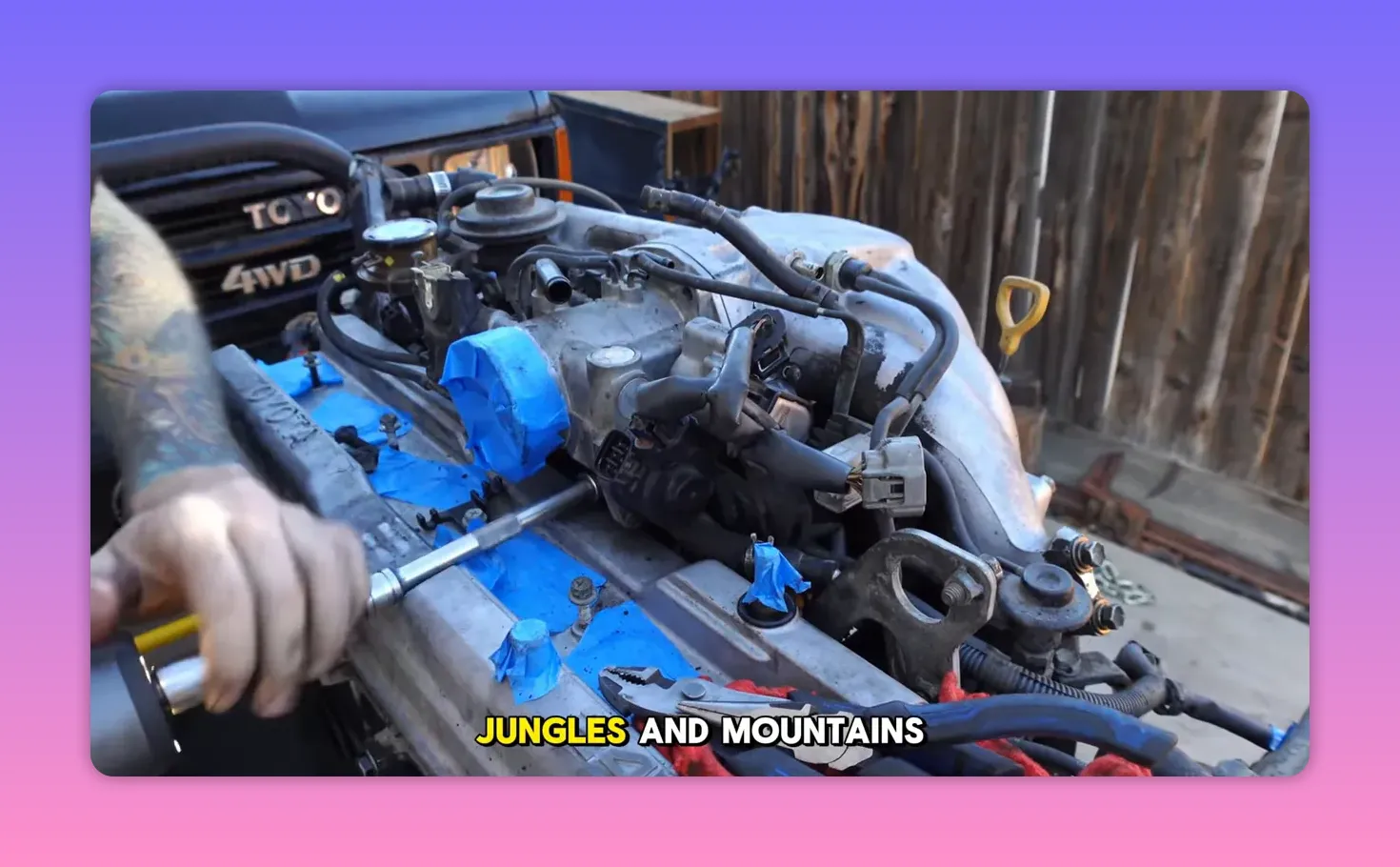
The 1FZ-FE is another Toyota legend among expedition builders. It uses a timing chain, has a conservative low-stress design, and is commonly found powering long-range Land Cruisers in the toughest conditions.
- Why it lasts: thick cast-iron block, smooth power delivery, minimal electronics to fail.
- Maintenance tip: regular oil changes and cooling system flushes keep these engines running for decades.
5. Chrysler Slant Six — Detroit’s Bulletproof Workhorse
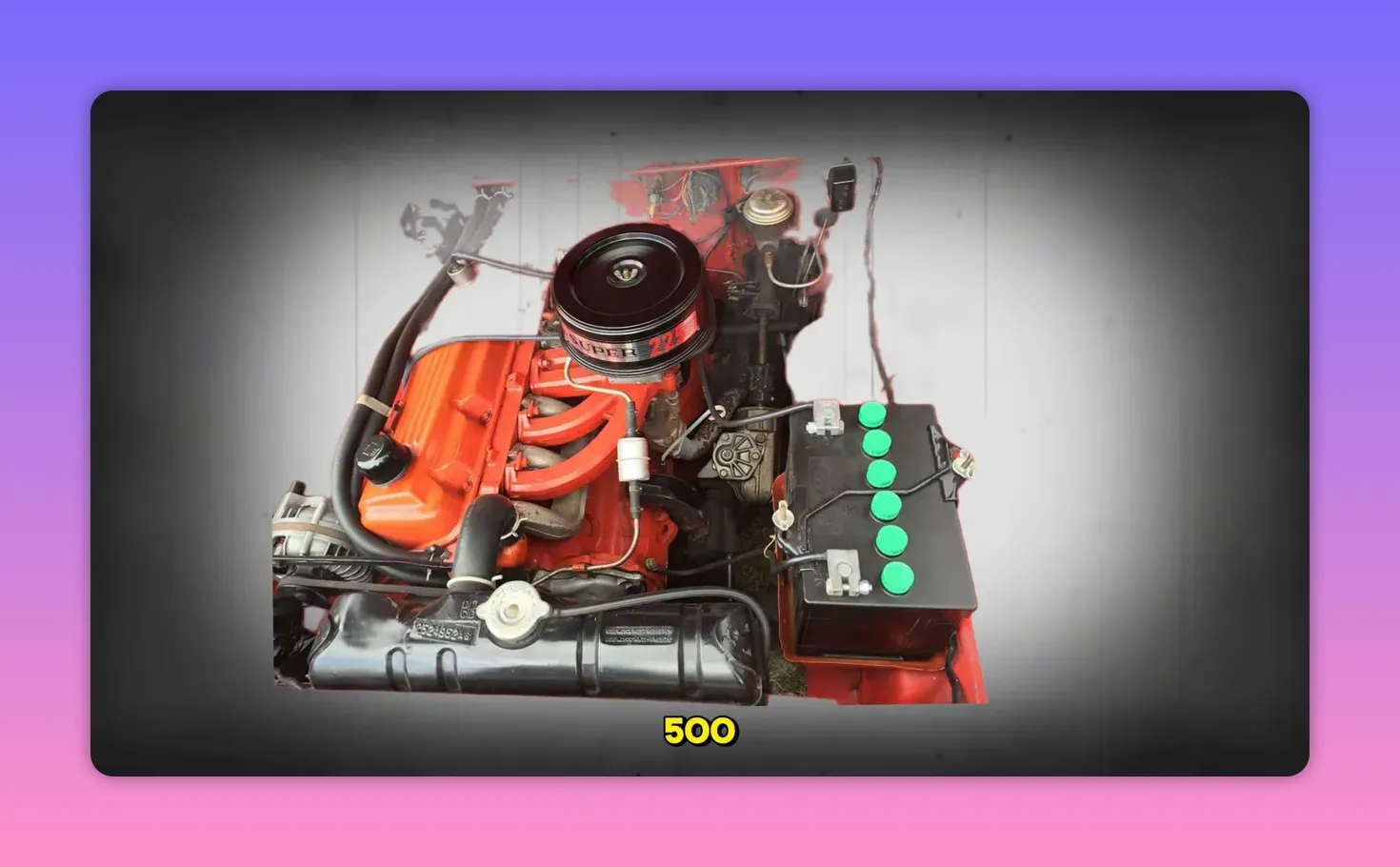
The Slant Six found its way into cars, trucks, boats, and industrial equipment. Its extremely simple and over-engineered construction regularly sees mileages north of 500,000 with basic maintenance.
- Why it lasts: rugged iron block and straightforward design with easy field repairs.
- Maintenance tip: on carbureted examples keep the carburetor clean for smooth operation.
4. Ford 300 (4.9L) — The Million-Mile Workhorse
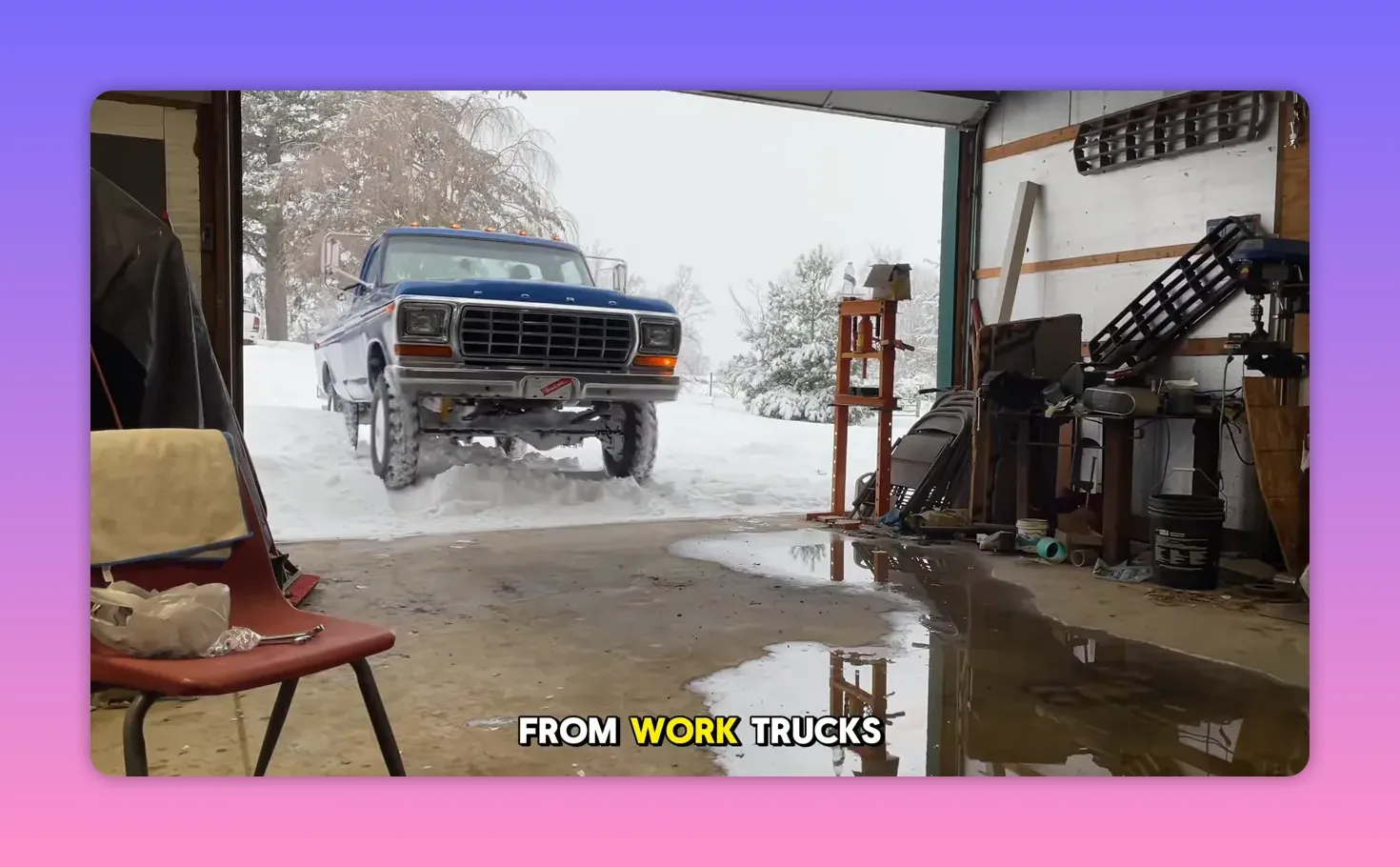
The Ford 300 inline-six powered F-Series trucks and industrial applications for decades. With seven main bearings and a cast-iron block, it was built for severe duty and often surpasses 700,000 miles.
- Why it lasts: heavy-duty bottom end, minimal electronics, conservative engineering.
- Maintenance tip: watch for intake manifold leaks as the engine ages and keep routine service up to date.
3. Nissan RB26DETT — Skyline GTR’s Immortal Twin-Turbo
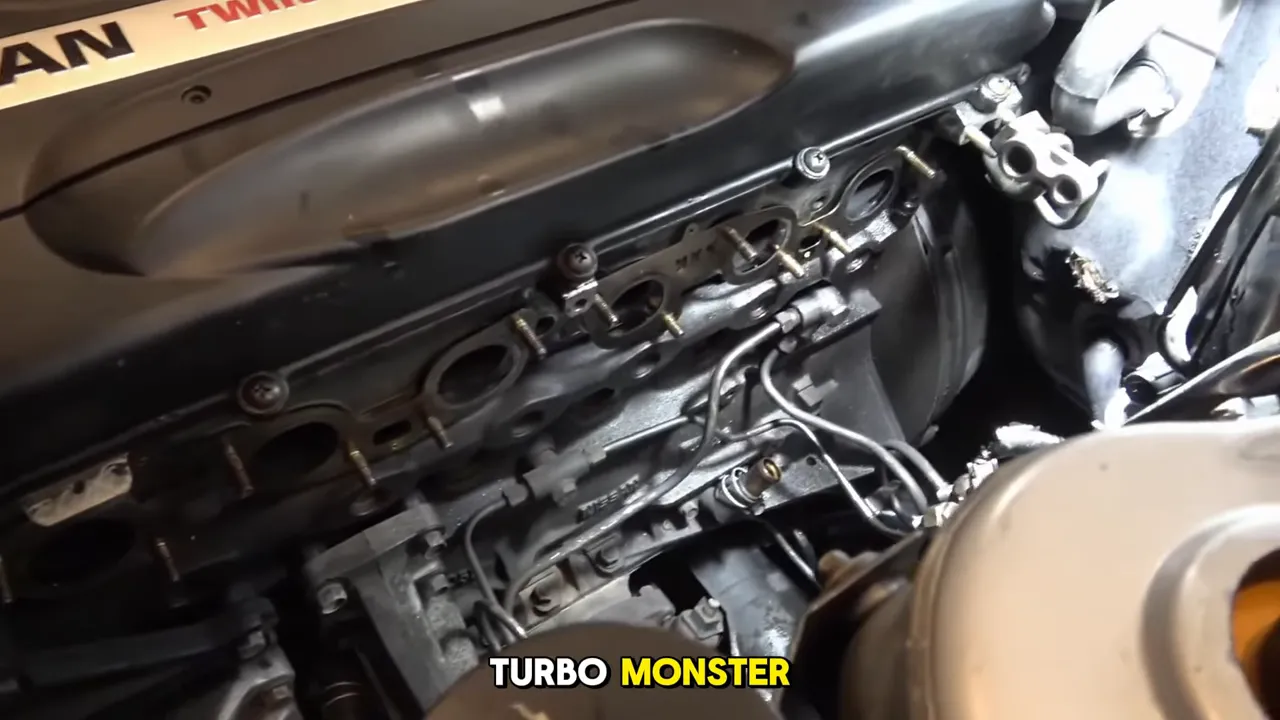
The RB26DETT combines robust internals with twin turbochargers and responds well to sensible upgrades. Properly maintained examples continue to be legends for both longevity and performance.
- Why it lasts: strong block and internals, performance-oriented yet durable engineering.
- Maintenance tip: maintain cooling and oil systems carefully under boosted use.
2. Cummins 6BT 5.9L — The Million-Mile King
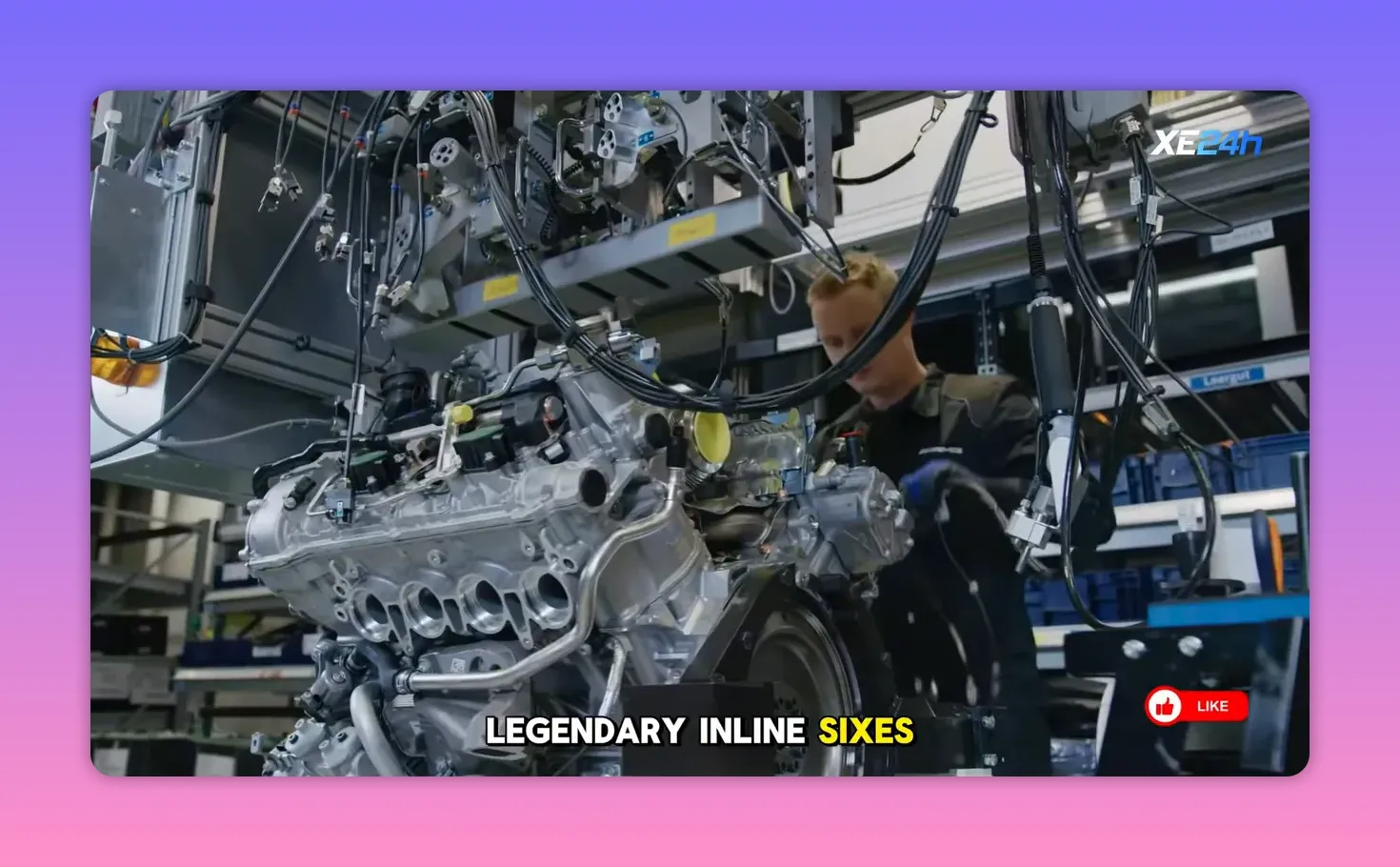
The industrial roots of the 6BT diesel show in its longevity. Simple fuel systems, a strong cast-iron block, and conservative tuning make it a favorite for heavy-duty trucking and hard service.
- Why it lasts: industrial-strength construction, straightforward mechanical systems.
- Maintenance tip: diesel fuel and oil service intervals, plus turbo and injection care, are essential for extreme longevity.
1. Toyota 2JZ-GTE — The Indestructible Turbo Titan
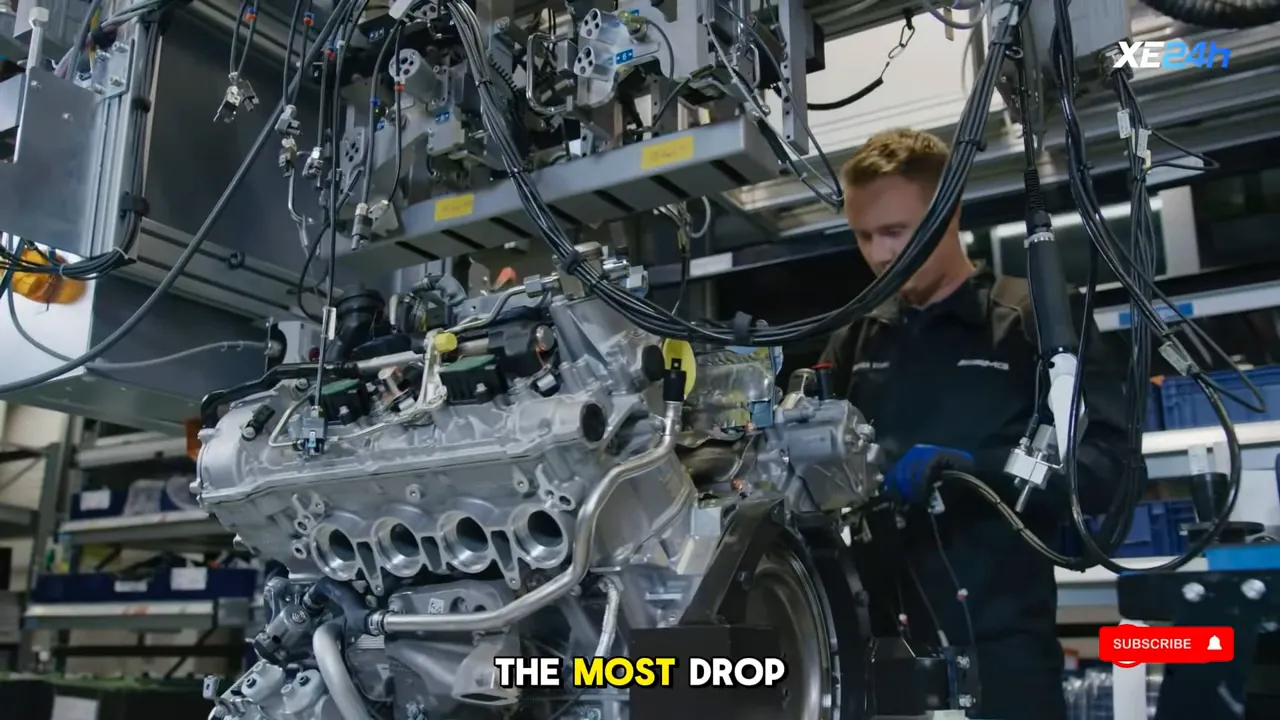
The 2JZ-GTE tops many lists for a reason. Its iron block, robust internals, and conservative factory tuning make it a favorite for both high-mileage reliability and enormous tuning potential. It can last for hundreds of thousands of miles and accepts very high power when built properly.
- Why it lasts: iron-block strength, engineered for durability, huge aftermarket support.
- Maintenance tip: regular oil changes, attention to cooling, and careful boost management keep the 2JZ alive for the long haul.
What these engines teach us
Across continents and decades, the common threads are conservative engineering, heavy-duty materials, and simplicity. Cast-iron blocks, timing chains, fewer electronics, and low-stress factory tuning consistently produce engines that outlast their peers.
Key takeaways:
- Design matters: inline six geometry naturally reduces vibration and wear.
- Materials matter: cast-iron blocks and forged internals extend life under stress.
- Care matters: routine maintenance—oil, cooling, fuel filtration, and seals—turns durable engines into million-mile engines.
Which inline-six would you build into a project or trust for a decades-long road trip? The list above covers workhorses, diesel survivors, and tuner legends—each one a proven example of longevity when treated right.


