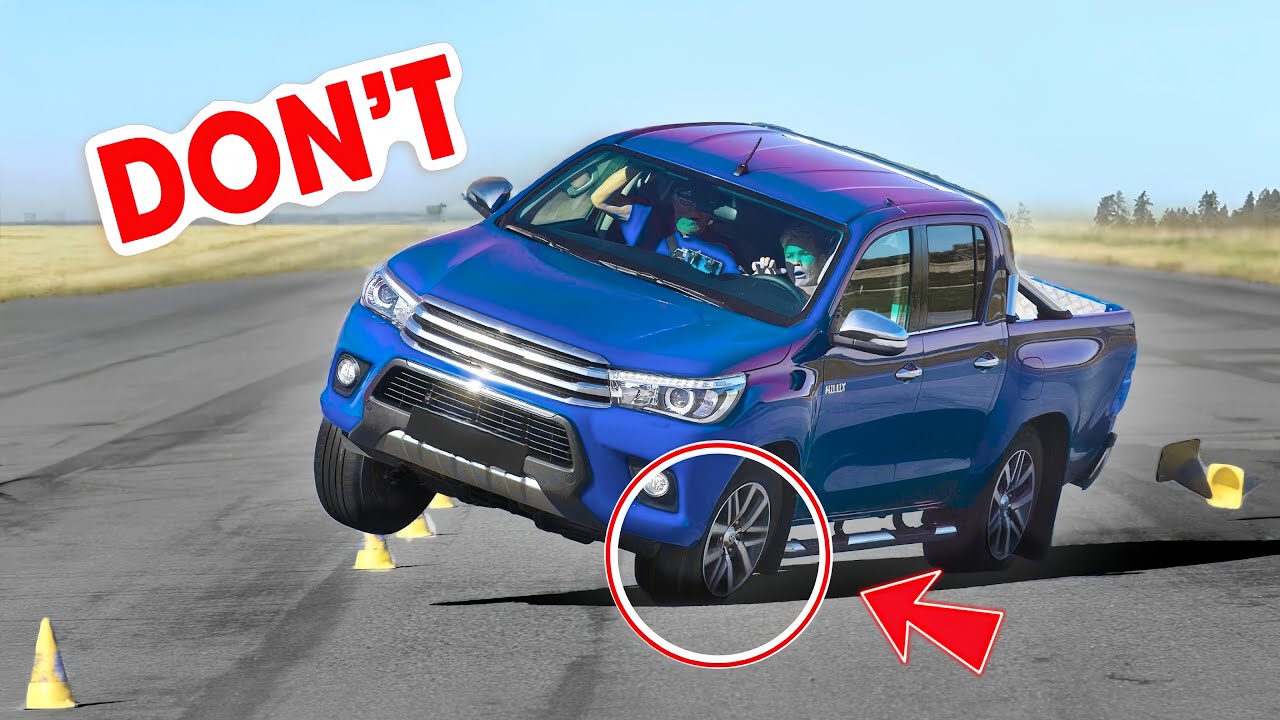
Every time you drive, your life depends on features you probably didn't even know exist.
Modern cars are packed with safety systems that quietly reduce crashes, limit injuries, and sometimes take control when humans fail. Most drivers rely on seat belts and airbags, then ignore a long list of features built specifically to prevent the crash in the first place. Below I walk through the most overlooked systems, how they work, and simple steps to make sure they are active and helping keep you and your family safe.
How to use these systems
Think of these features as teammates, not replacements for your attention. Learn what each one does, check your settings, and use them as part of a layered safety approach. Small adjustments like proper mirror alignment, cleaning cameras, and checking tire pressure regularly make a huge difference.
Top overlooked safety features and why they matter
1. Blind Spot Monitoring
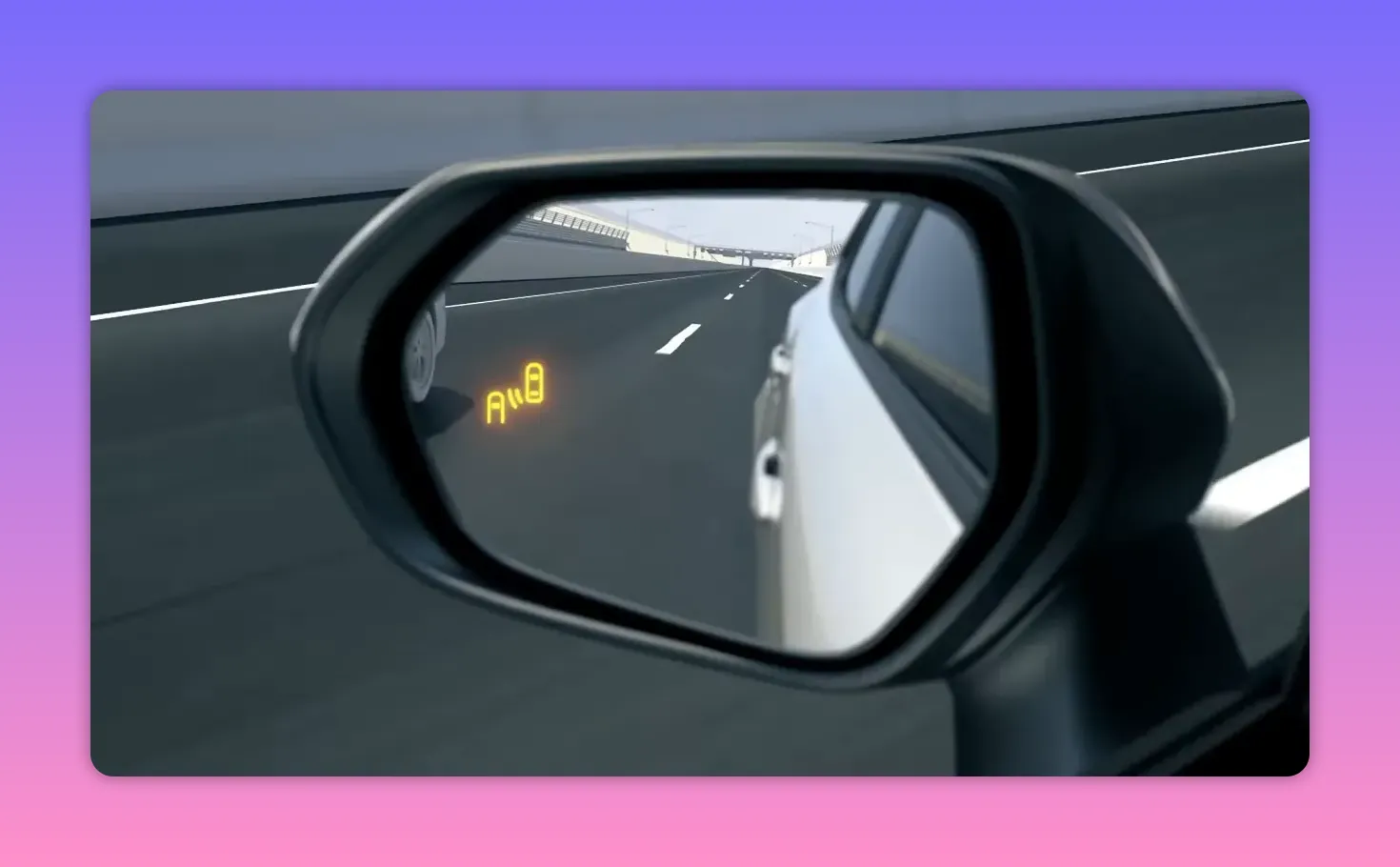
Blind spot monitoring uses radar to detect vehicles in zones your mirrors miss. The Insurance Institute for Highway Safety reports that it reduces lane change crashes by about 14 percent. Most systems provide visual alerts on the mirror or dashboard and some add an audible tone.
Pro tip: Adjust your side mirrors properly first, then treat the blind spot alert as a secondary check rather than the only check.
2. Rear Cross Traffic Alert
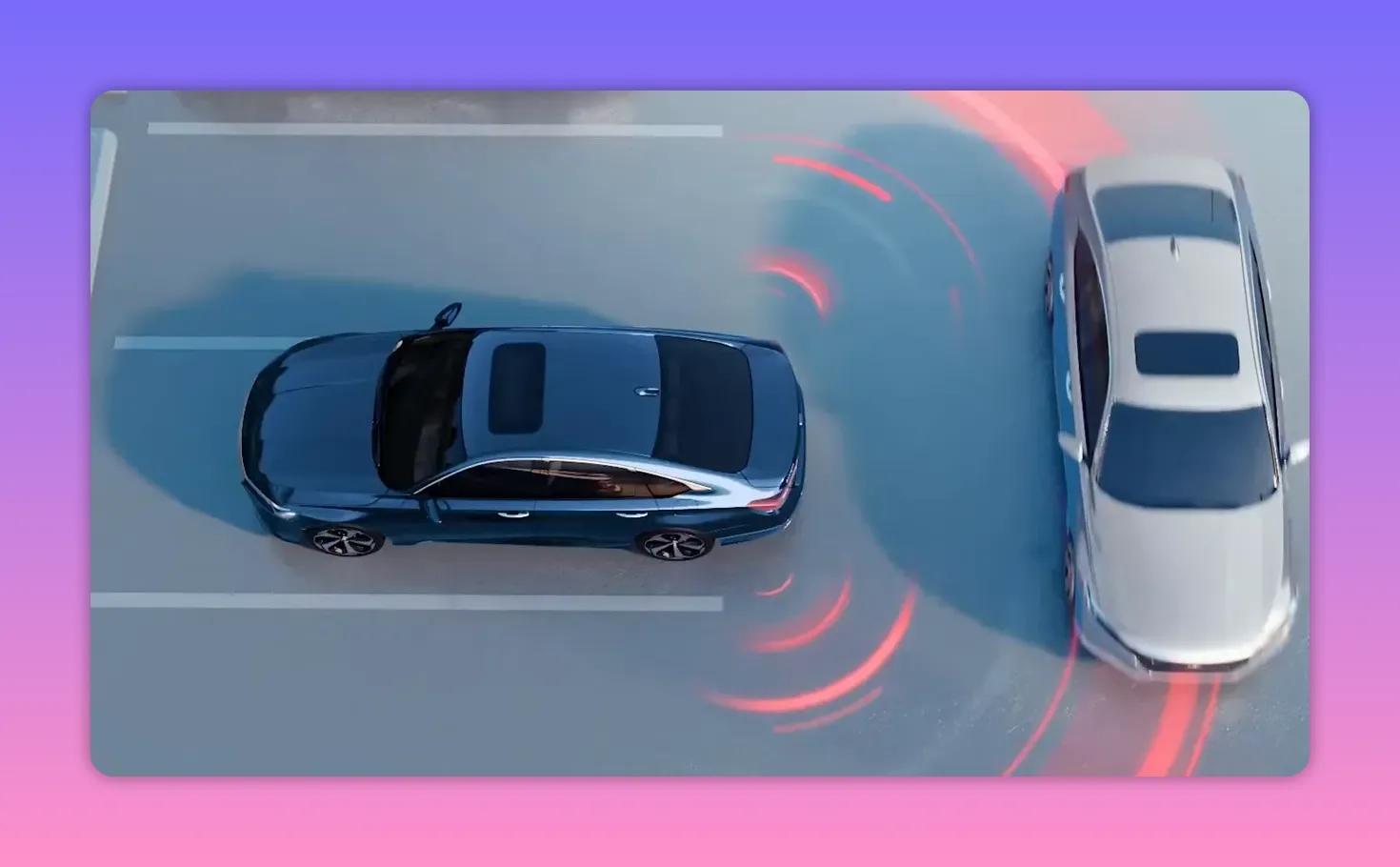
Backing out of parking spaces is surprisingly risky. Rear Cross Traffic Alert scans side-to-side movement so you can see approaching cars or pedestrians you cannot. A University of Michigan study found this feature prevented up to 22 percent of parking lot collisions. It is especially valuable when a large vehicle blocks your view.
3. Brake Assist
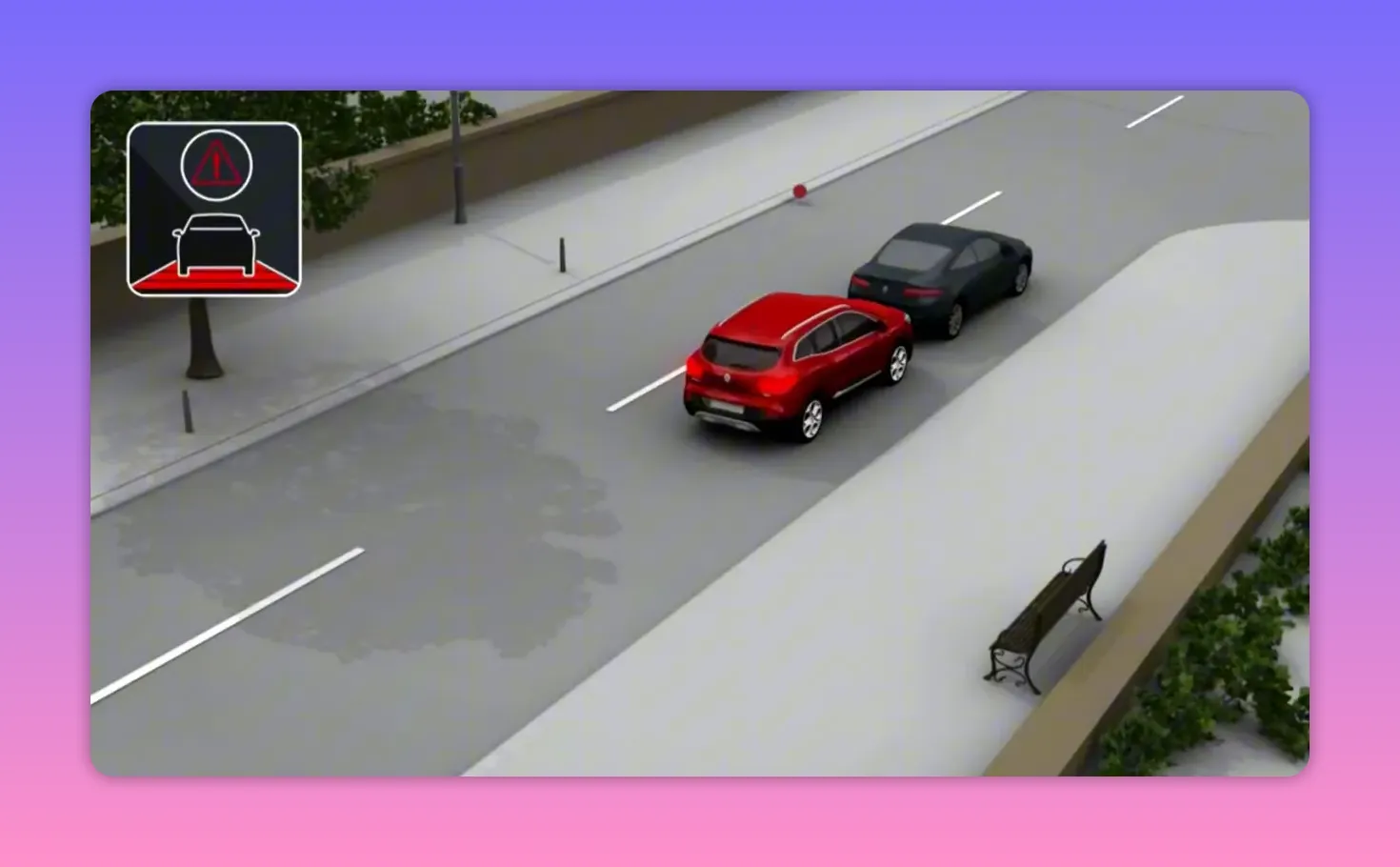
In panic stops many drivers fail to press the brake hard enough, fast enough. Brake assist senses emergency braking and boosts hydraulic pressure instantly, helping you stop sooner. If your car was made after 2005 there is a good chance brake assist is active. Check the owner's manual to confirm.
4. Tire Pressure Monitoring System (TPMS)
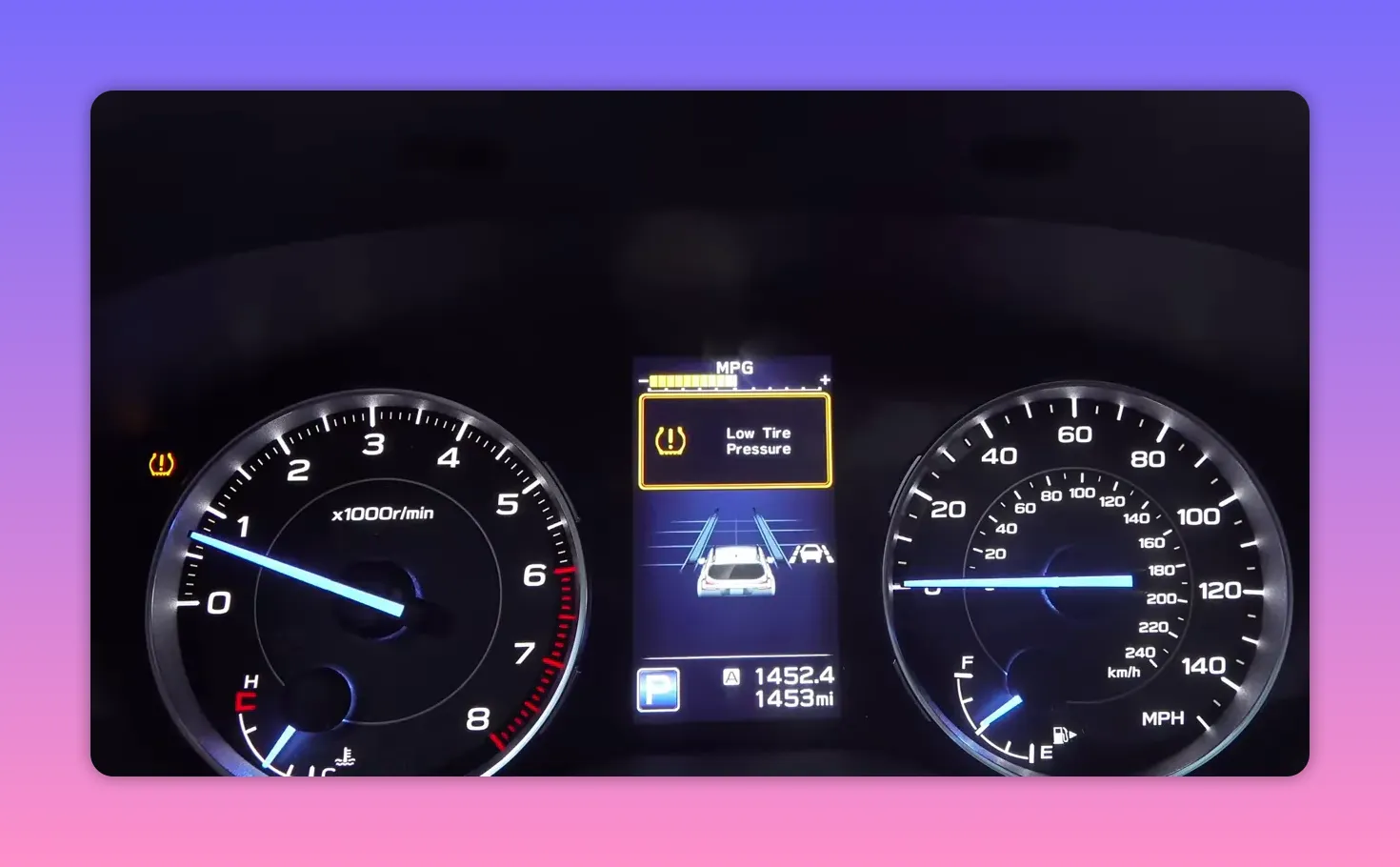
That yellow tire icon should never become background noise. Low tire pressure increases blowout risk, worsens handling, and reduces fuel economy. Even 5 psi low can add roughly 10 feet to your stopping distance. Reset TPMS after inflating tires and still check pressure manually every two weeks.
5. Lane Departure Warning and Lane Keep Assist
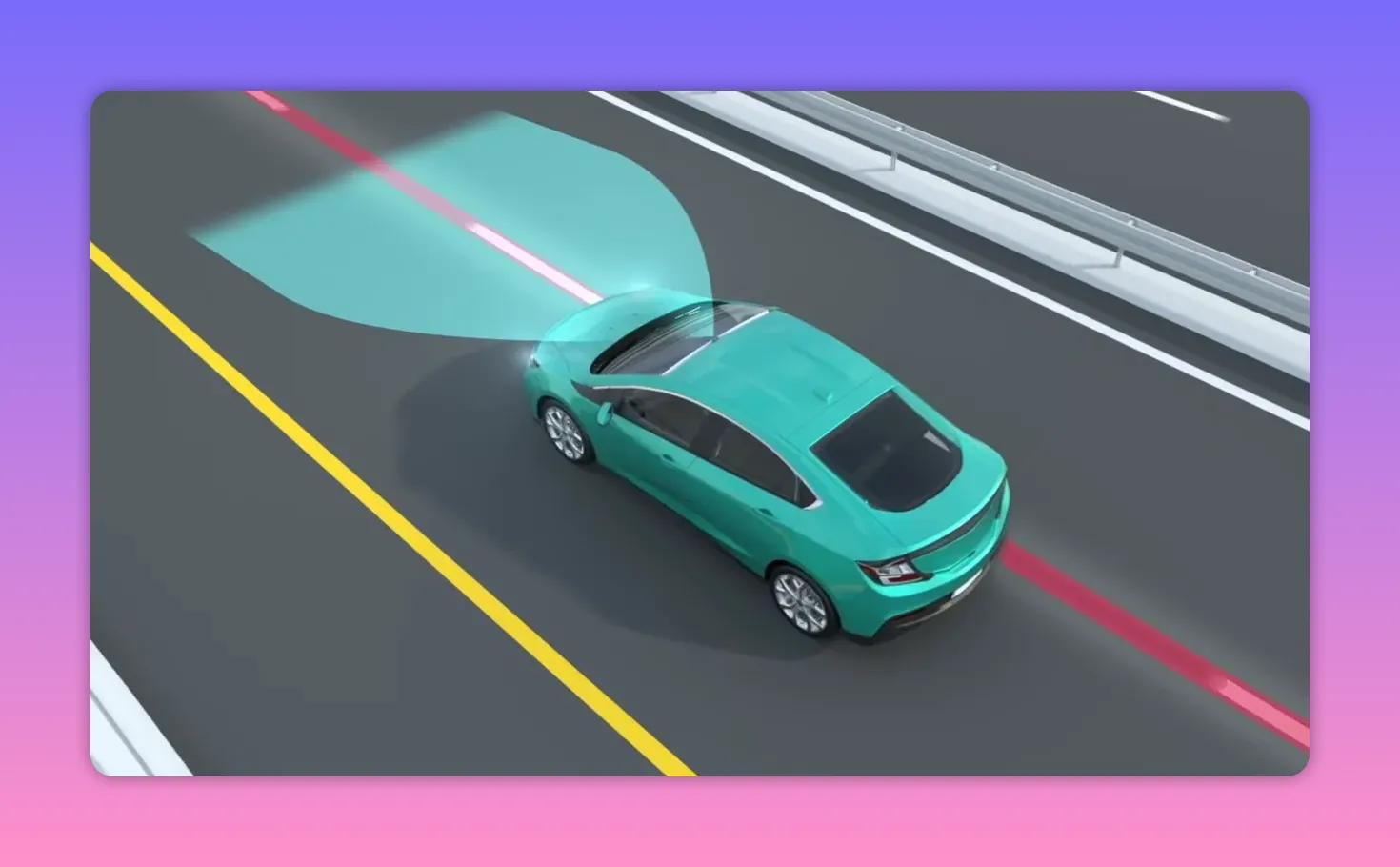
Lane Departure Warning alerts you if you drift unintentionally, often with a beep or steering vibration. Paired with Lane Keep Assist, some cars will nudge you back into lane. These systems can be lifesaving when you are drowsy, but they rely on clean cameras and undamaged windshields. Keep sensors and the windshield around the camera area clean.
6. Electronic Stability Control (ESC)

ESC brakes individual wheels to help a vehicle go where the driver is steering during skids or slippery conditions. NHTSA data shows ESC cuts the risk of fatal single vehicle crashes in SUVs by about 49 percent. It became mandatory on new cars sold in the United States after 2012. Do not disable it thinking it hinders performance unless you know exactly why.
7. Adaptive Headlights
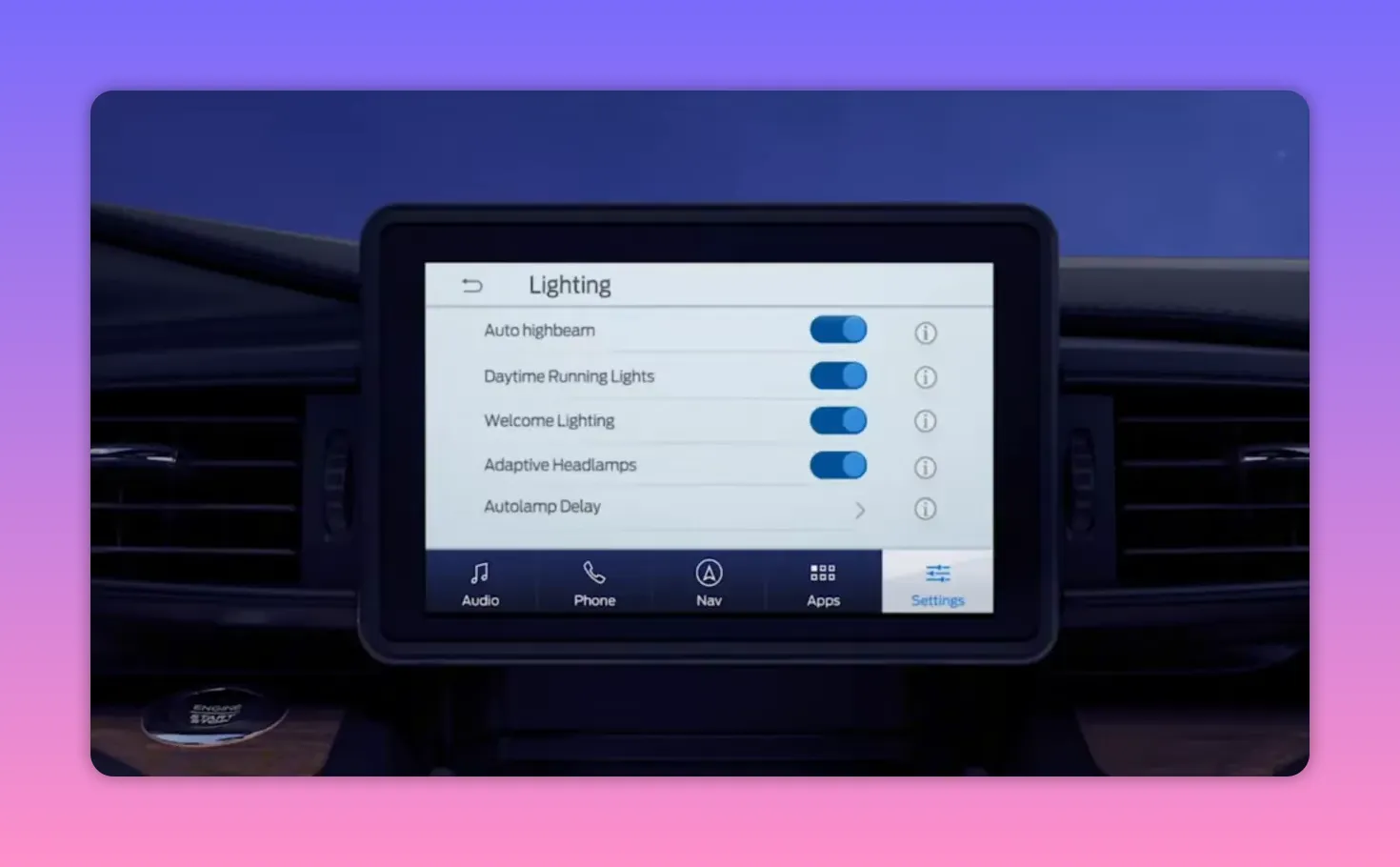
Adaptive headlights pivot with steering to light the road around curves, not just straight ahead. European studies show drivers with adaptive lighting have roughly 30 percent better visibility on twisty roads at night. If your settings have this option turned off, enable it to improve nighttime safety.
8. Automatic Emergency Braking (AEB)
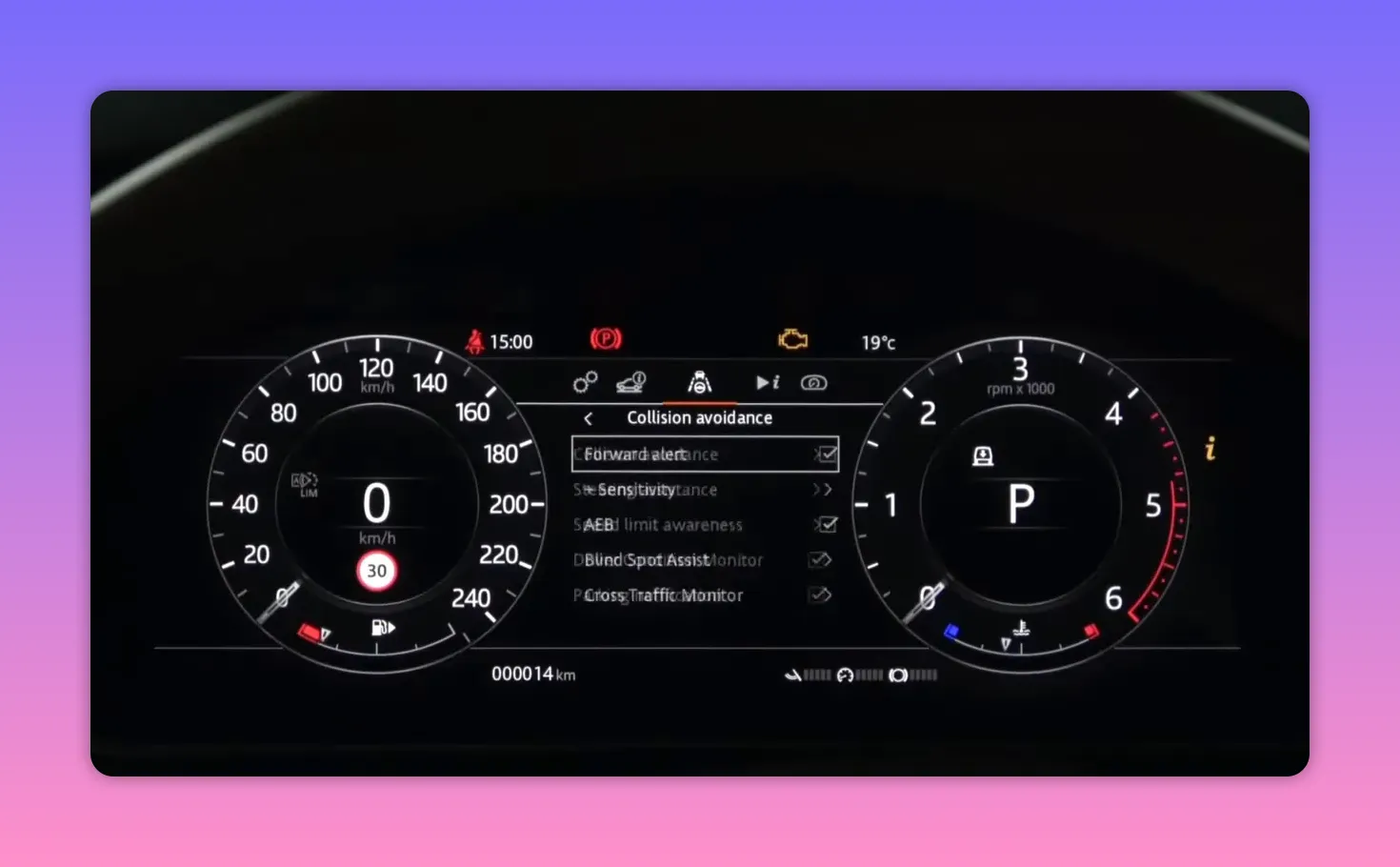
AEB uses forward-facing sensors to detect imminent collisions and apply the brakes if the driver does not react in time. Research indicates AEB prevents around 50 percent of low-speed rear-end crashes. With distractions such as phones reducing human reaction times, AEB is the backup that never blinks.
9. Rear Seat Reminder
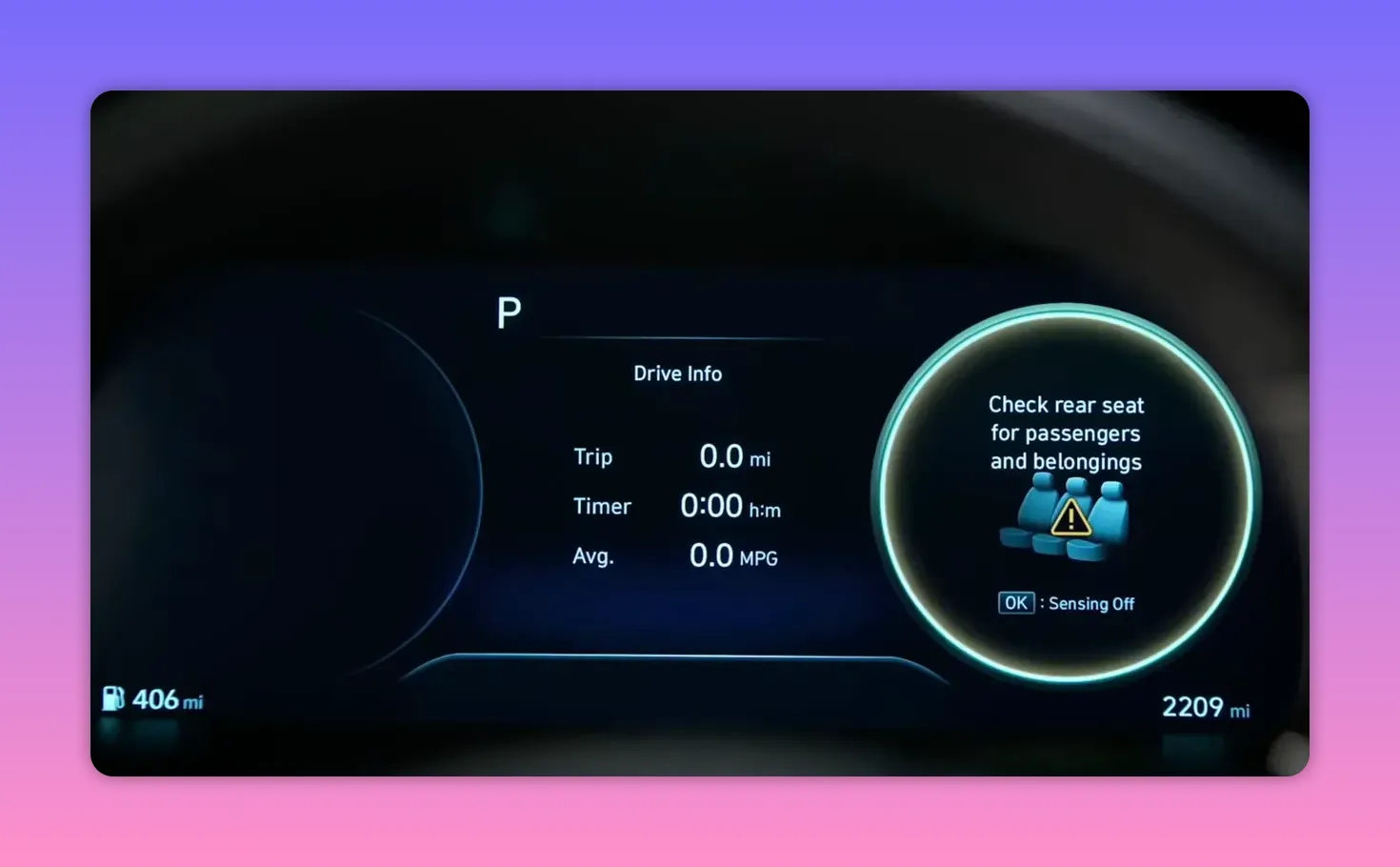
Simple but critical. Rear Seat Reminders detect if a rear door was opened before a trip and remind you to check the backseat after you park. This feature was created to prevent tragic hot car deaths. Over 900 children have died in hot cars in the U.S. during the last 25 years. A reminder system is a small, proven change that saves lives.
10. High Beam Assist
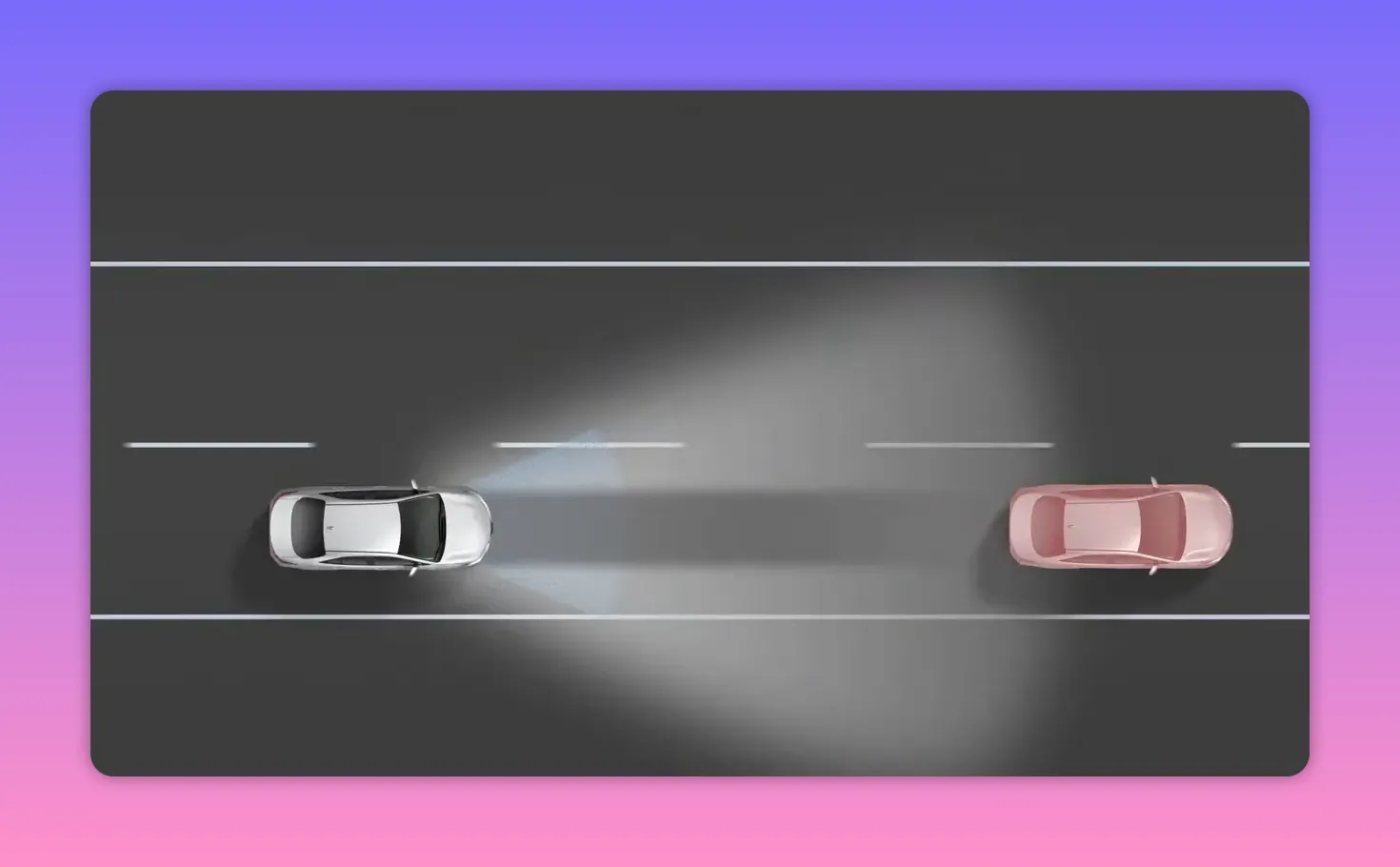
High Beam Assist automatically dims and raises high beams when it detects oncoming or preceding vehicles, giving you better vision without blinding other drivers. It is often buried in headlight settings, so enable it in your infotainment system.
11. Post-Collision Braking
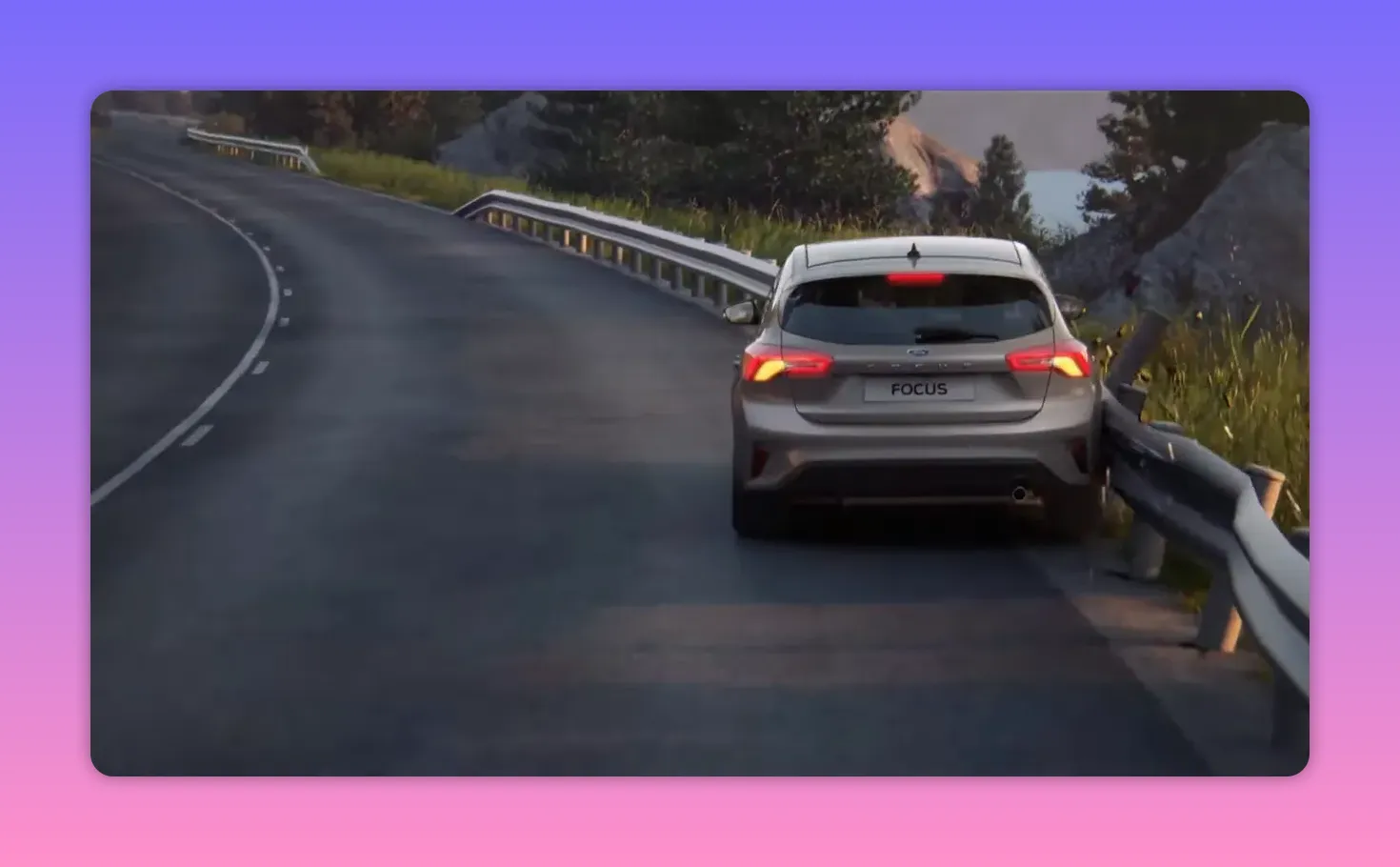
Crashes are not always over when the initial impact ends. Post-collision braking detects an impact and holds or applies the brakes to reduce secondary collisions, like rolling into traffic or another object. Several manufacturers, including Ford, Volkswagen, and BMW, include this feature to protect passengers after a crash.
12. Driver Attention Monitoring
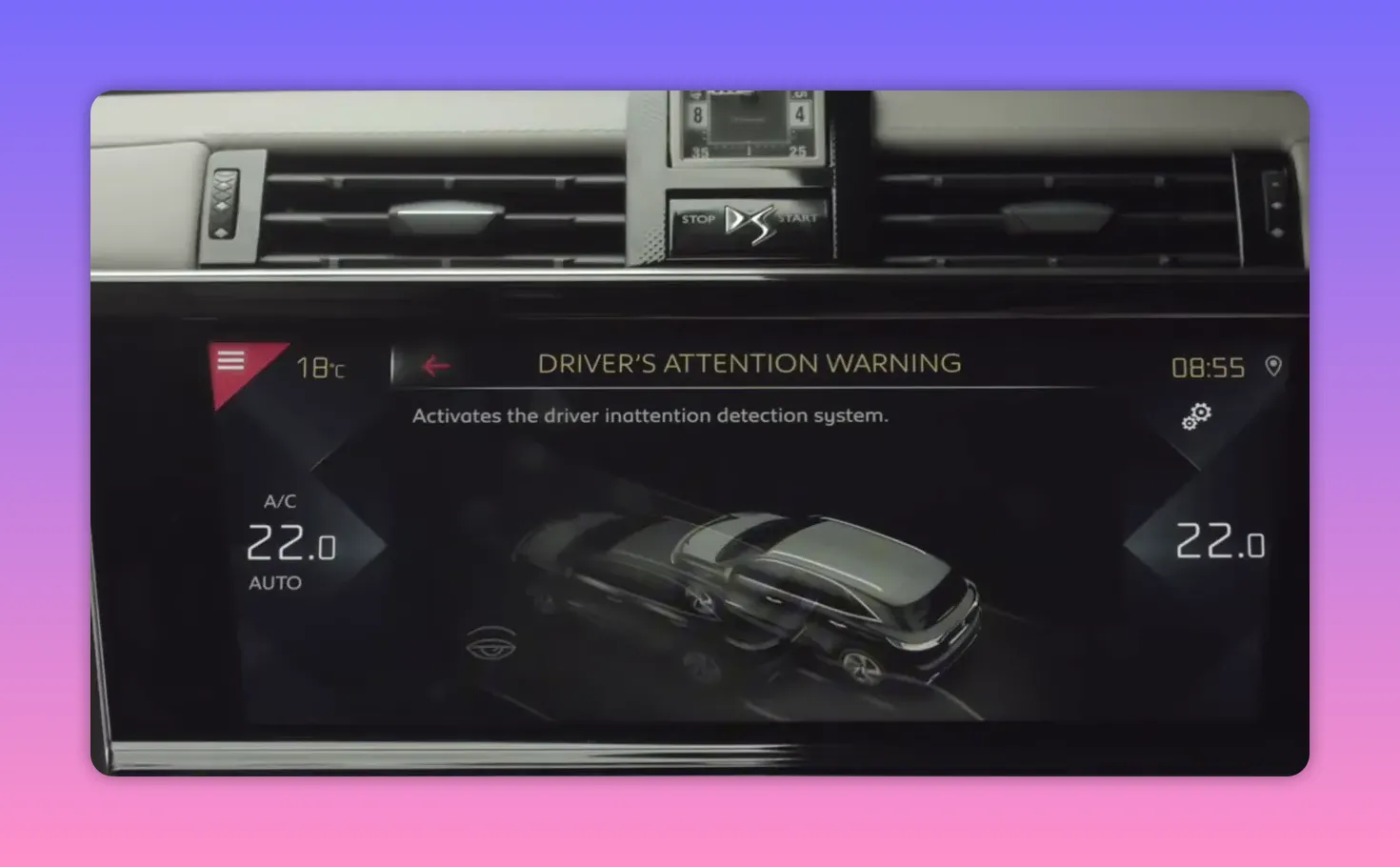
Often called the anti-zombie alert, driver attention monitoring evaluates steering inputs, lane position, and in some models facial cues. When it senses drowsiness or distraction it alerts the driver, sometimes with a coffee cup icon or chime. Think of it as a co-pilot that notices when your focus drifts.
13. Adaptive or Smart Cruise Control
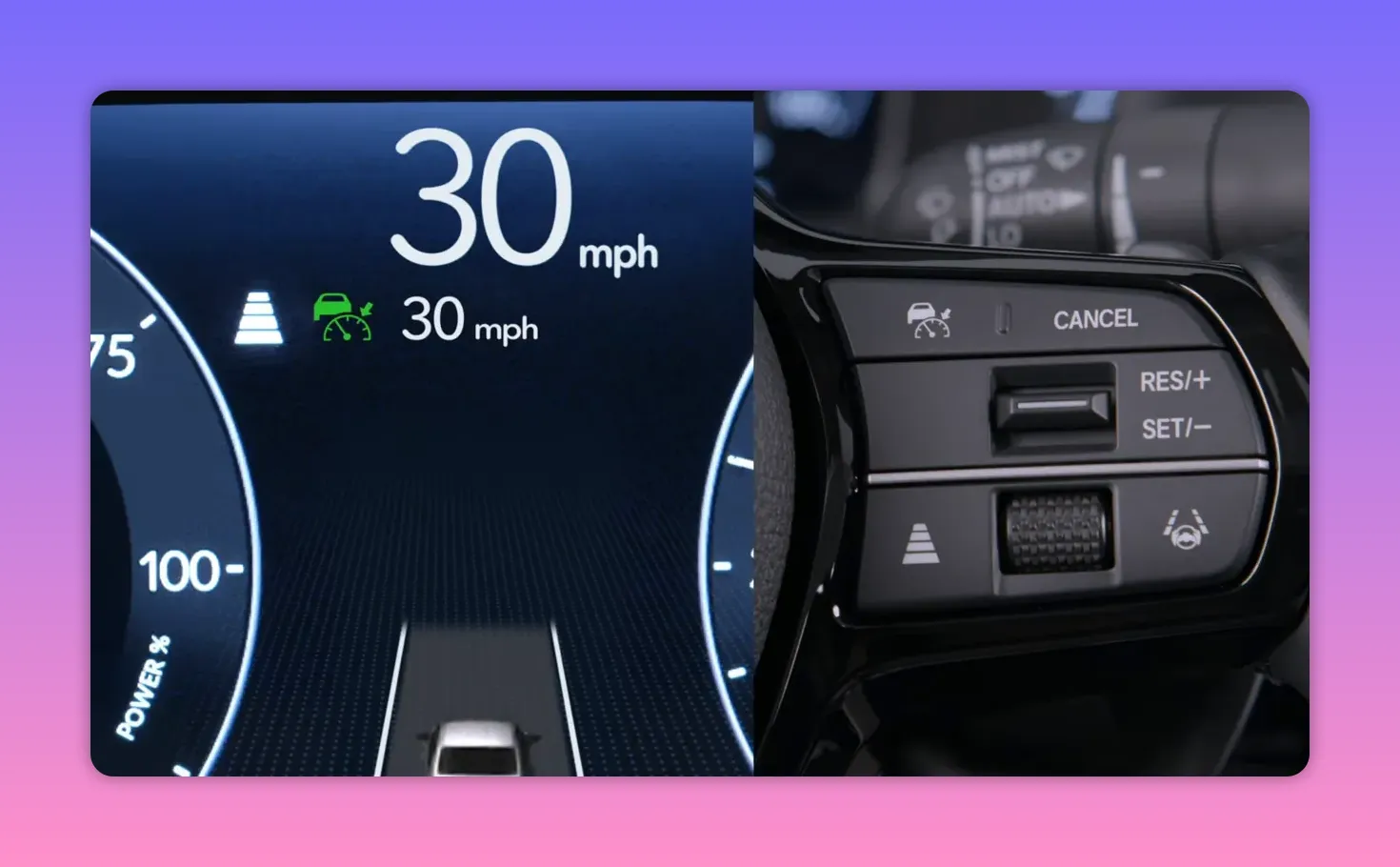
Adaptive cruise maintains a set following distance and can bring the car to a complete stop and resume in traffic. On long highway drives it reduces fatigue and keeps traffic flow smoother, which helps prevent collisions caused by sudden braking or human inconsistency.
14. Emergency SOS Systems
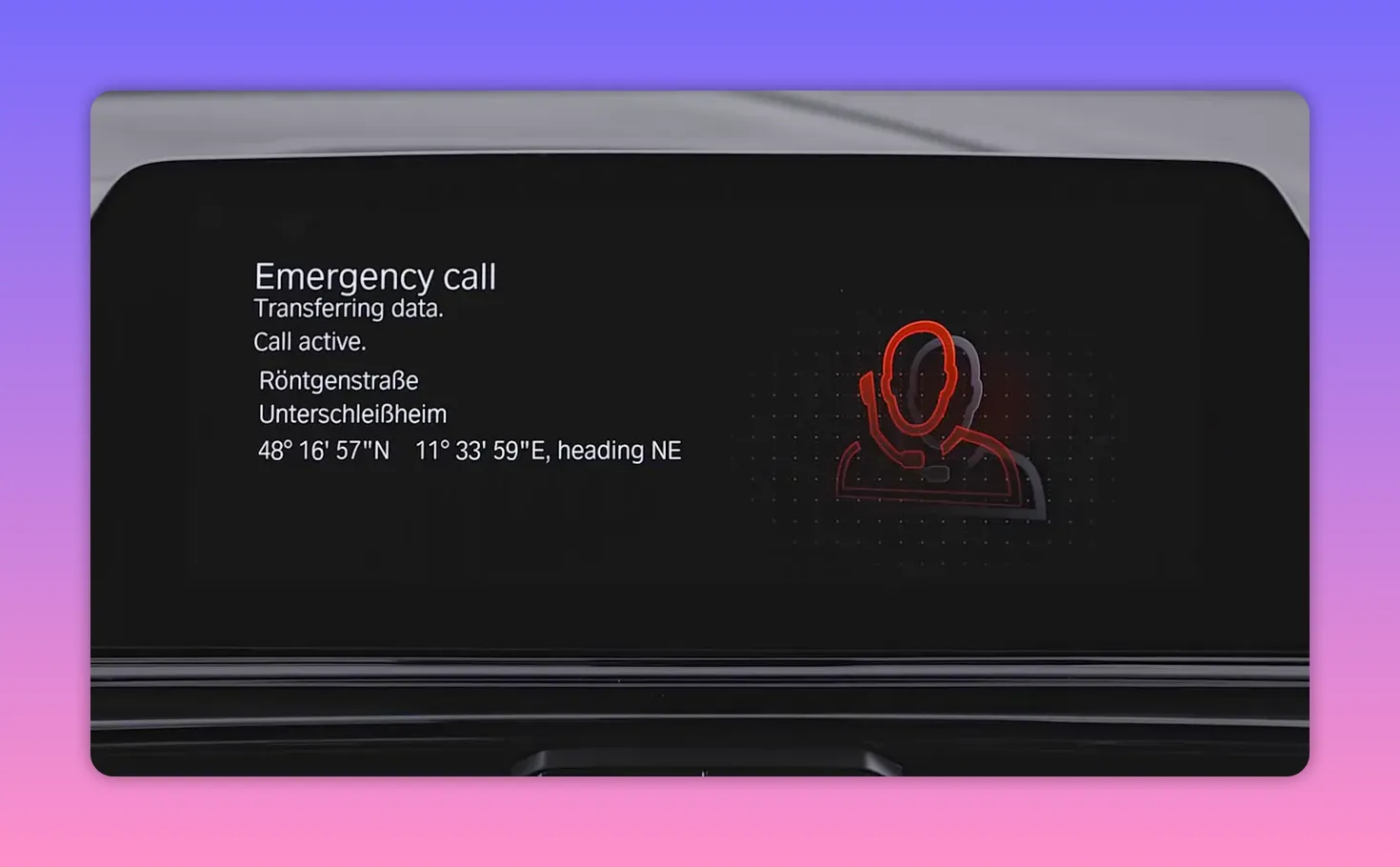
Systems like OnStar, BMW Assist, and Ford Sync detect airbag deployment or allow manual SOS calls and transmit your location to emergency services. That can be critical when seconds count and your phone is out of reach or you cannot speak.
15. Reverse Automatic Braking
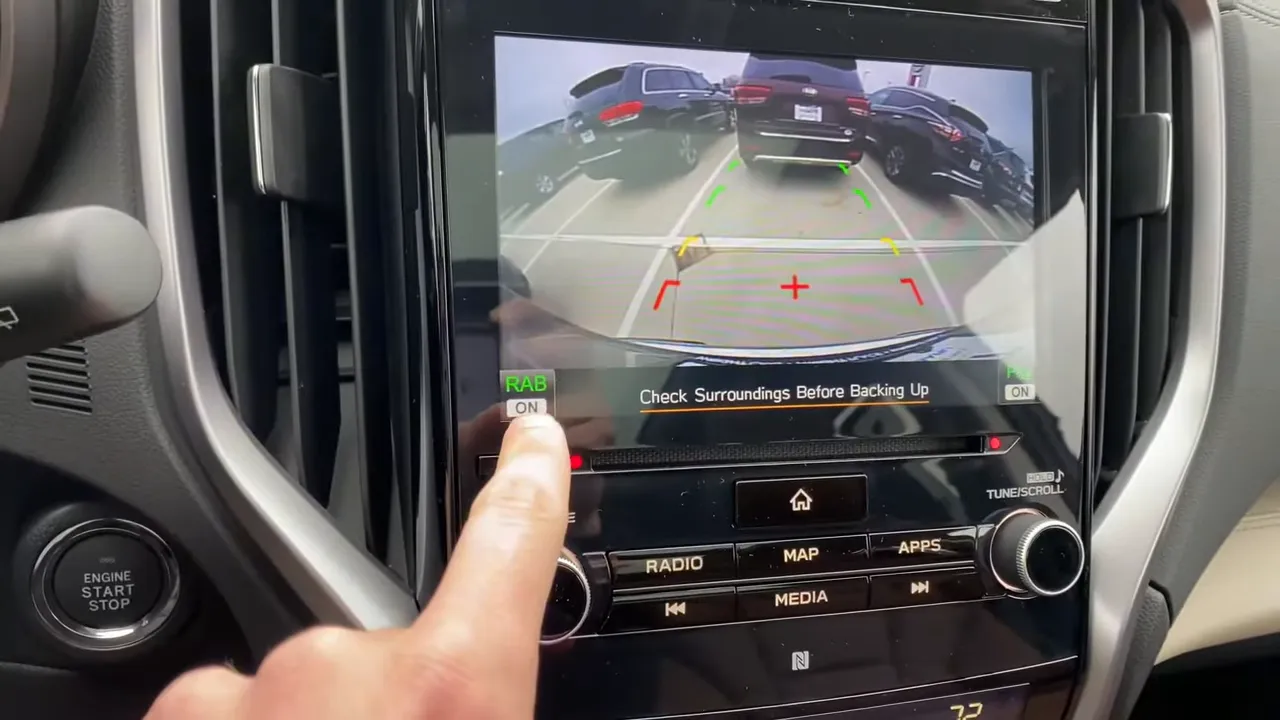
Reverse auto braking uses sonar and radar to detect objects, poles, curbs, and even pedestrians behind the car. If you do not react in time the vehicle will stop automatically. This is especially useful in crowded parking situations and for drivers who frequently back up in tight spaces.
Why people ignore these systems
- Familiarity bias: If you have never used a feature you tend not to trust it.
- Overconfidence: Drivers overestimate their reaction times and driving skill.
- Complexity fear: Modern cars have many settings and people are overwhelmed by buttons and menus.
Recognizing these psychological barriers helps reframe safety tech as allies rather than annoyances.
Practical steps to make sure the systems work
- Check the owner's manual and the infotainment settings to see which features your car has and whether they are enabled.
- Keep cameras and sensors clean and the windshield intact around camera locations.
- Reset TPMS after inflating tires and manually check pressures every two weeks.
- Ask your mechanic whether any safety systems were disabled during service and request they be reactivated.
- Update software when manufacturers release safety updates.
What is coming next
Safety tech keeps evolving. Expect wider adoption of night vision, interior radar for child detection, automatic evasive steering, and smarter interior monitoring. These improvements will continue to reduce preventable crashes and keep vulnerable passengers safer.
Final thoughts
These systems are not magic. They are tools designed to reduce human error and provide layers of protection. Learn what your car can do, enable the features, and combine them with attentive driving. That combination is the best chance you have of walking away from a crash.
Which of these safety features surprised you the most? Which one will you check or enable today?


