
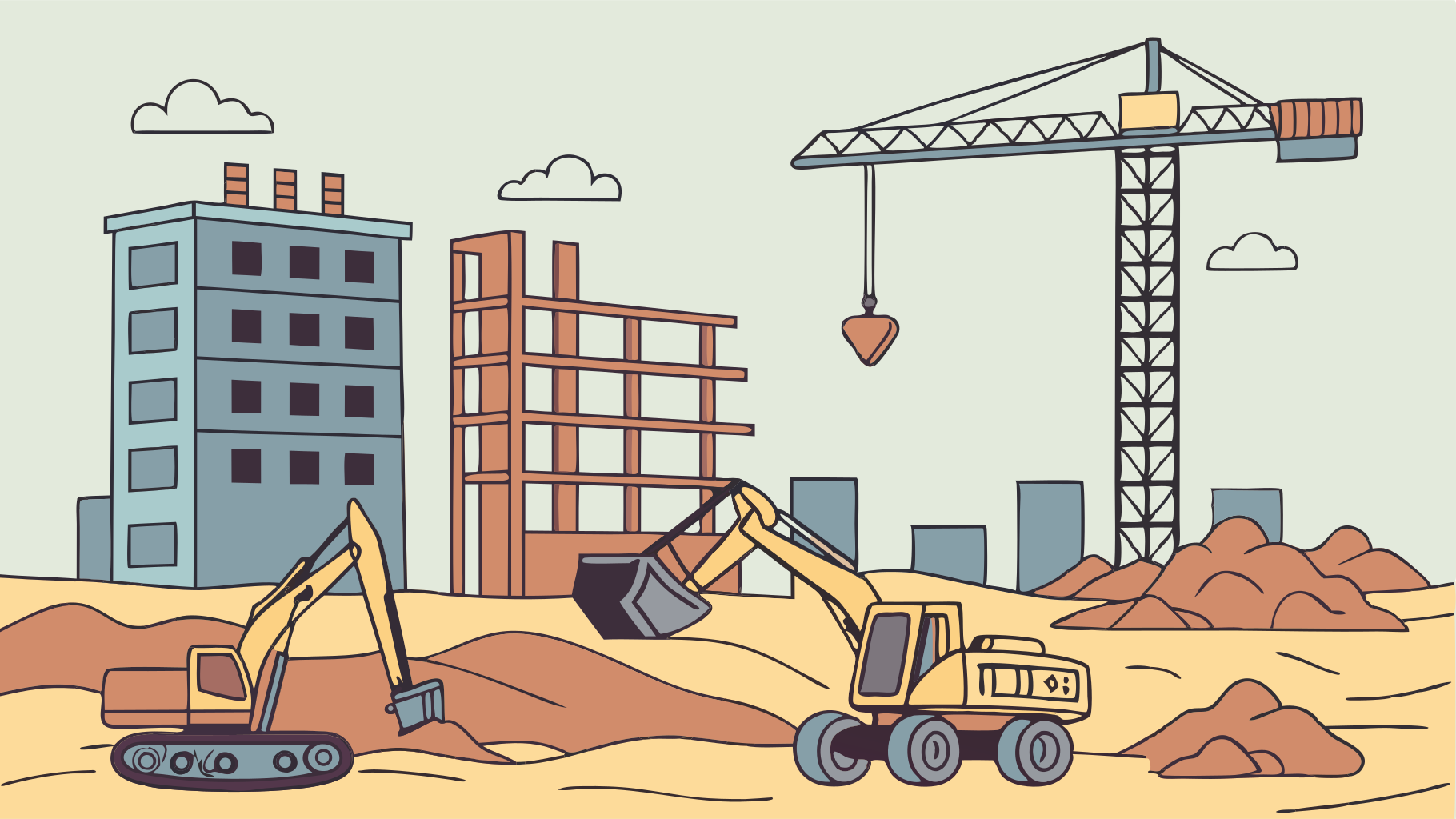
Construction sites are fascinating places where massive projects like roads, dams, and sewage lift stations come to life. Behind every completed structure is an impressive array of specialized machines that make the work faster, safer, and more efficient. Understanding what these machines do adds a whole new level of appreciation for the built environment around us.
From digging earth to laying concrete and lifting giant girders, each machine plays a vital role. Here’s a quick yet comprehensive guide to the essential construction machines you’re likely to encounter on any major job site.
Earthmoving Machines: The Backbone of Construction
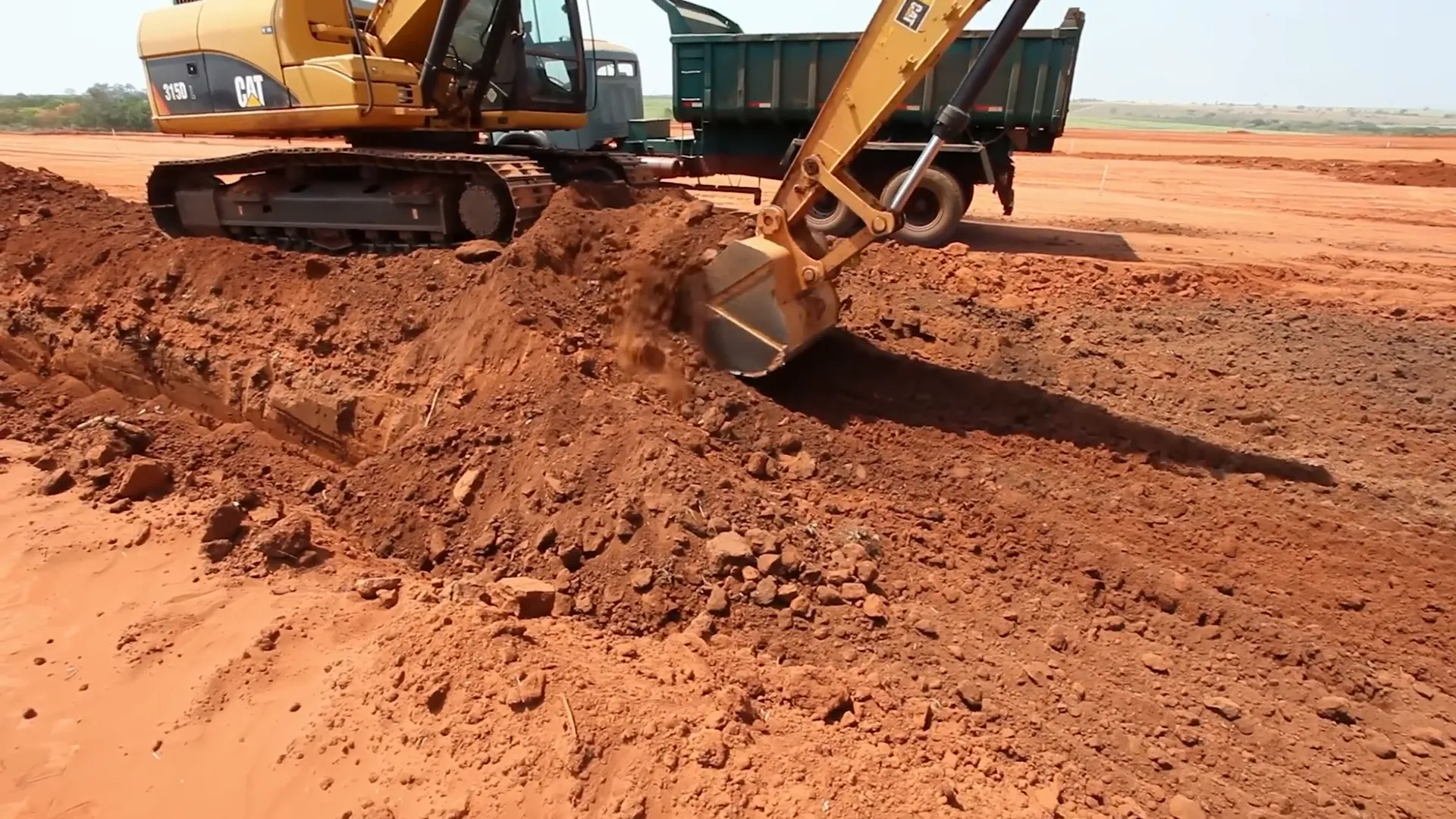
Moving soil and rock is one of the most fundamental tasks on any construction site, and humans alone simply can’t compete with machines in this area. The excavator is the star of earthmoving equipment. Its heavy steel bucket can scoop as much dirt in one go as a person could in an entire day. But excavators do more than just dig—they lift, push, crane, and even hammer.
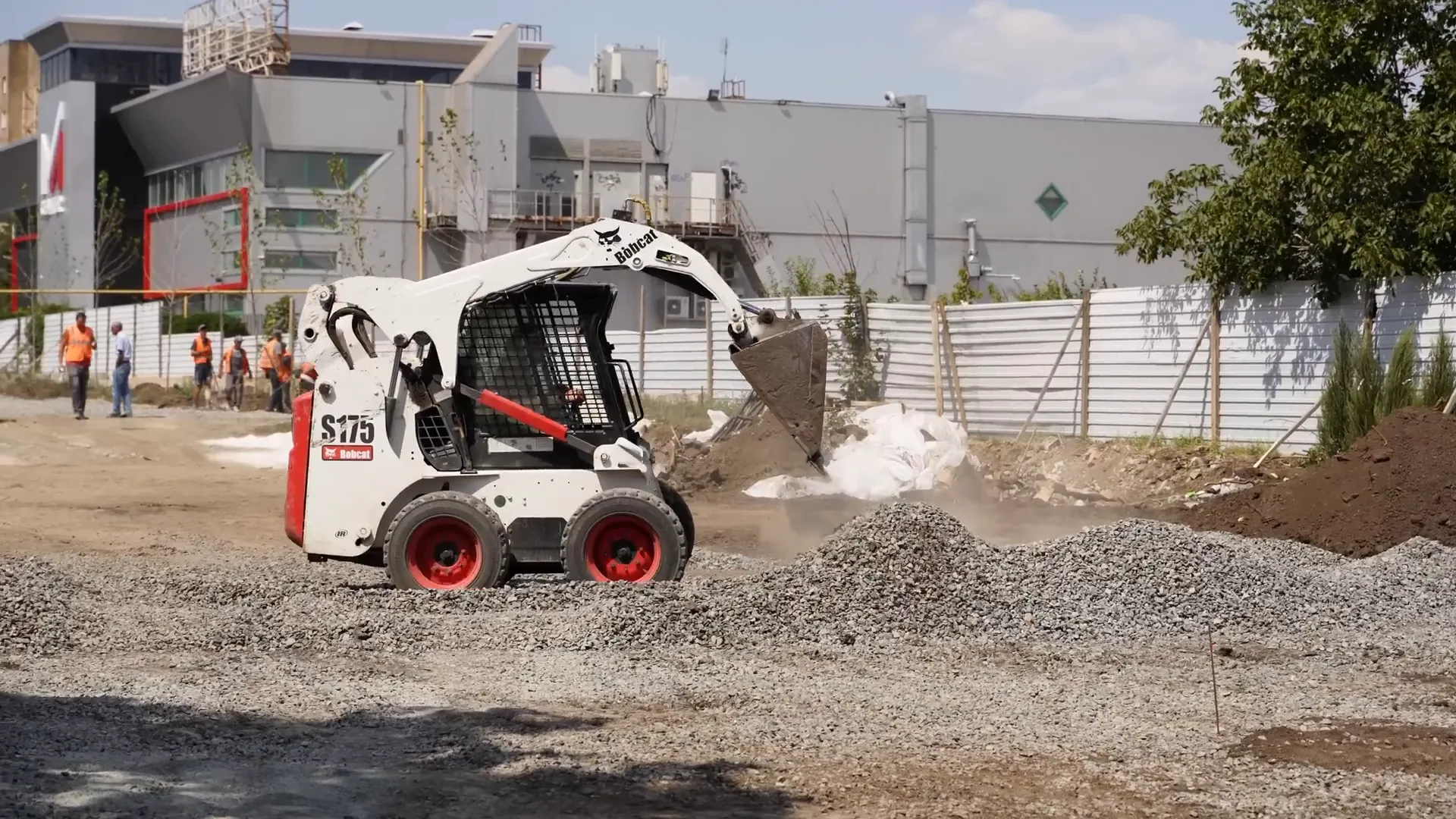
Following closely in versatility is the skid steer. These compact machines often come with a bucket but can quickly switch to other tools like mowers, forklifts, or drill rigs. Their small size and agility make them perfect for tight spaces where larger equipment can’t maneuver.
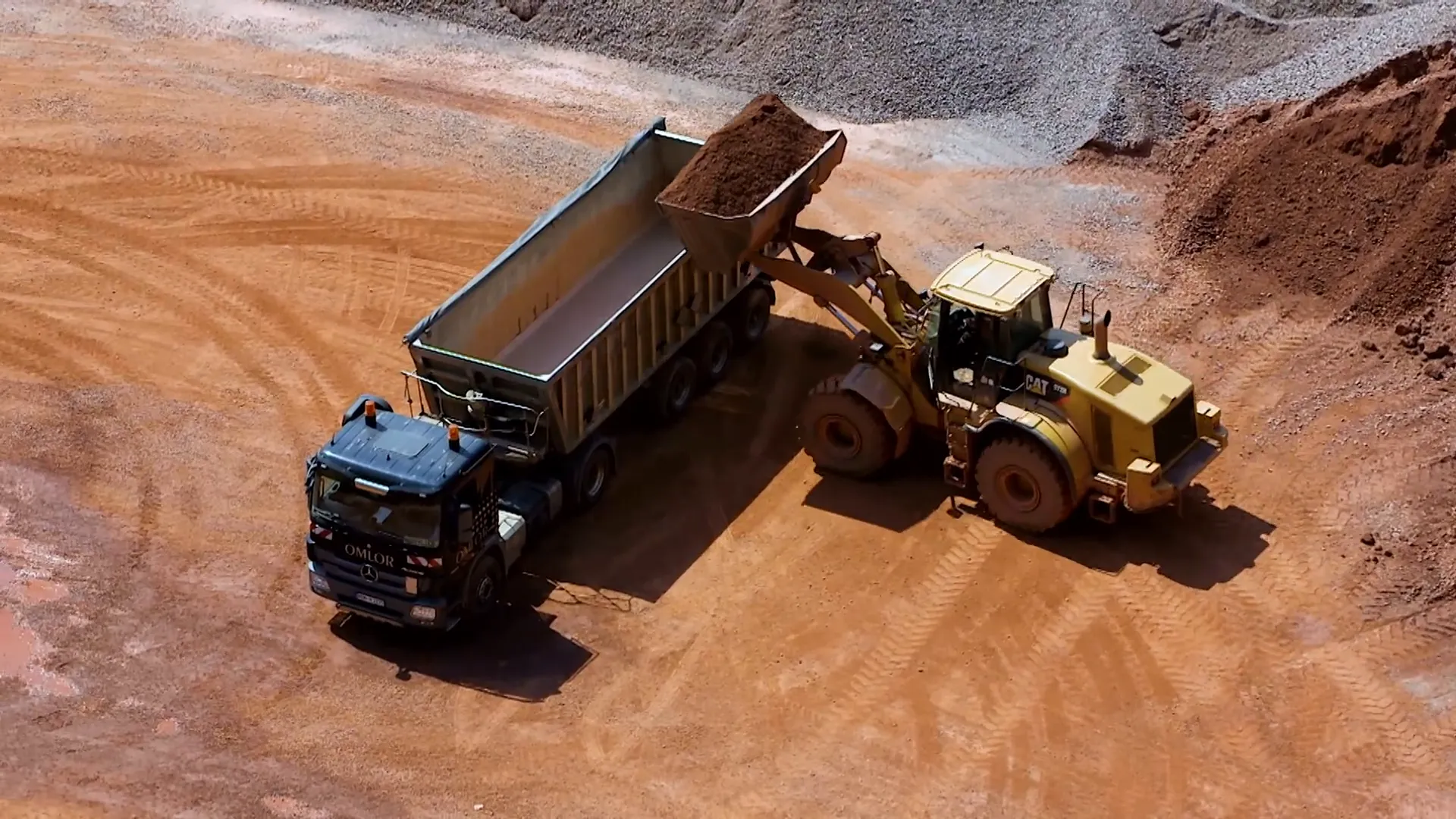
Loaders specialize in carrying materials like soil and rock over short distances—typically the length of a job site. They usually have articulated centers to enable sharp turns and large front buckets for lifting and dumping. For longer hauls, dump trucks take over. These vehicles have large open beds that can be hydraulically tilted to unload their heavy cargo, often equipped with auxiliary axles to distribute weight and comply with road limits.
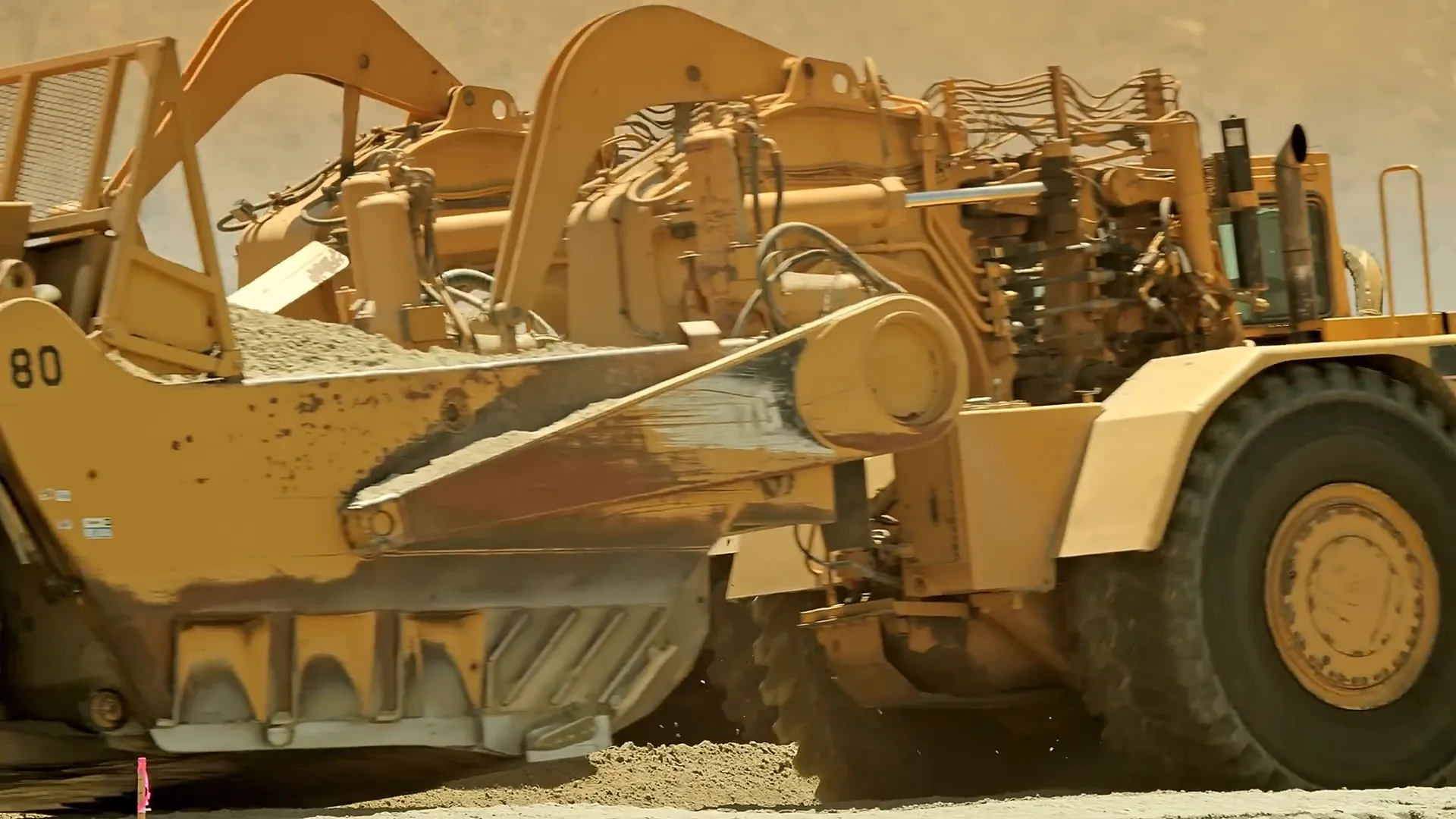
On large projects, a scraper combines digging, loading, hauling, and unloading into one machine. It scrapes soil directly from the ground into a hopper, carries it to where it’s needed, and ejects it hydraulically—ideal for building highways or dams.
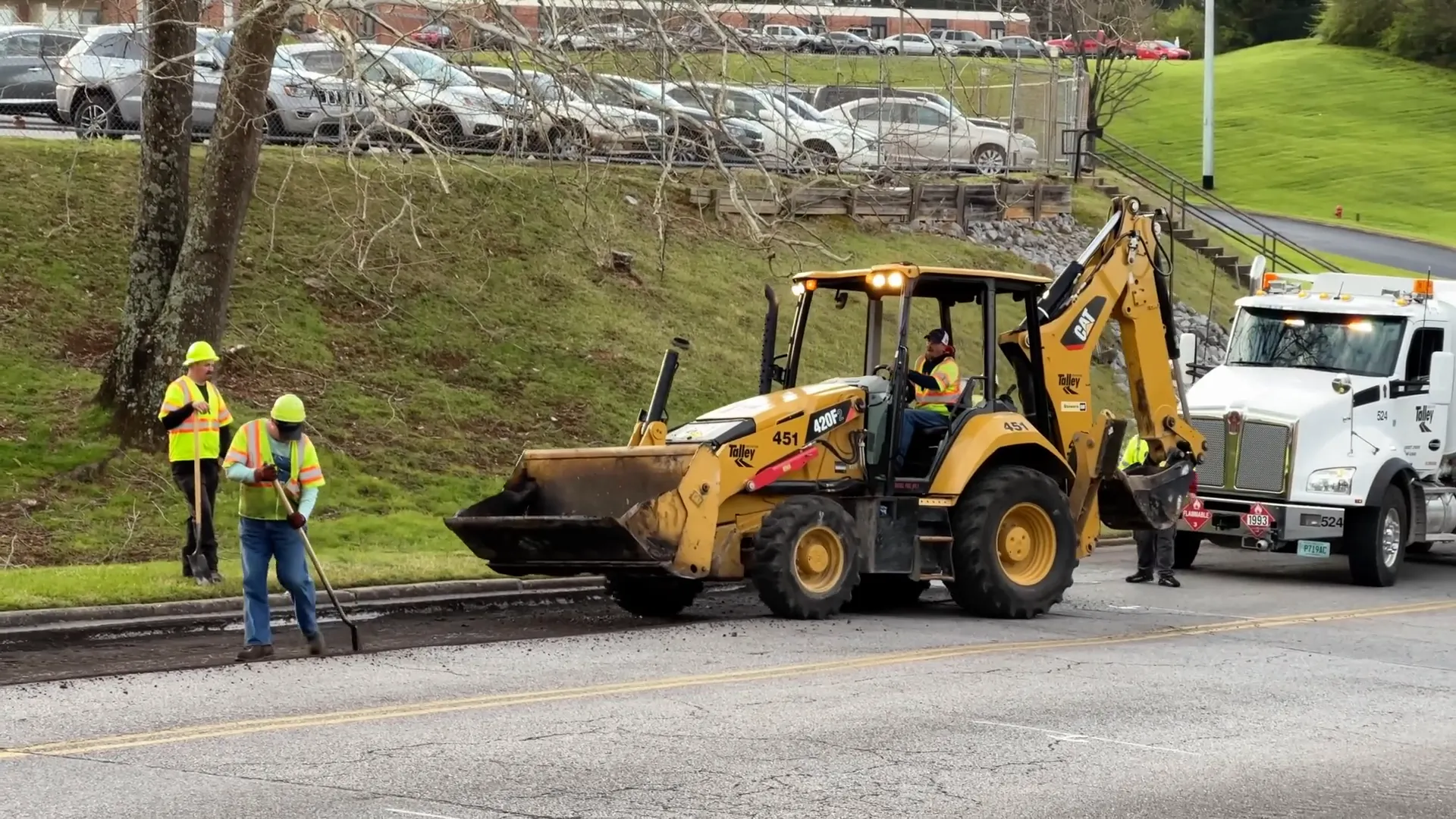
The backhoe is a versatile hybrid combining an excavator and a loader, great for smaller sites where having two separate machines isn’t practical. Meanwhile, the bulldozer excels at moving massive amounts of material at ground level, spreading tons of earth with its tank-like tracks.
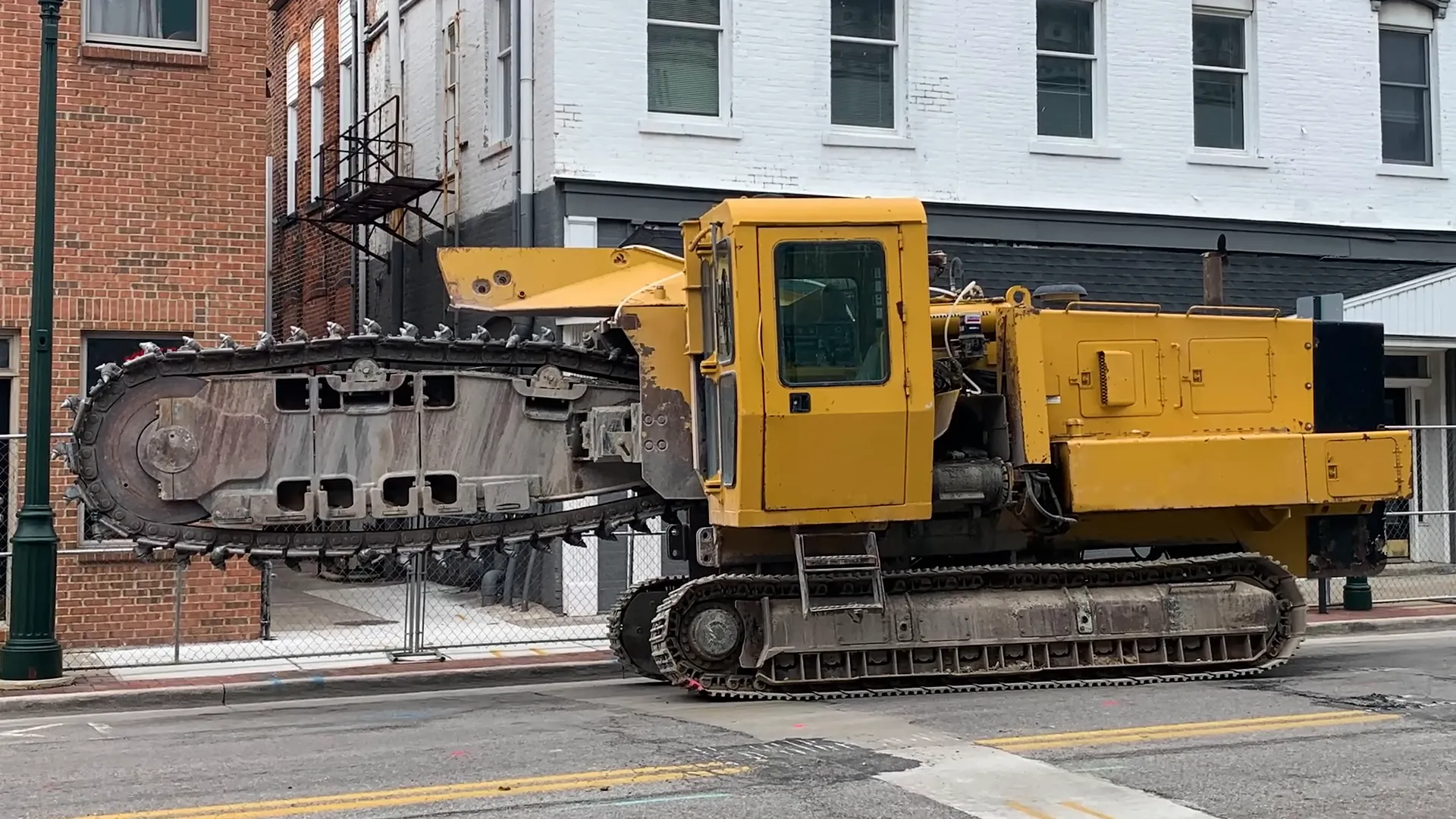
For digging long, narrow trenches for utilities, a trencher is the go-to machine. Many use a tooth chain similar to a giant chainsaw to efficiently cut through earth.
Pro tip: There are countless regional names for construction machines. To sound like a pro, try adding the drive style to the machine’s name, such as "wheel loader" or "tracked excavator."
Machines That Build Our Roads
Roadwork is ubiquitous and often frustrating when it causes traffic jams, but roads are among the largest engineered structures on Earth. Building them requires specialized tools designed for precision and durability.
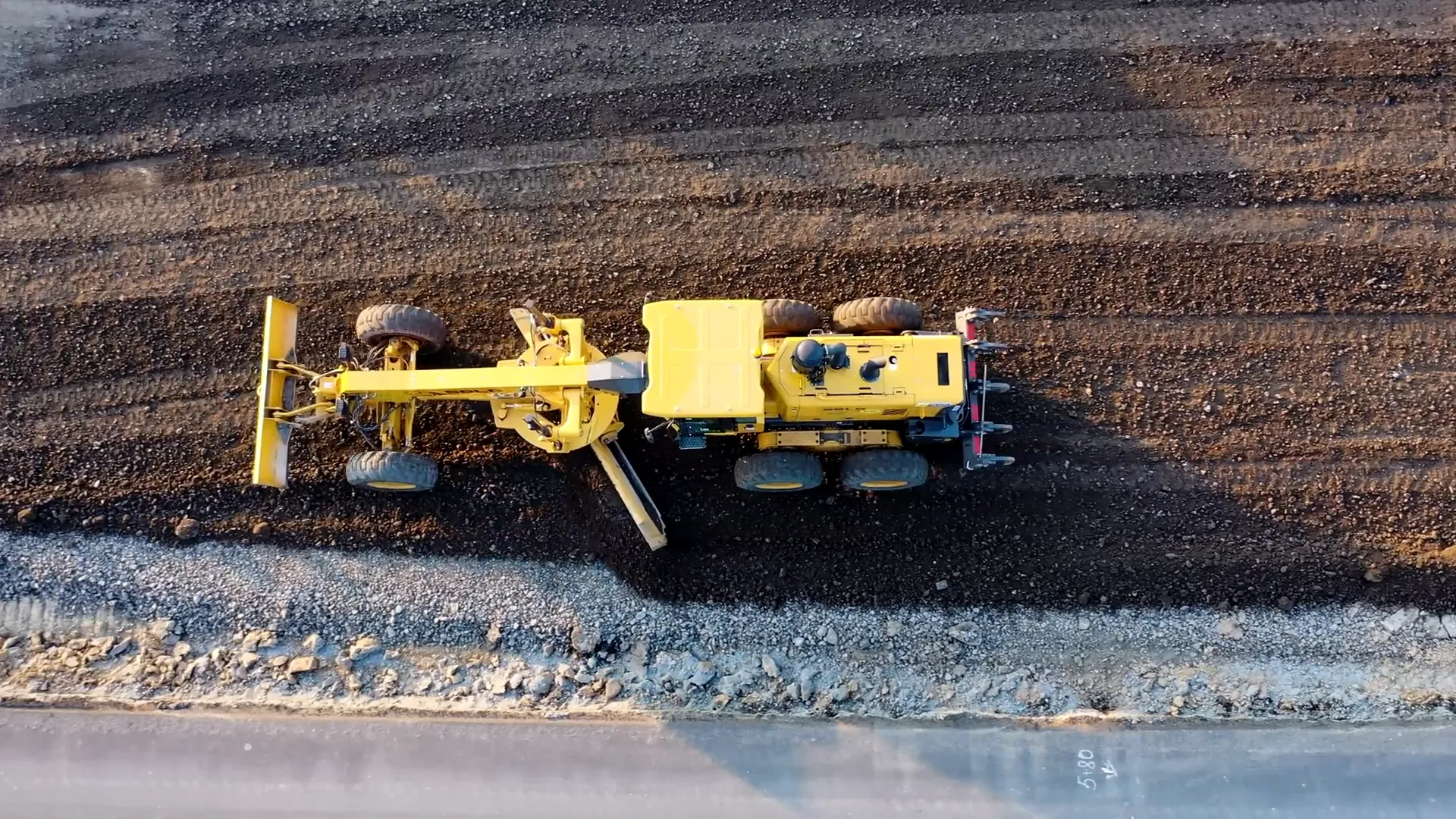
The grader is an earthwork machine used primarily on roads. Its extra-long wheelbase allows it to level surfaces with precision, smoothing out bumps to create an even grade.
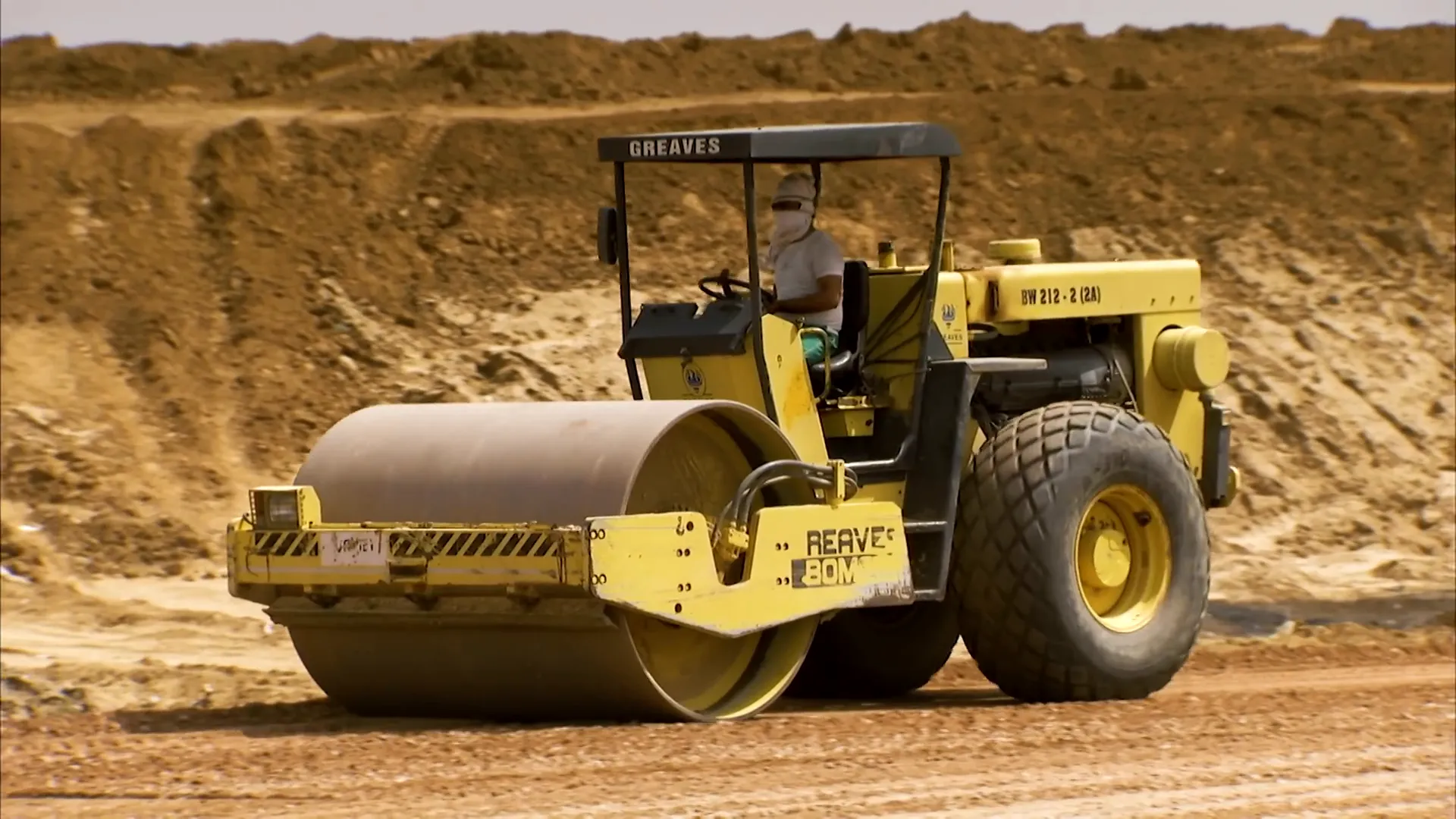
Once soil is in place, it must be compacted to prevent future settling. The roller compactor comes in various types: smooth drums for soils and asphalt, sheep’s foot or padded drums for clays and silts, and pneumatic tire rollers that knead and seal surfaces. Many have vibration features to shake soil into a denser state.
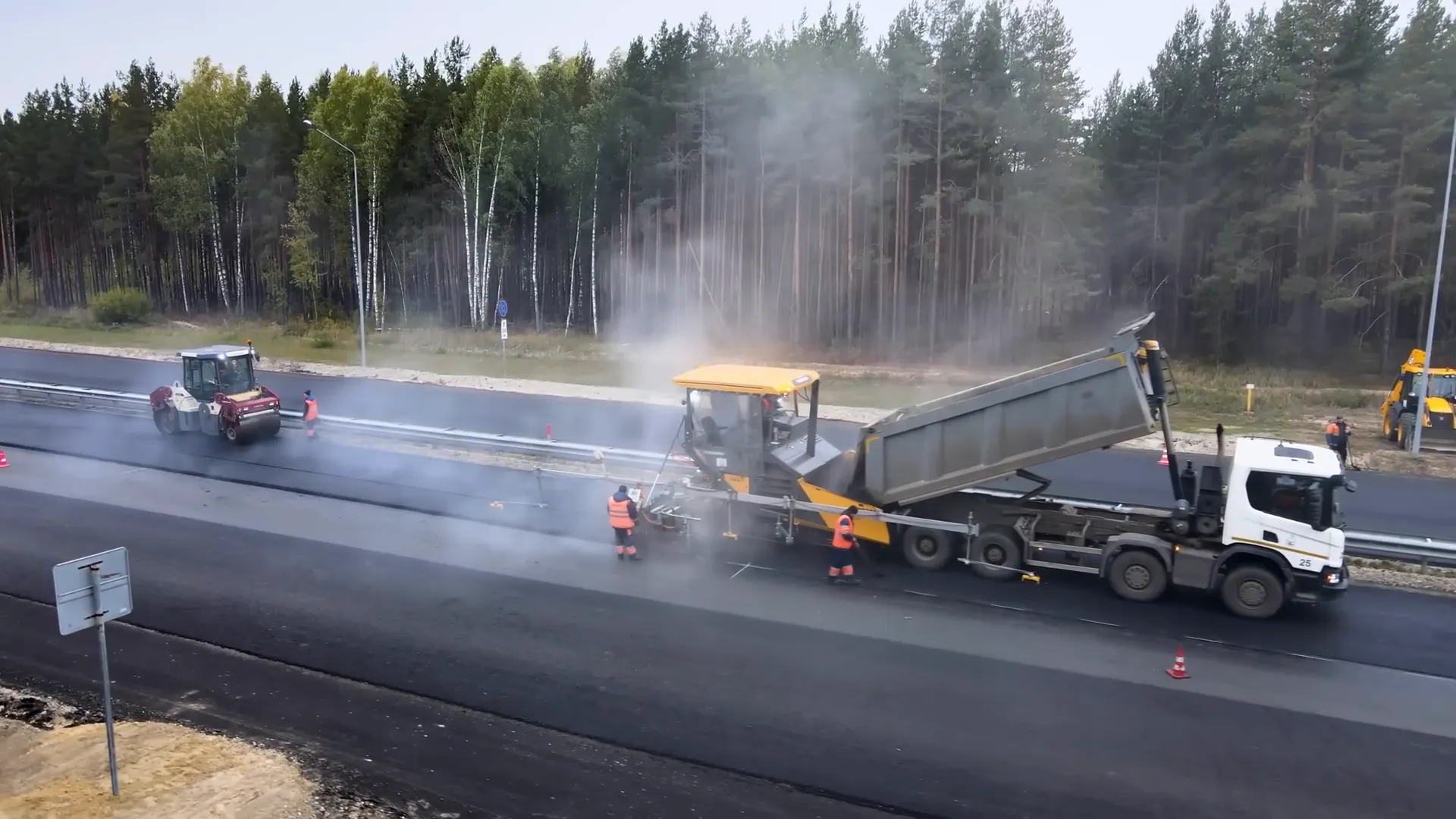
The asphalt paver is where the road truly takes shape. It spreads hot asphalt evenly onto the prepared base using a screed. Some paving machines use a wand to follow a stringline, ensuring the road meets precise elevation requirements.
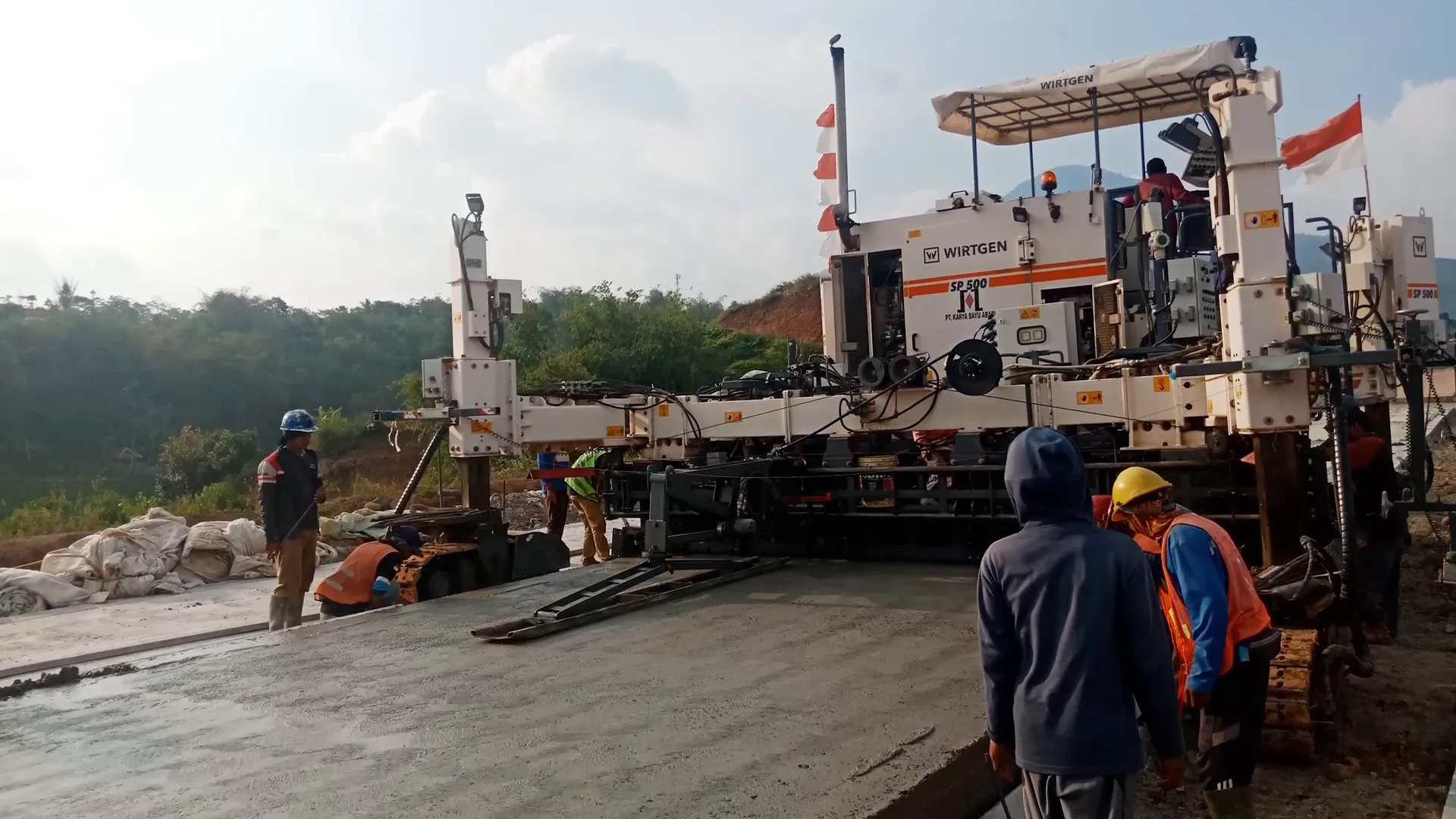
For concrete roads, a slip former is the preferred tool. Instead of casting concrete in batches, it continuously forms paving, curbs, and highway barriers with careful mix control—eliminating the need for traditional formwork.
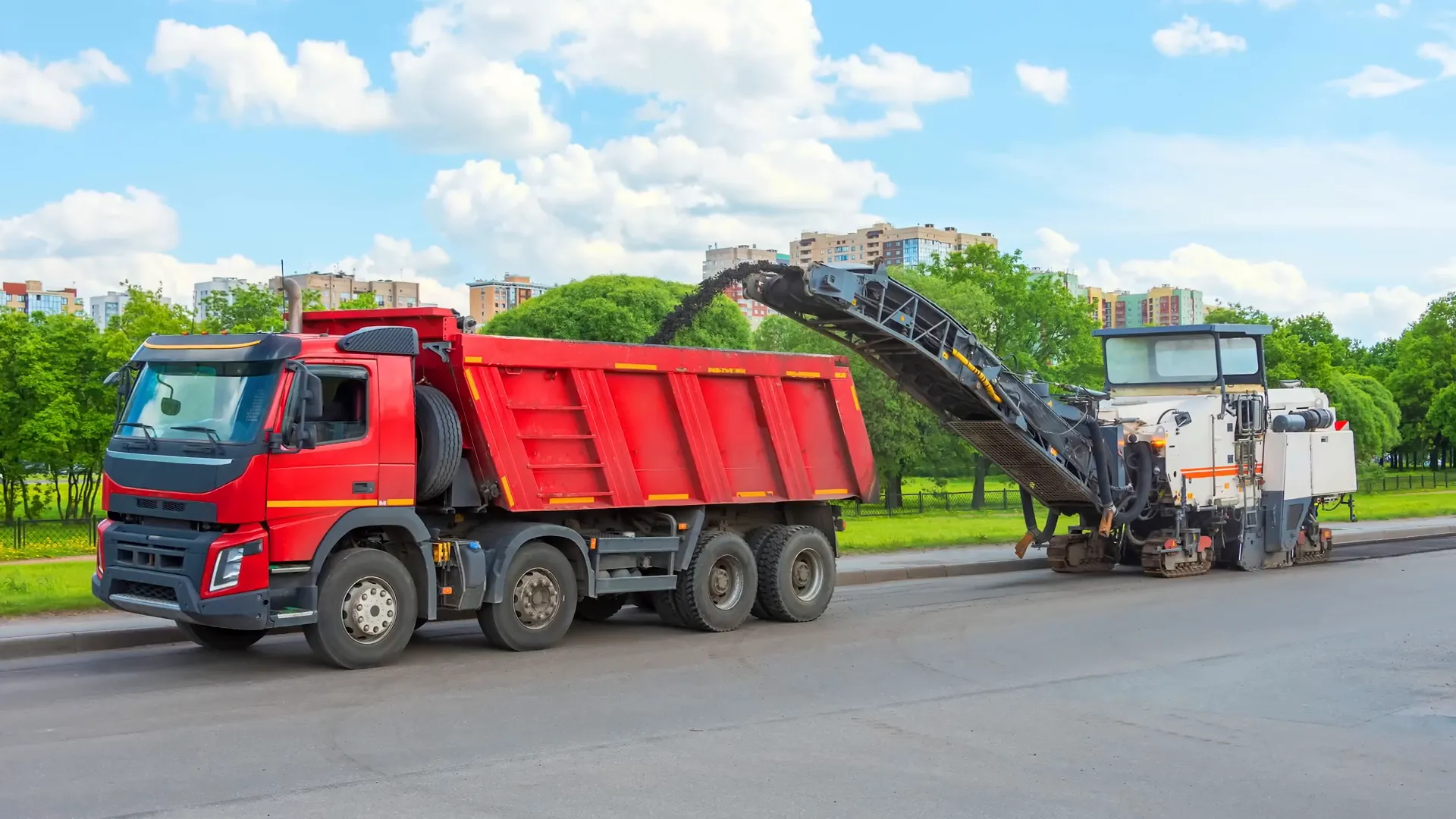
Road surfaces wear out, but simply adding layers of asphalt would eventually create walls. Instead, an asphalt mill or planer grinds off the top worn layer with a rotating drum. The removed material is conveyed into dump trucks for recycling or disposal.
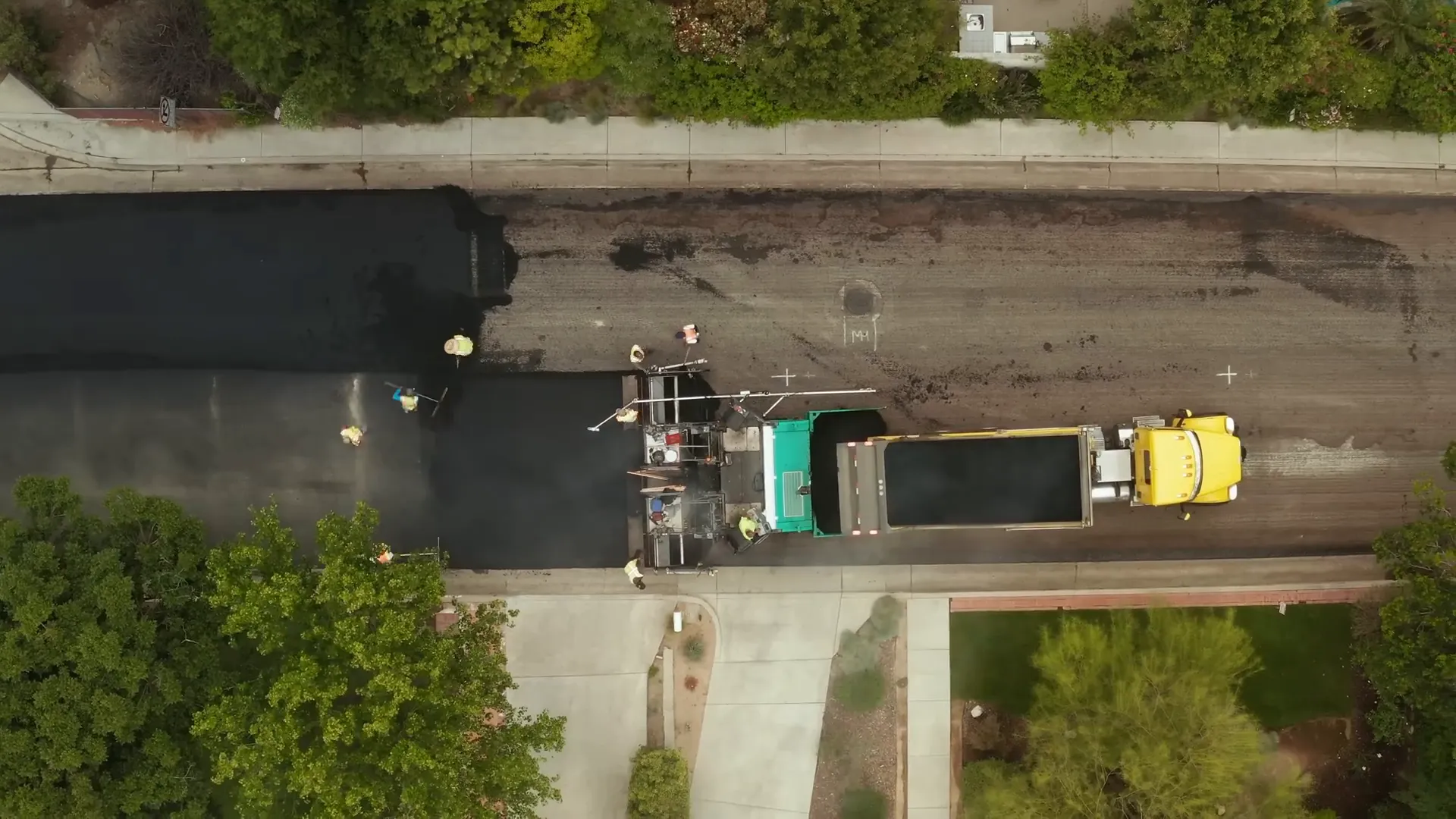
Road construction often involves a paving train: a coordinated line of vehicles including dump trucks delivering fresh asphalt, pavers laying it down, and rollers compacting it—all working in tandem for efficiency and quality.
Supporting Equipment at Construction Sites
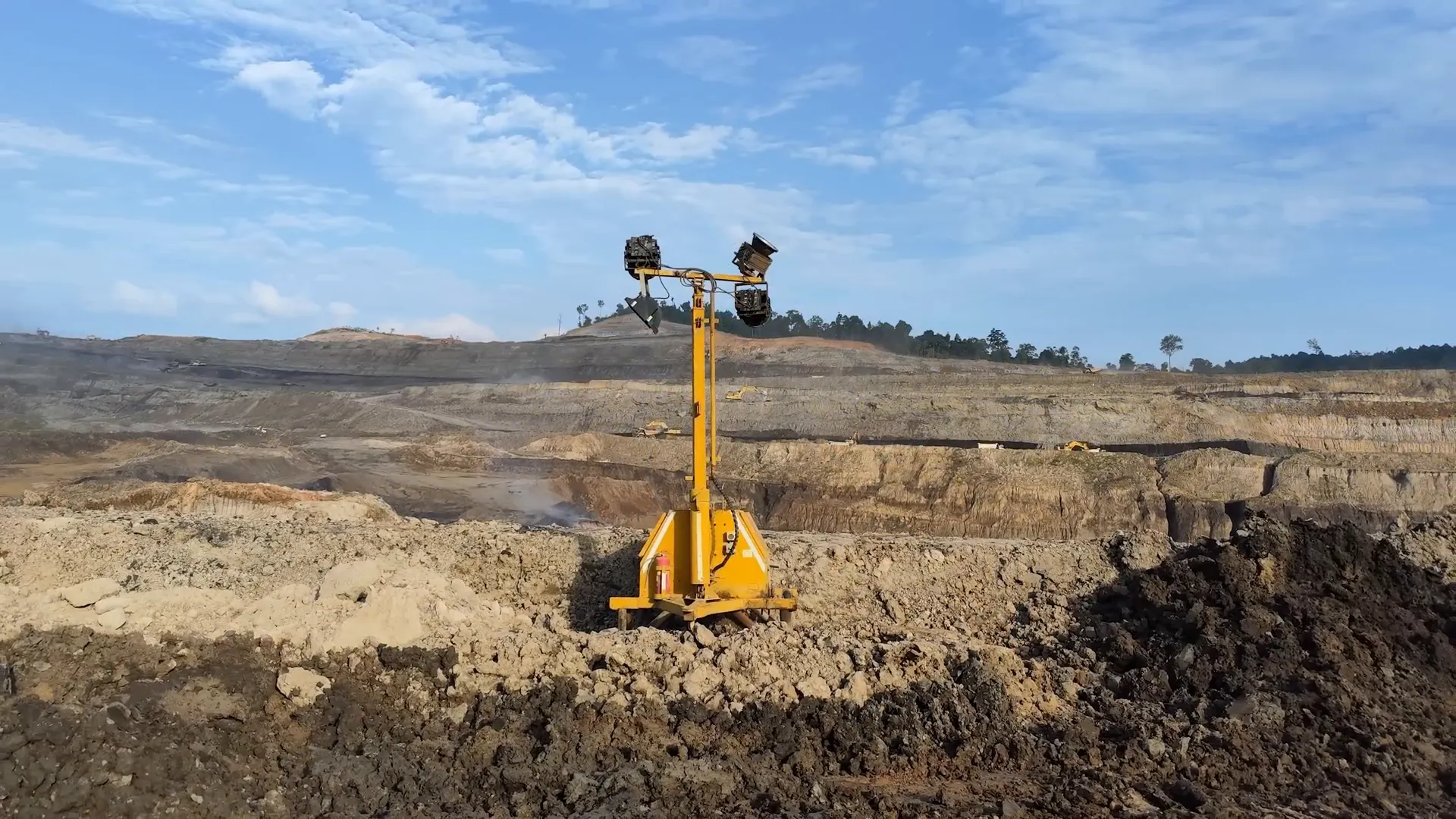
Not all equipment moves soil or materials. Some are essential for supporting work conditions. Light towers illuminate sites for night or underground work. Air compressors power tools like jackhammers and sandblasters. When electric power is unavailable, diesel generators provide a portable energy source.
Material Handling: Cranes and Lifting Machines
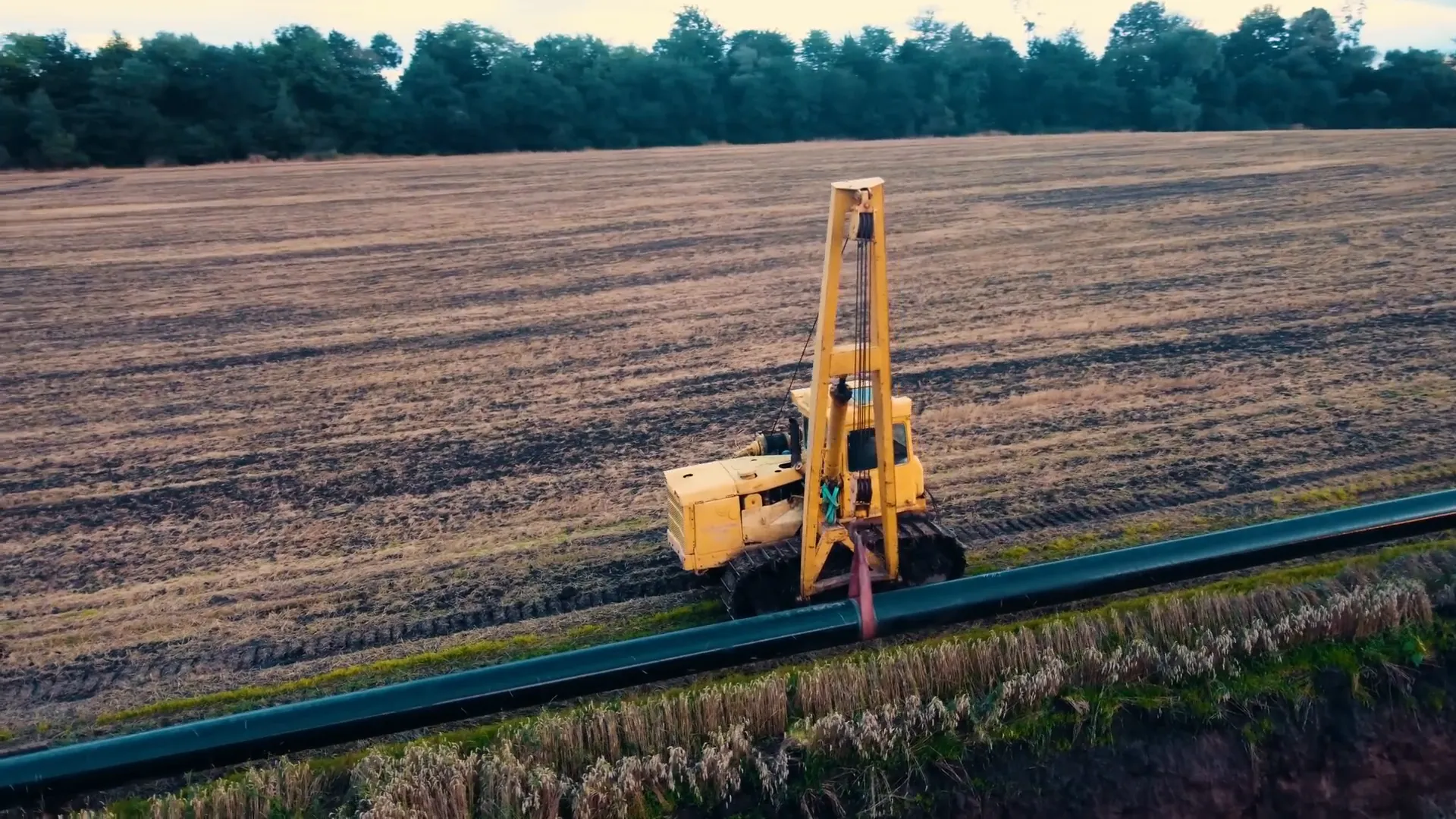
Moving bulk materials is one thing, but handling large objects like girders or concrete pipes requires cranes. A pipe layer crane specializes in lifting and precisely placing large pipe sections into trenches.
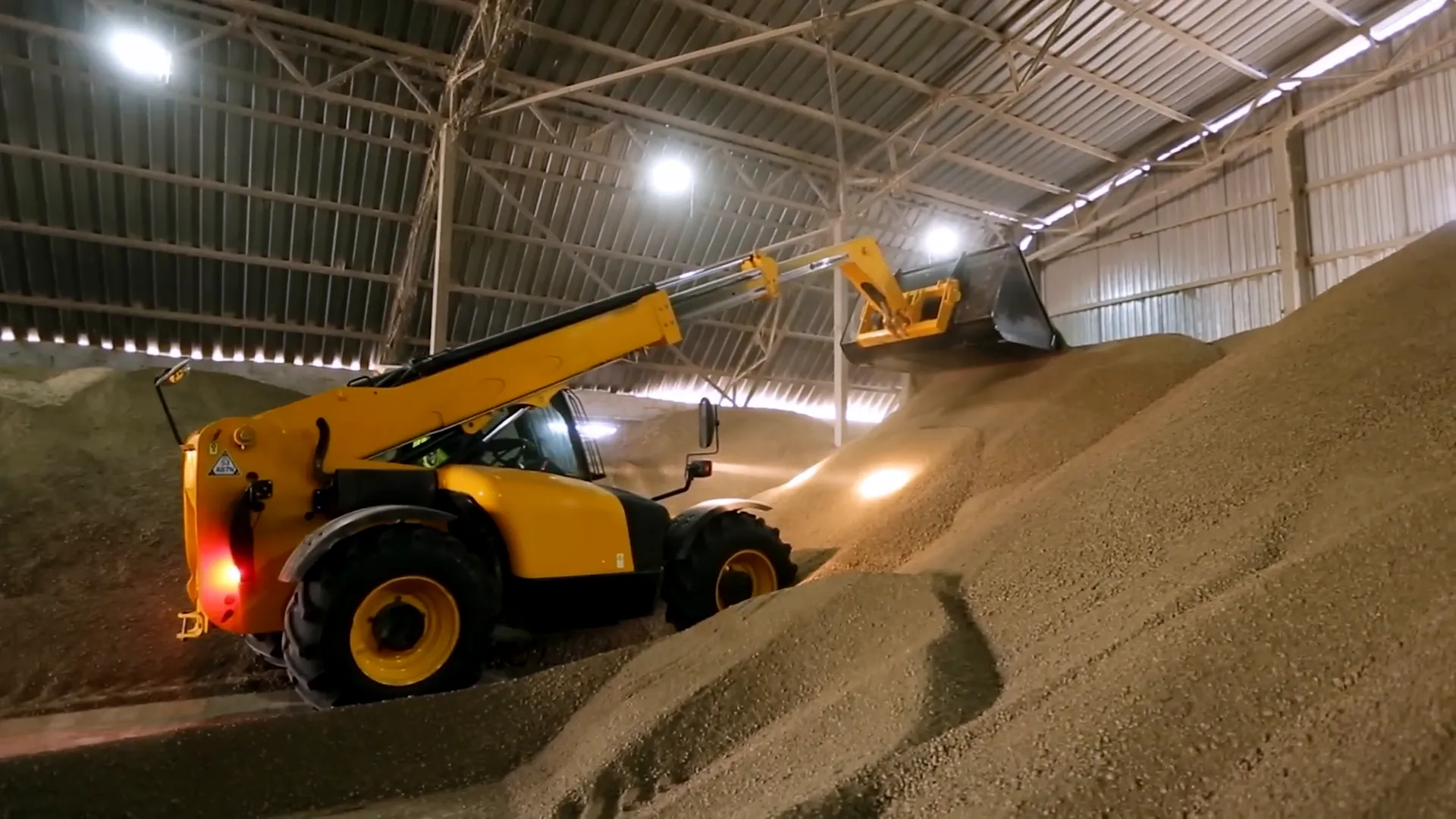
The telescopic handler (or telehandler) is an all-terrain forklift with a boom that telescopes and accepts various attachments such as buckets, forks, or winches. It’s ideal for delivering materials exactly where needed.
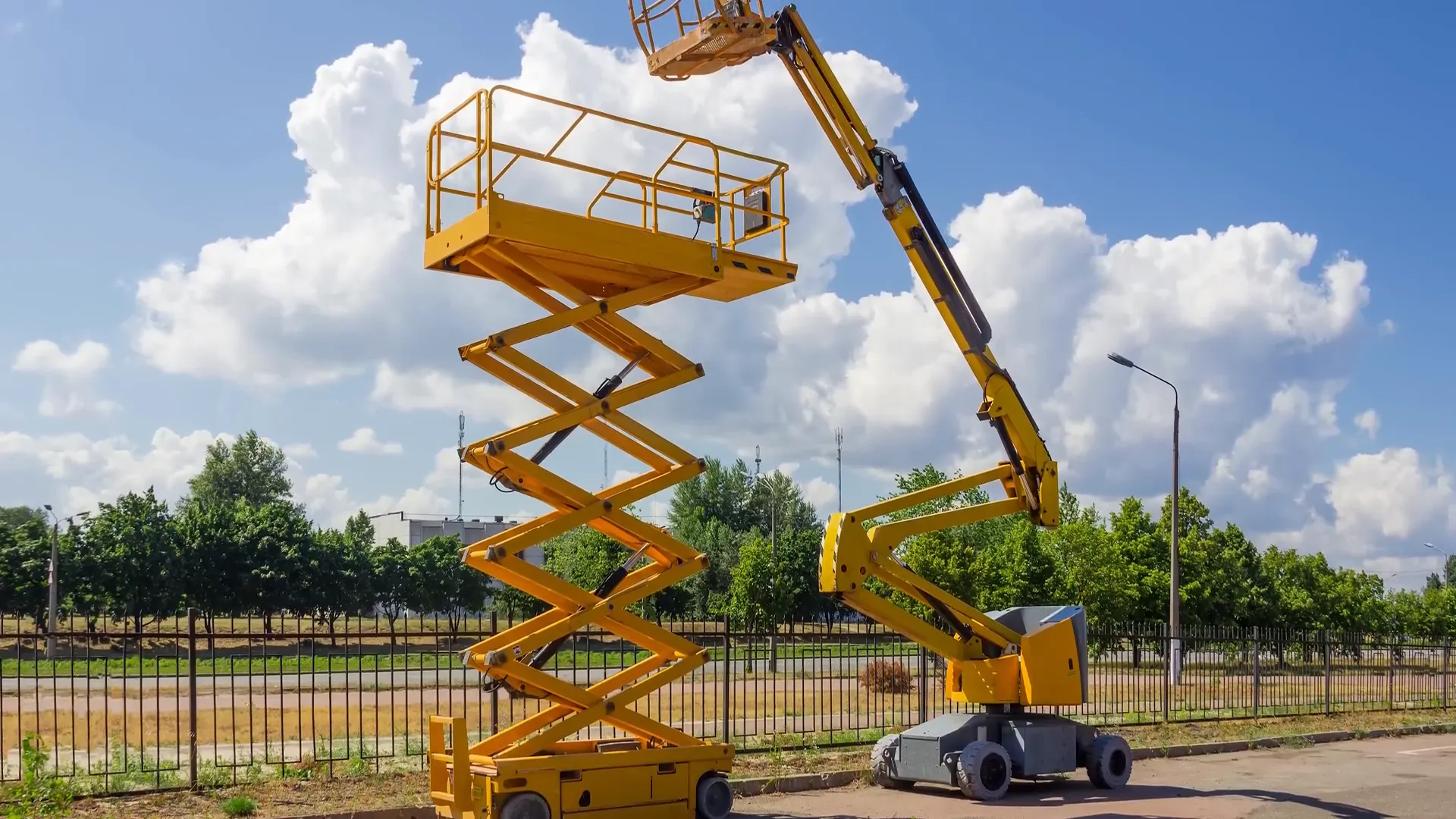
For elevating personnel, boom lifts and scissor lifts provide stable, precisely controlled platforms, much safer and more accurate than ladders. Bucket trucks are boom lifts mounted on trucks, commonly used for utility pole work.
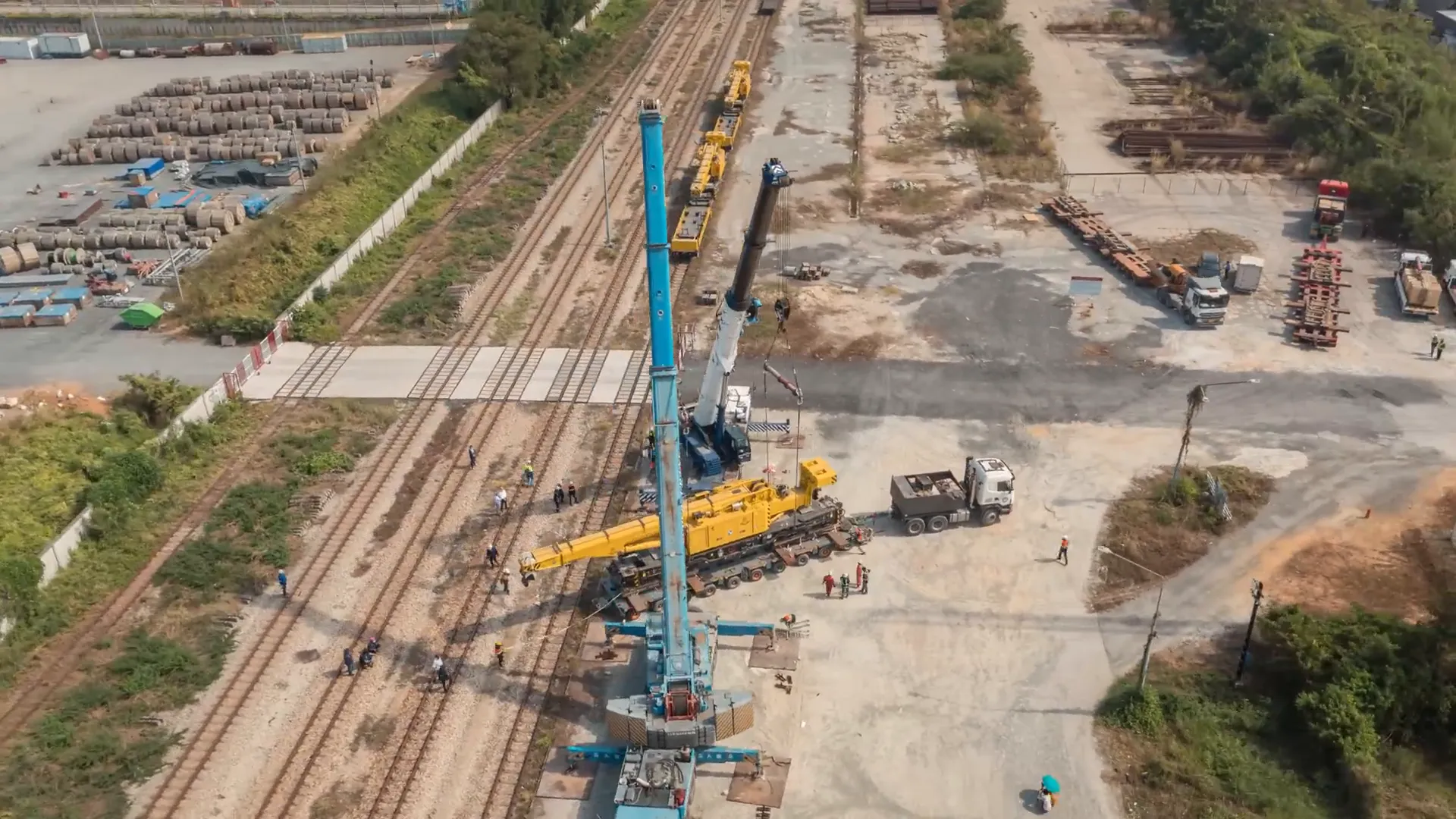
When it comes to large cranes that move between sites on roads, road-rated all-terrain cranes are the norm. They don’t need perfectly level or paved surfaces to operate. For rougher terrain, rough-terrain cranes with giant rubber tires are used, though they often require transport to the site.
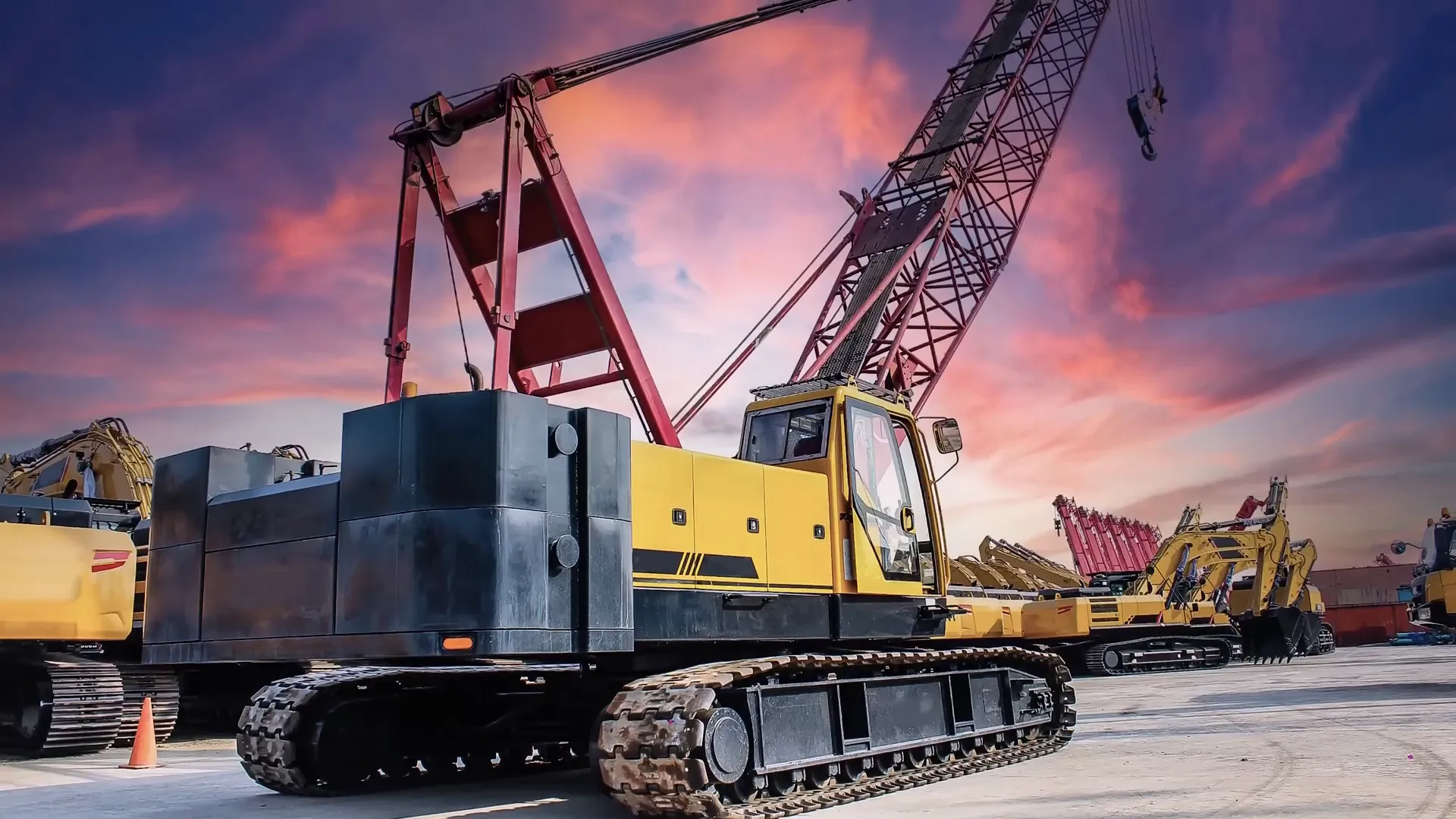
Crawler cranes run on tracks and are slower but can carry immense loads and reach greater heights. They can be customized with different boom lengths, counterweights, and extensions (jibs). One fun variant is fitted with a wrecking ball for demolition.

Tower cranes are massive, counterbalanced cranes with horizontal booms mounted atop tall towers. They’re often constructed and assembled on-site and can be enormous—almost projects in their own right.
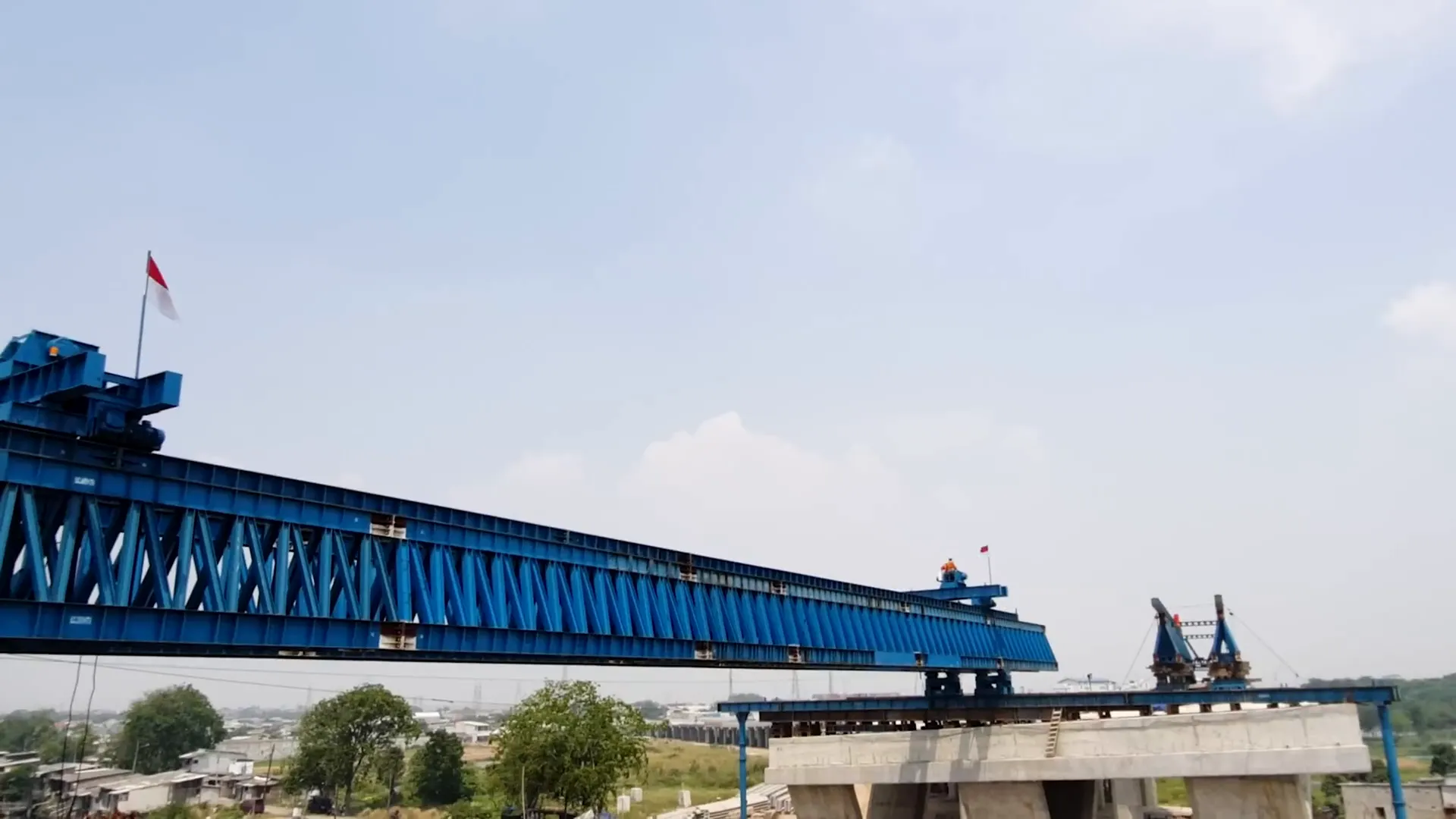
Specialized cranes like launching gantries build bridges by lifting entire pre-built sections onto the existing structure, combining the concepts of overhead gantry cranes with bridge construction.
Foundation and Concrete Handling Machines
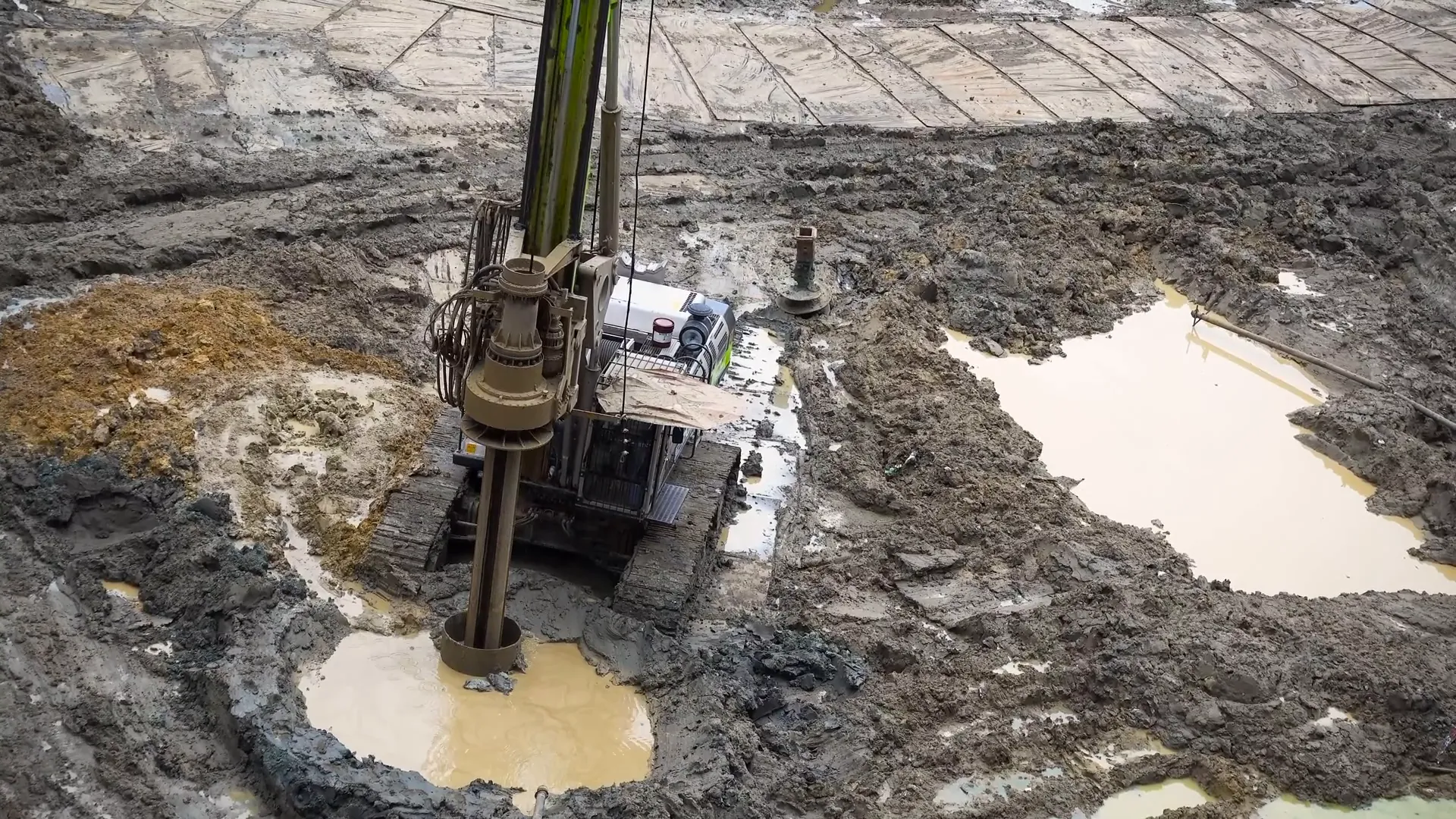
Supporting heavy structures often means sinking piles deep into bedrock or stable soil layers. Pile drill rigs drill deep holes to insert reinforcing steel cages that are then filled with concrete, similar to oil and gas exploration rigs.
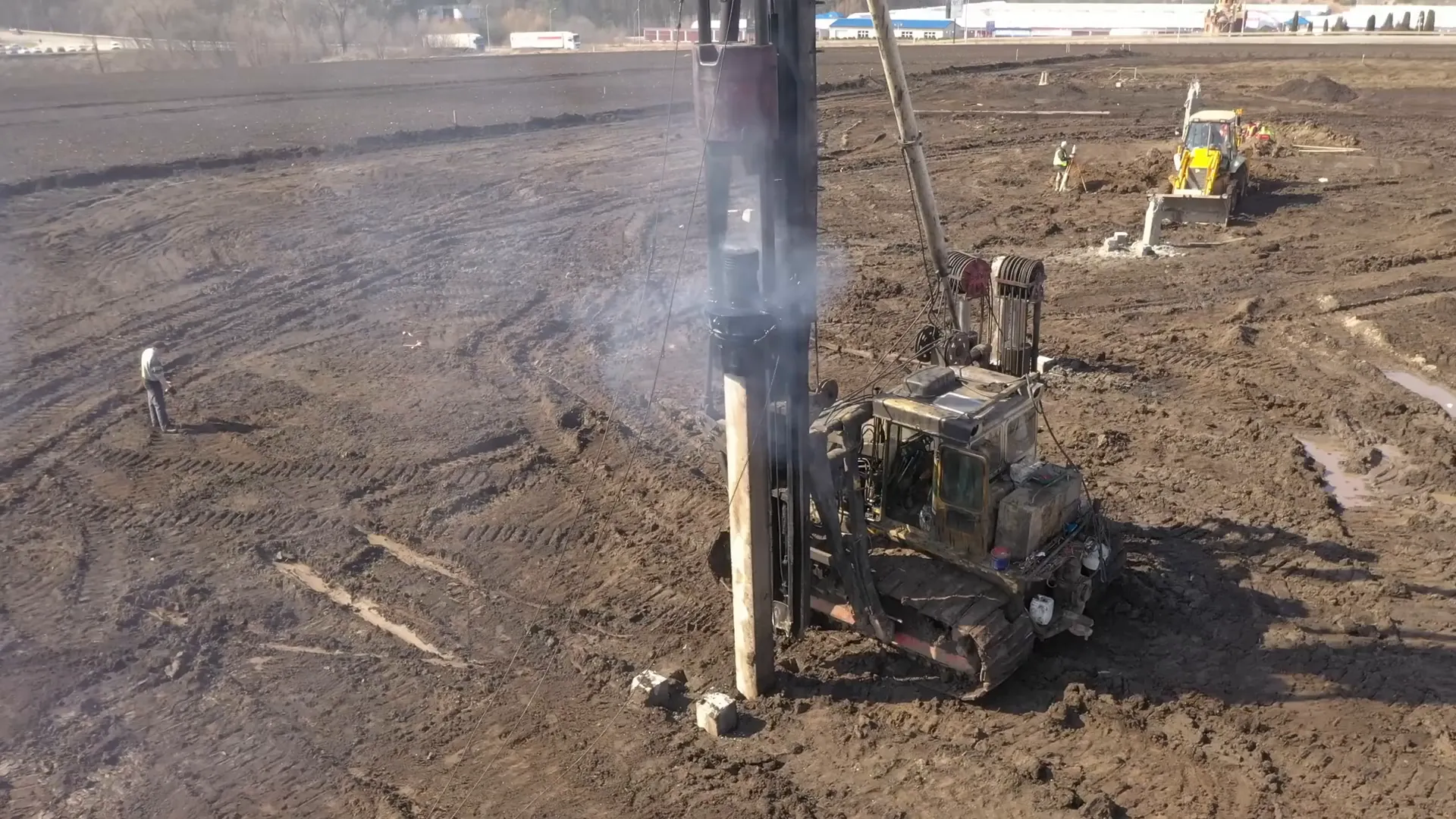
Alternatively, pile drivers drive wooden, steel, or concrete piles into the ground by repeatedly striking them until they reach the required depth.
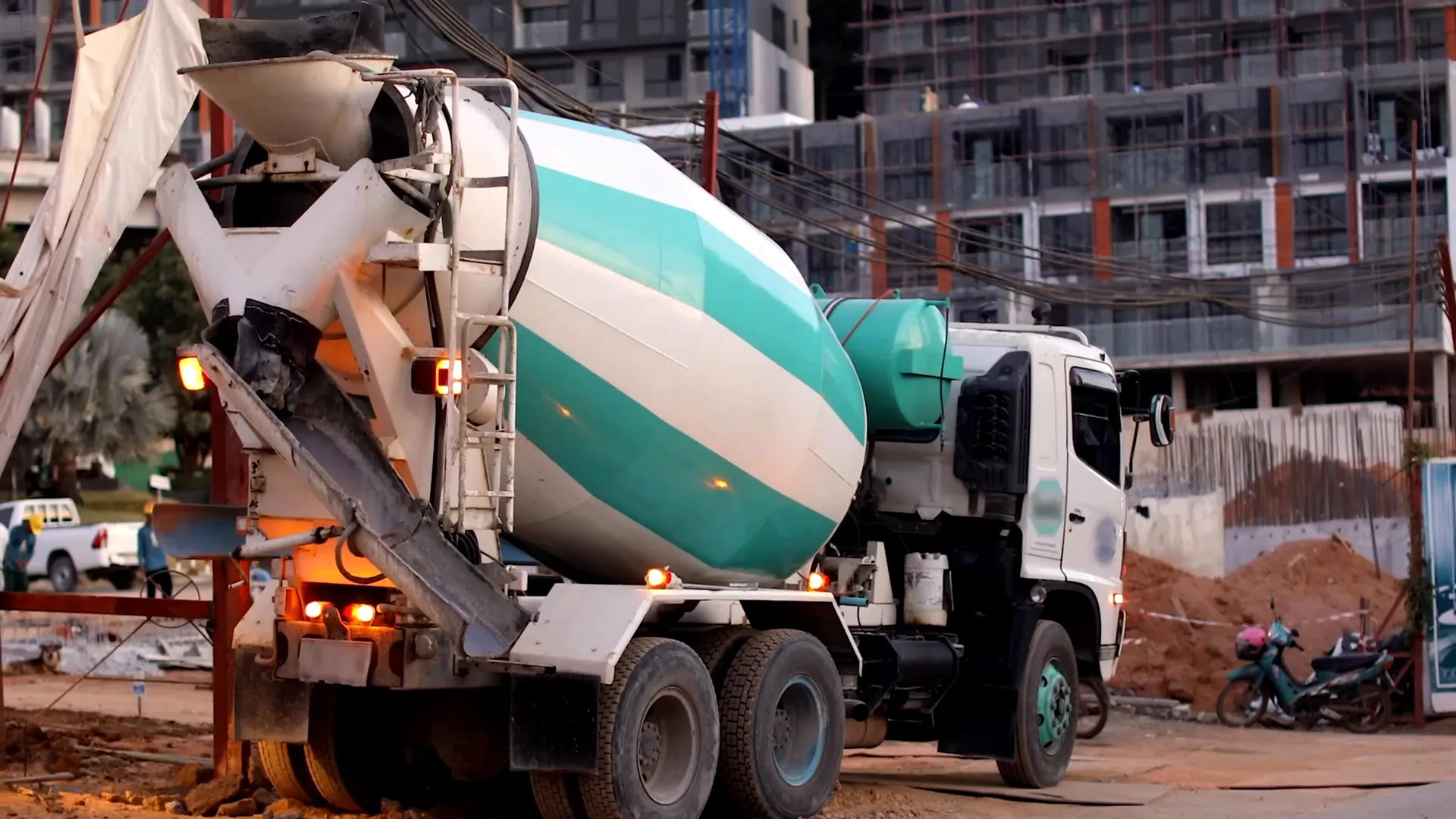
Concrete handling has its own fleet of machines. Mixer trucks (often called cement trucks) combine dry materials and water en route to the site to keep the concrete workable. Concrete is typically poured directly from the truck via a chute.
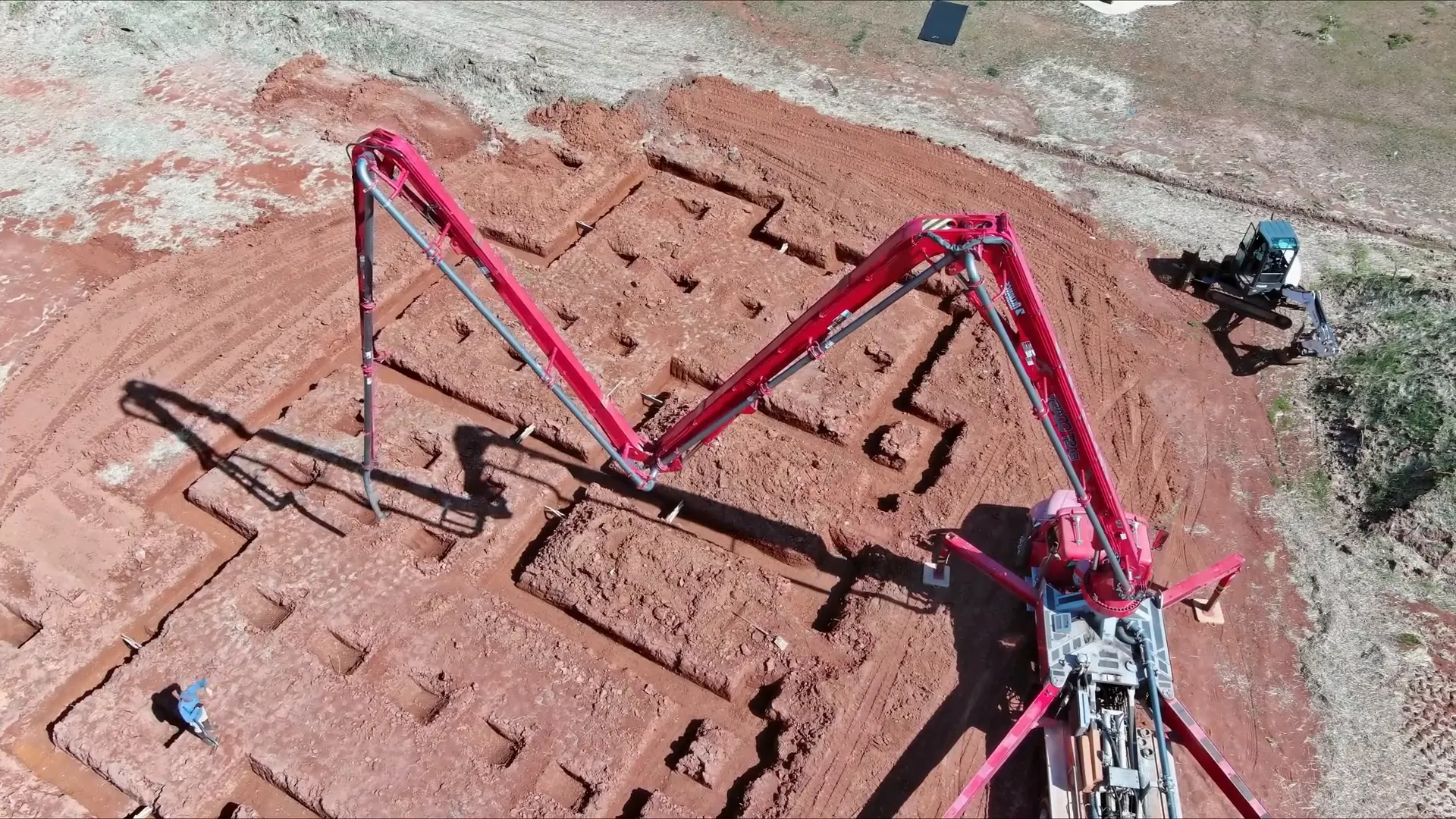
When direct truck access is difficult, concrete pumps use high-pressure booms to deliver concrete to hard-to-reach spots. These pumps operate at pressures sometimes over 100 times atmospheric pressure due to concrete’s density.
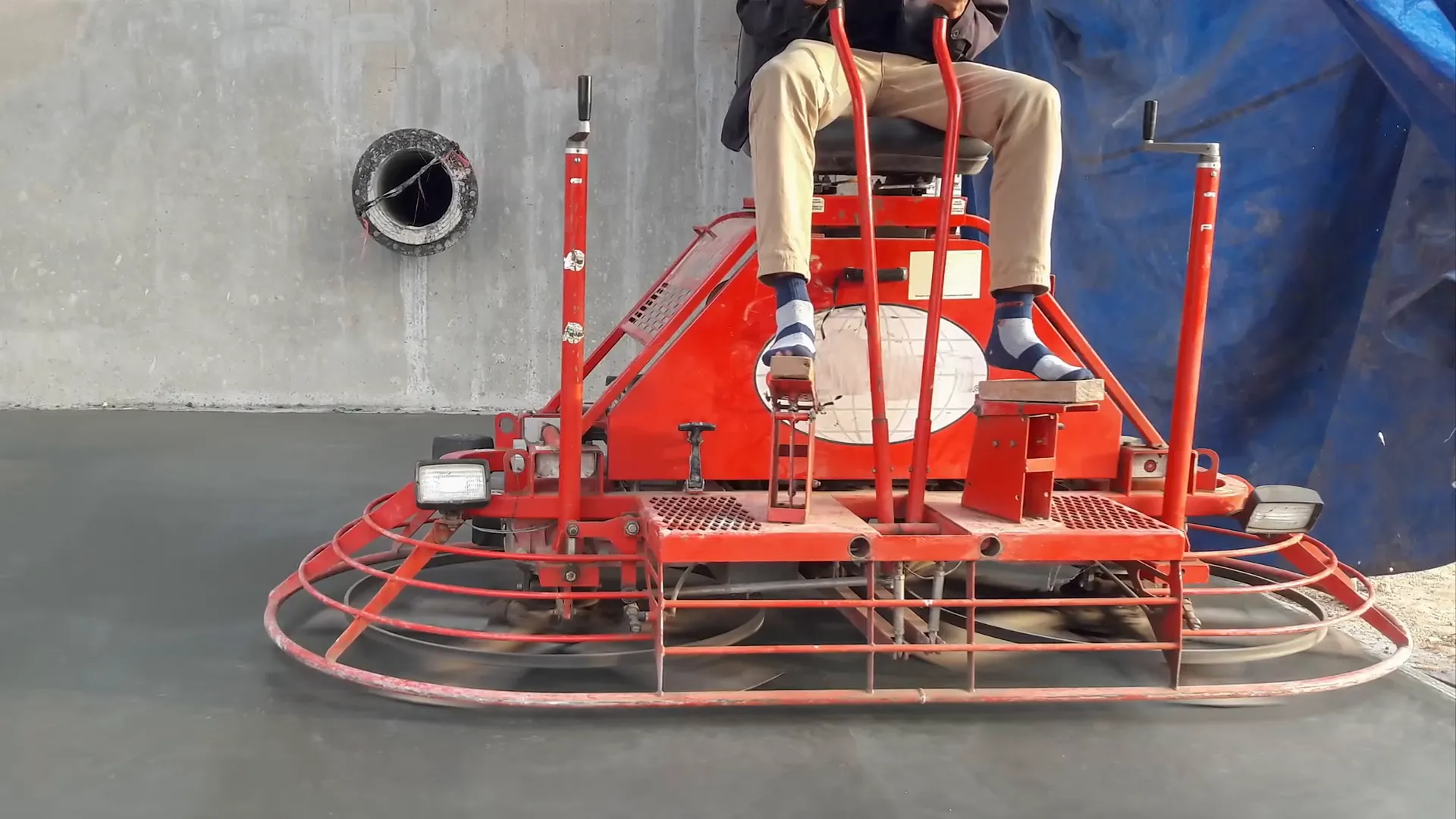
While finishing concrete is usually manual, ride-on trowels speed up smoothing large slabs once the concrete starts to set.
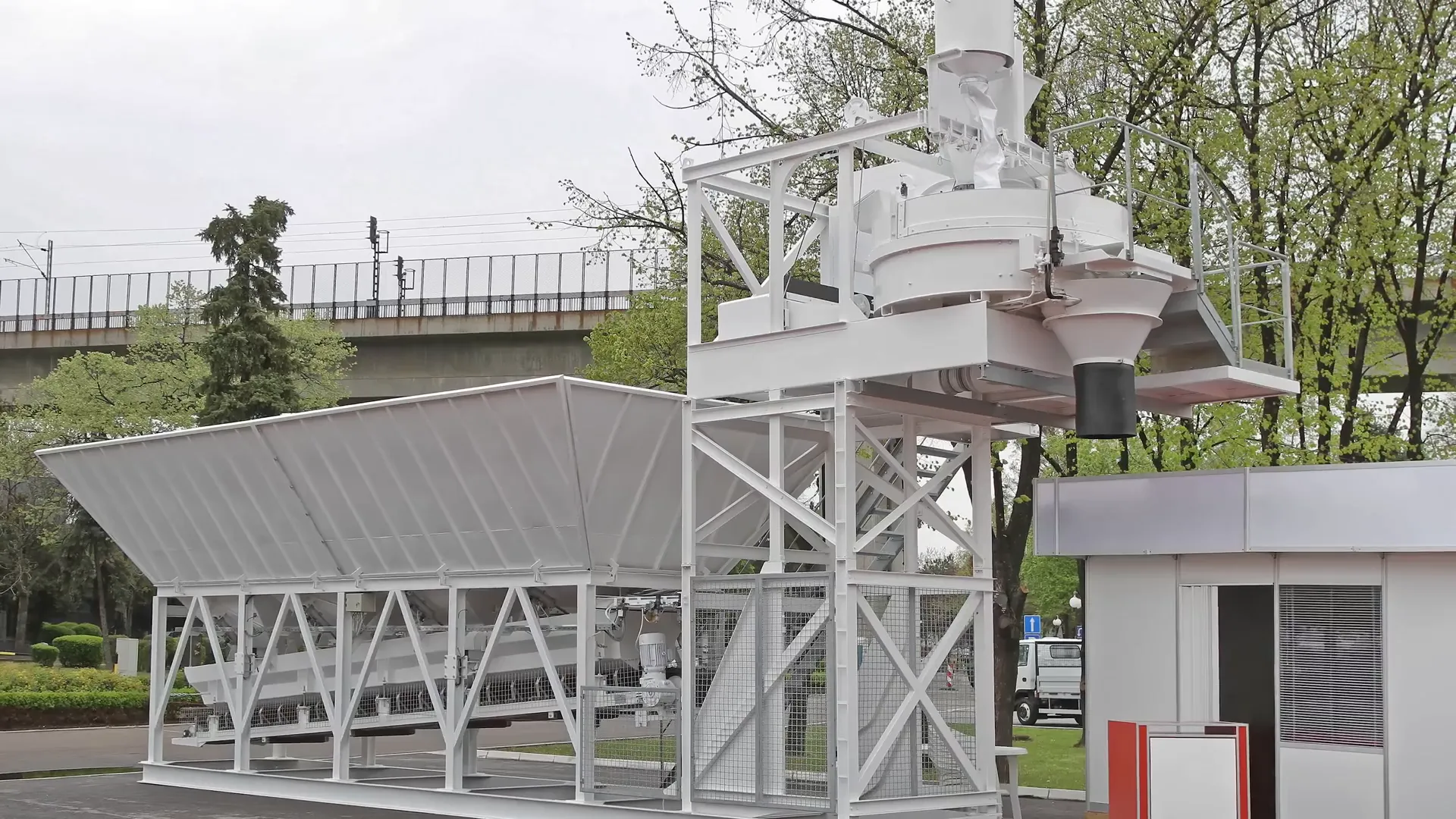
For large projects requiring continuous concrete supply, mobile batching plants mix concrete onsite, overcoming limitations of transport and timing.

Sometimes concrete needs to be applied to sloped or vertical surfaces for stabilization or construction. Shotcrete machines spray concrete using compressed air, a technique widely used in tunnels, rock faces, and even pools.
Specialized Machines for Utilities and Soil Stabilization
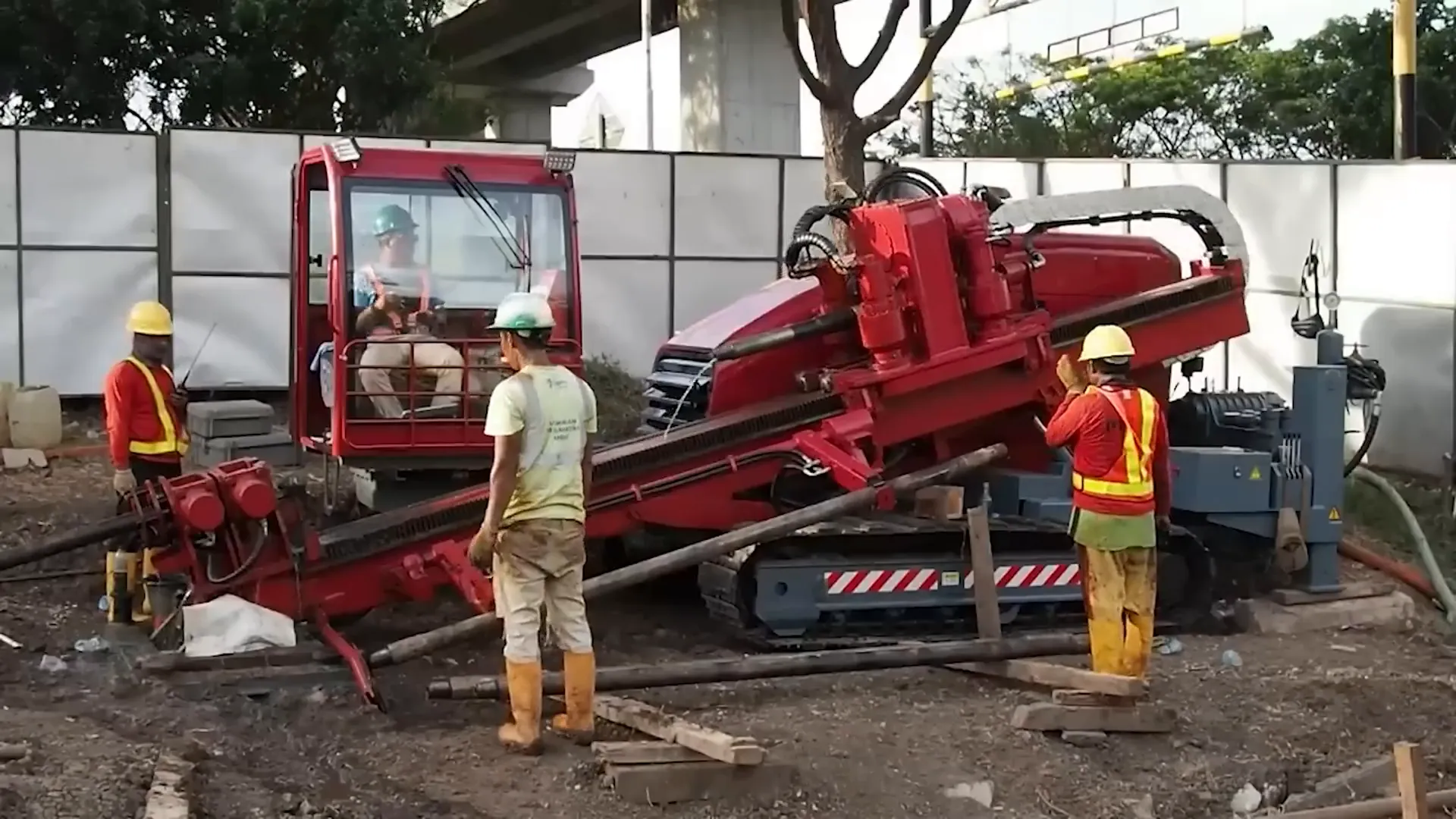
In urban areas where digging trenches is impractical, directional drilling machines install new or additional utility lines underground without disturbing the surface. These machines steer their drill bits precisely below ground.
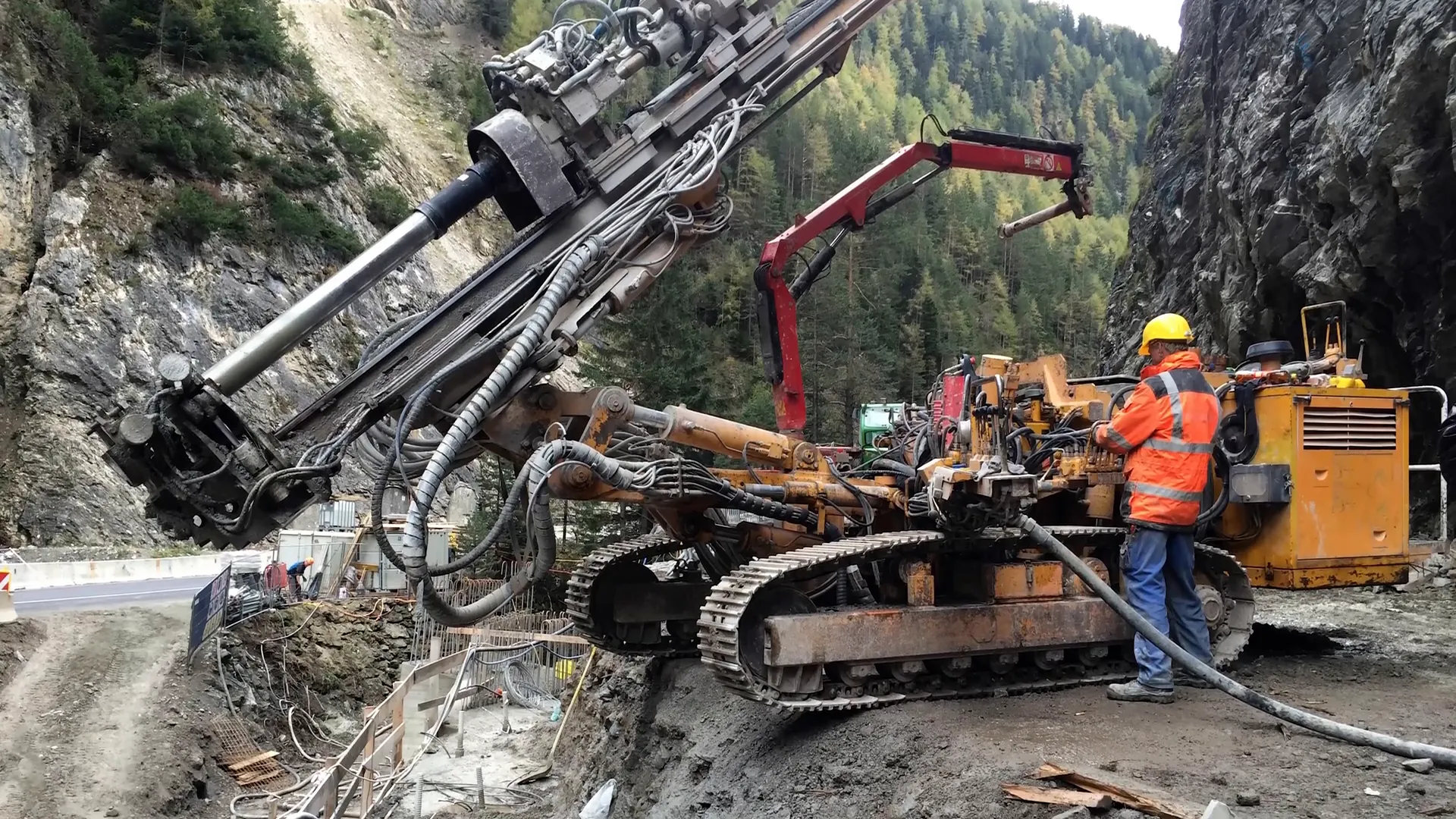
For slope stabilization, a soil nail rig drills horizontal shafts into earthen slopes, inserting soil nails that improve stability.
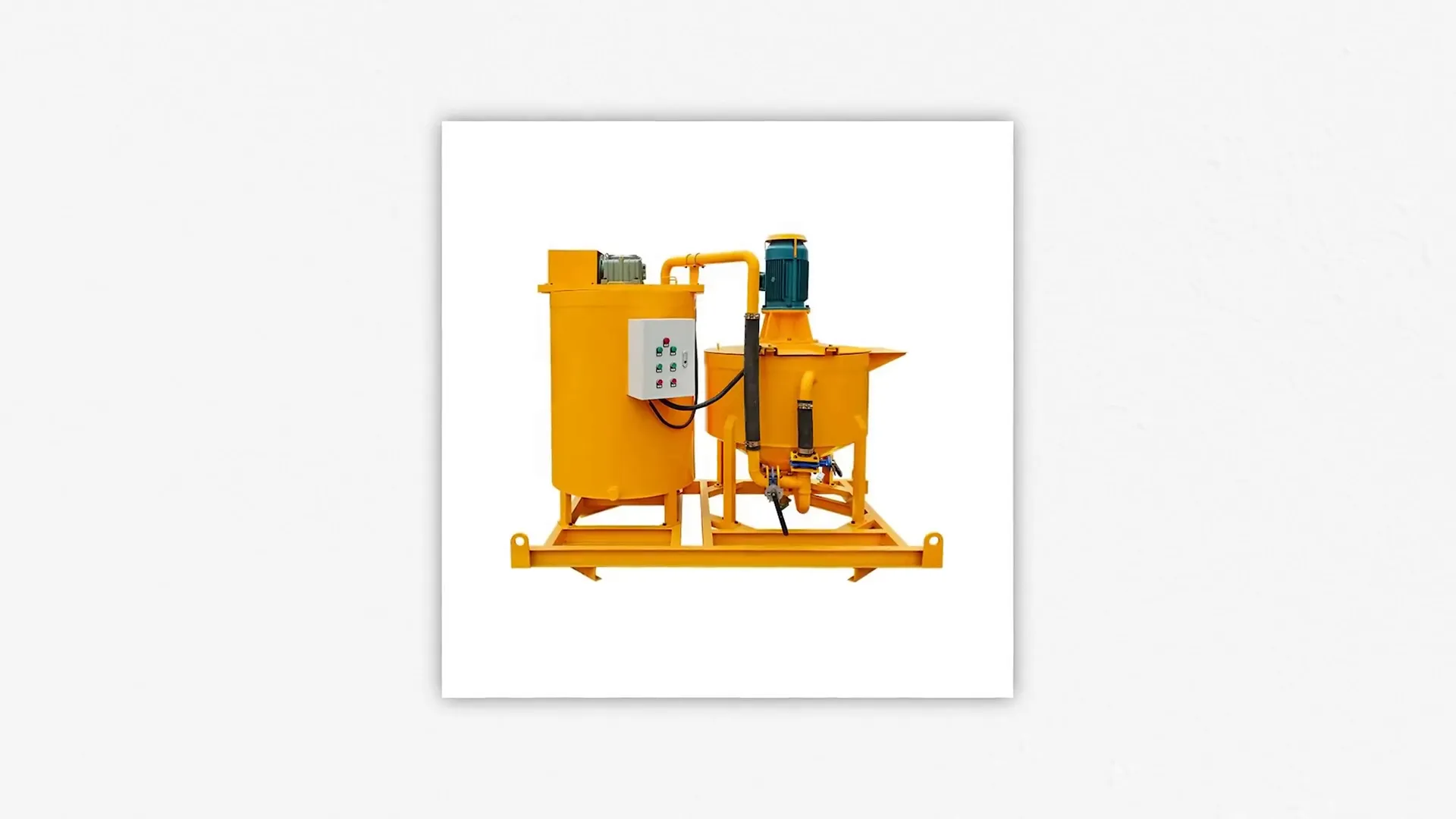
Grout plants mix and pump grout to fill voids or stabilize soils by injecting it under high pressure.
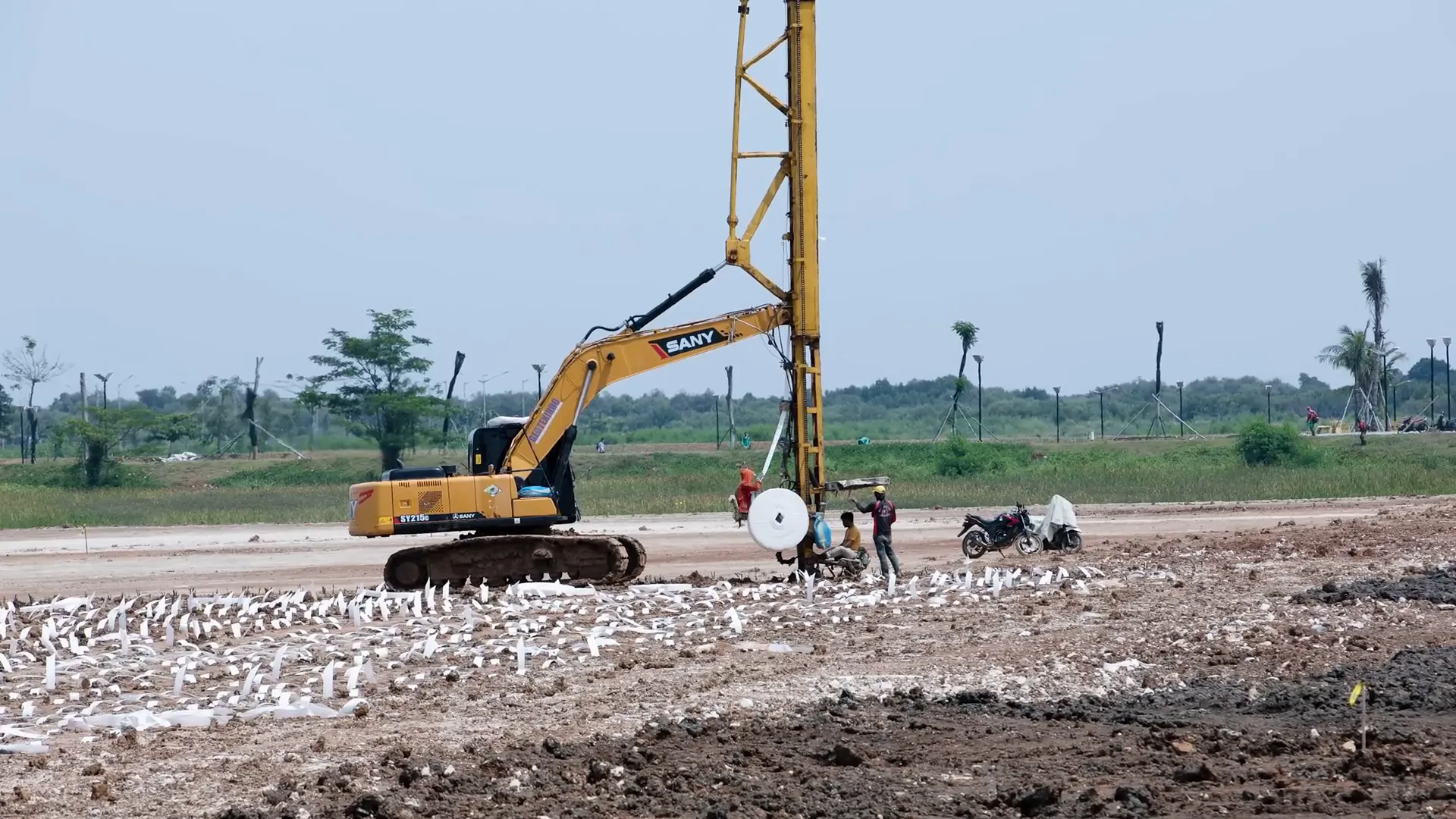
Wick drain machines install prefabricated vertical drains in clay soils to accelerate water drainage and soil settling, speeding up construction timelines.
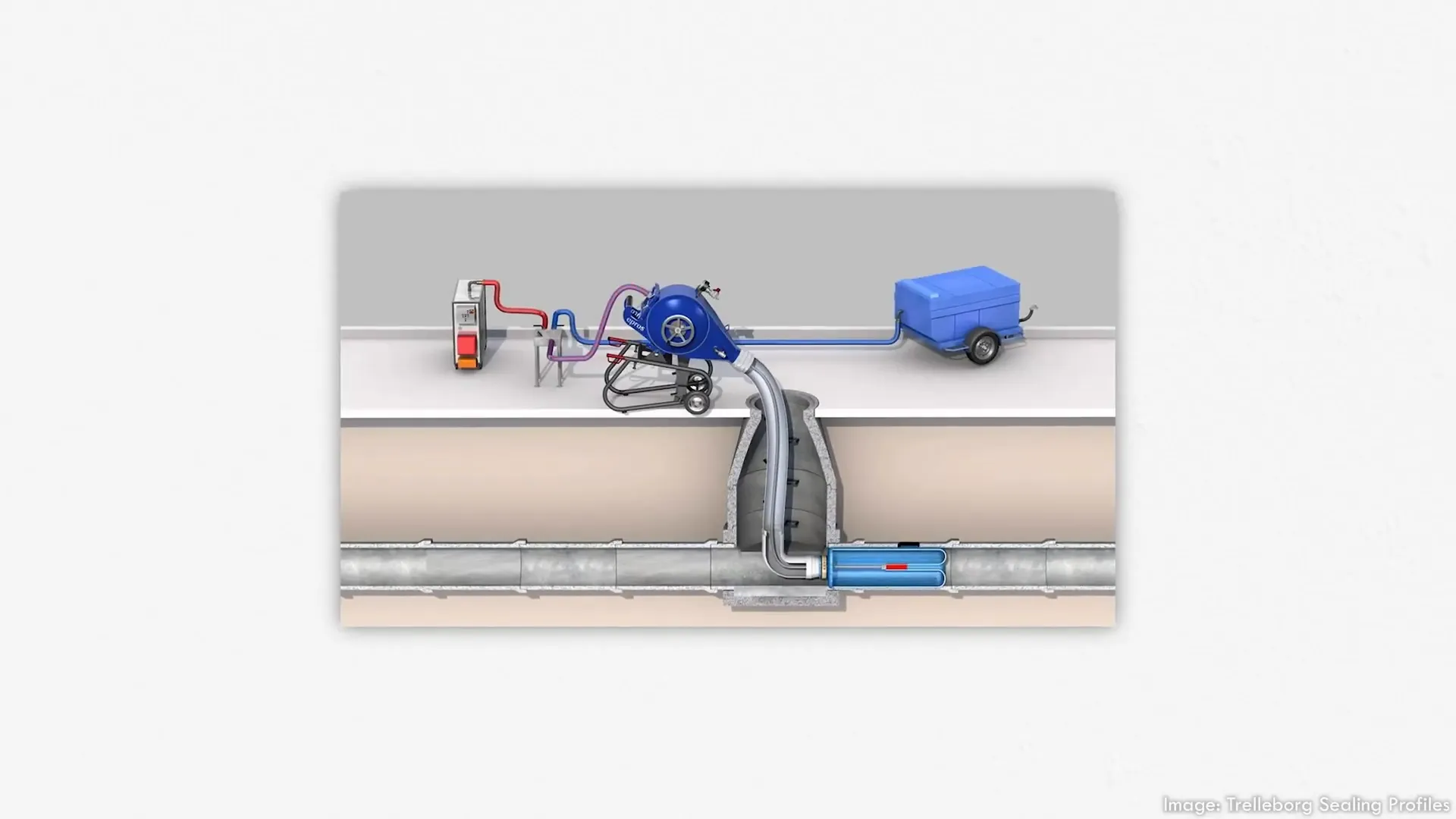
For repairing pipelines without excavation, cured-in-place pipe lining inverts an epoxy-impregnated liner into damaged pipes, creating a new pipe inside the old one using air pressure.
The Behemoth of Construction: Tunnel Boring Machines
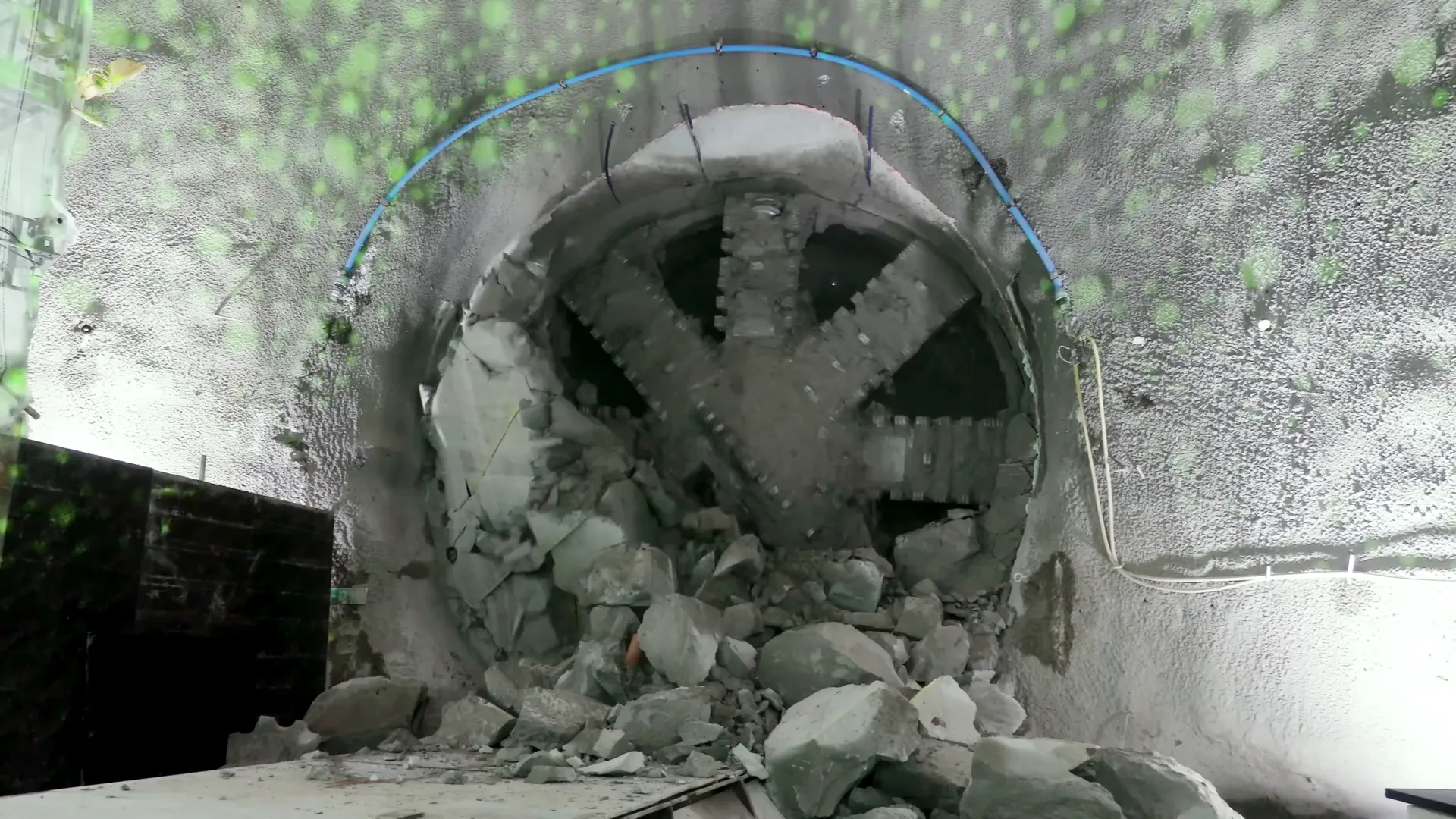
One of the most impressive and complex construction machines is the tunnel boring machine (TBM). These massive machines use a rotating cutting face combined with material removal systems and shoring installation to efficiently bore full-scale tunnels deep underground.
Final Thoughts on Construction Machinery
The construction industry is rich with machines designed to tackle specific tasks efficiently. From the smallest skid steer to the enormous tower crane or tunnel boring machine, each piece of equipment plays a crucial role in shaping our built environment.
These machines evolve continually, adapting to new challenges and technologies not only in construction but also in mining, oil and gas, and railroads. Whether you're a construction spotter or simply curious, recognizing these machines and understanding their purpose can deepen your appreciation for the incredible work they perform.
Every machine you see on a job site has been optimized for its task, reflecting a balance between power, precision, and efficiency. So next time you pass a construction site, take a moment to identify the machines at work—you might just discover a new favorite.


