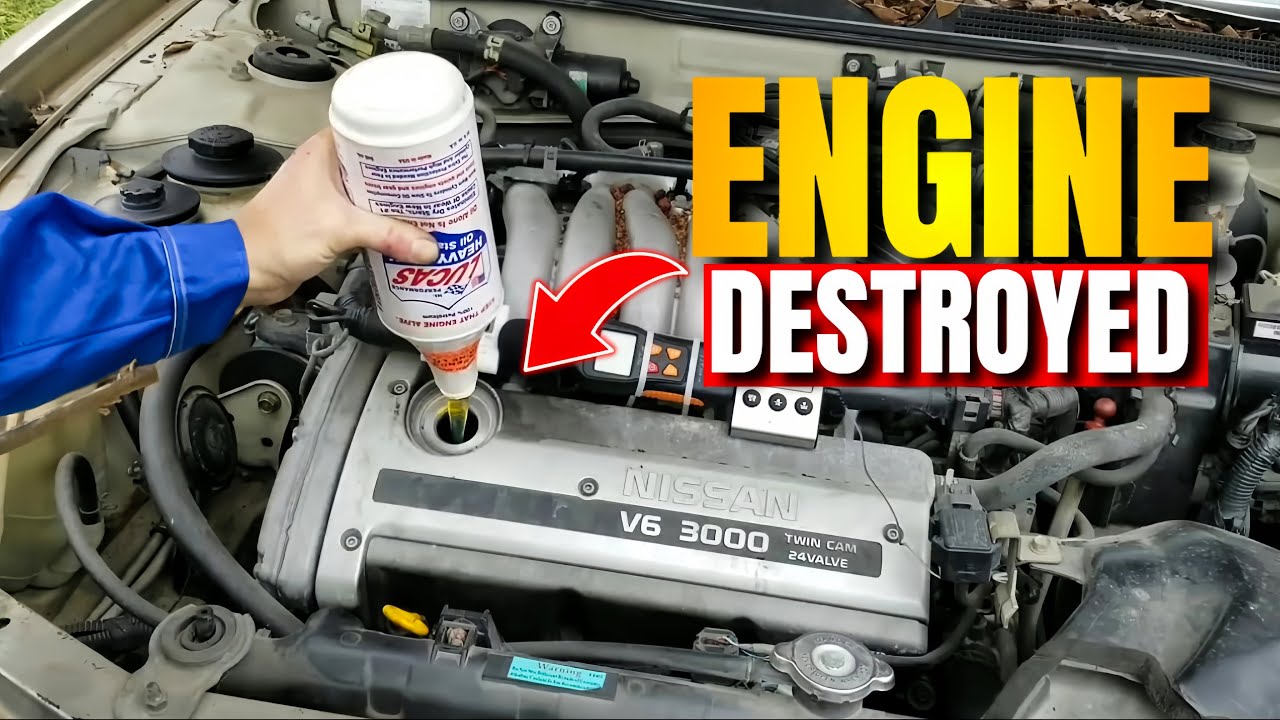
Why engine additives matter and how they actually work
Every year I hear the same marketing lines: restores engine power, boosts fuel economy by 20 percent, or makes an old motor run like new. Most of those claims are marketing. Some additives are legitimate tools that protect wear surfaces, dissolve carbon, and fix drivability problems. Others are snake oil that can do nothing or make things worse.
Additives are chemical compounds you add to oil, fuel, or coolant to improve performance, reduce wear, neutralize acids, or clean internal parts. The trick is knowing which chemistries are proven and when to use them.

Top 10 engine additives that actually work
Below are additives and product types I trust, why they work, and when to use them.
1. Liqui Moly MoS2 Anti-Friction Engine Treatment
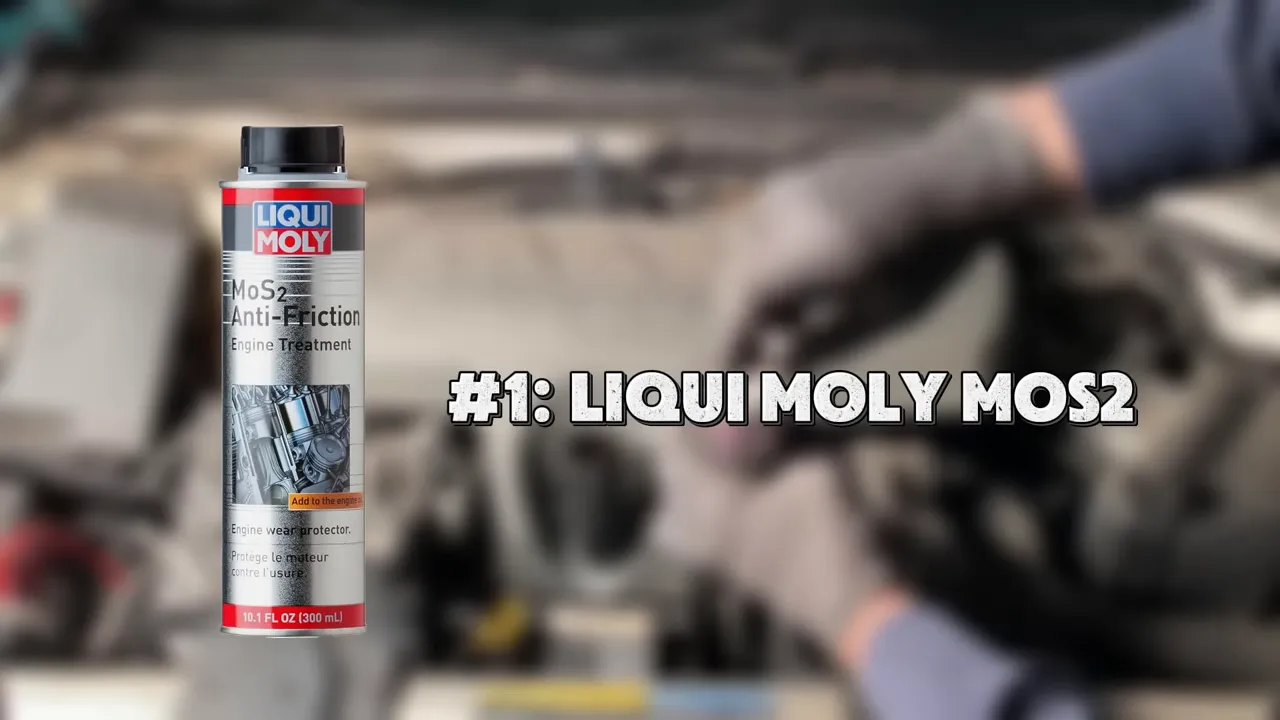
What it does: Uses molybdenum disulfide to reduce metal-to-metal friction.
Why it works: MoS2 forms a microscopic, solid lubricant layer on surfaces. That lowers wear, reduces operating temperature, and can improve fuel economy on worn engines.
Pro tip: Add during oil changes. Best for high-mileage or older engines. This chemistry has a long history of use in taxi and fleet applications.
2. Seafoam Motor Treatment
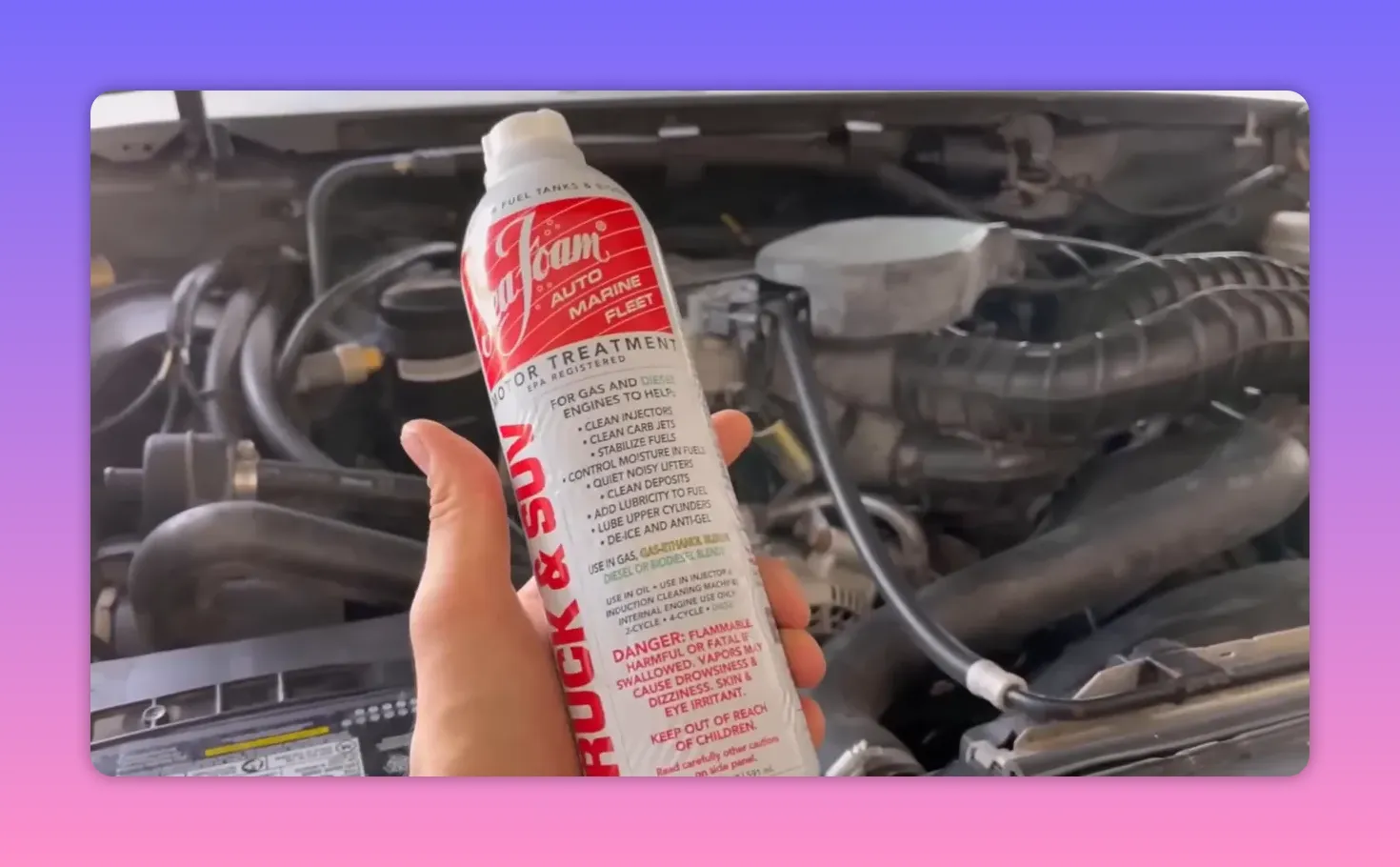
What it does: Cleans fuel injectors, carburetor jets, intake valves, and helps lubricate upper cylinders.
Why it works: The petroleum-based formula dissolves carbon and varnish. It can be used in the fuel tank, crankcase, or through a vacuum line. Follow dosage carefully, because overuse can dilute oil.
3. Marvel Mystery Oil

What it does: Lubricates and cleans internal parts, helps free sticky valves and lifters.
Why it works: It is a detergent-lubricant blend. Owners have trusted it for decades on aircraft, diesels, and classic cars for its ability to prevent varnish and keep parts moving.
4. BG MOA Motor Oil Additive (or ASE-favorite oil boosters)
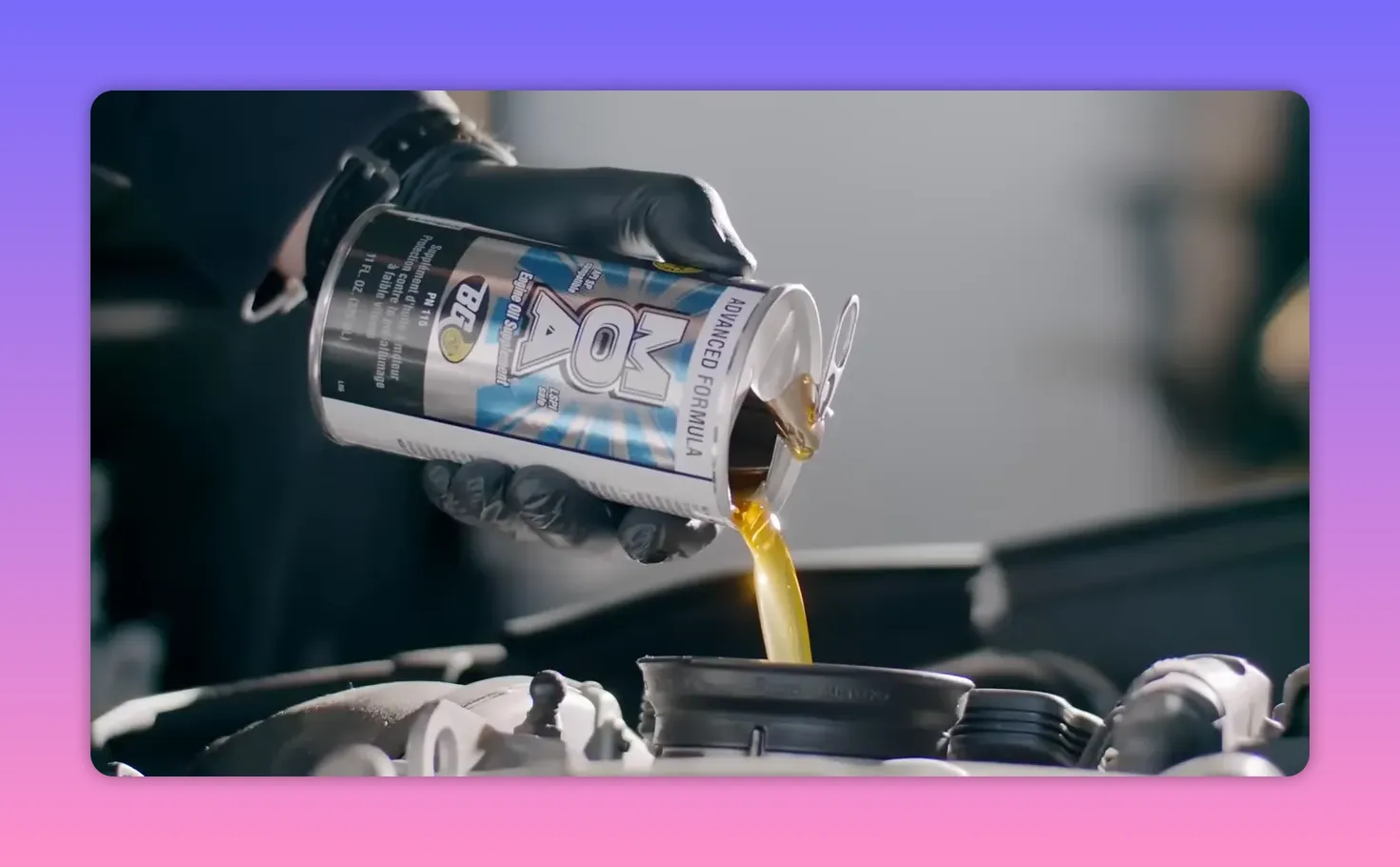
What it does: Boosts oil performance under high stress driving.
Why it works: These products stabilize viscosity, neutralize acids, and reduce deposits. Many professional shops favor them because of independent testing and consistent results.
5. Lucas Heavy Duty Oil Stabilizer
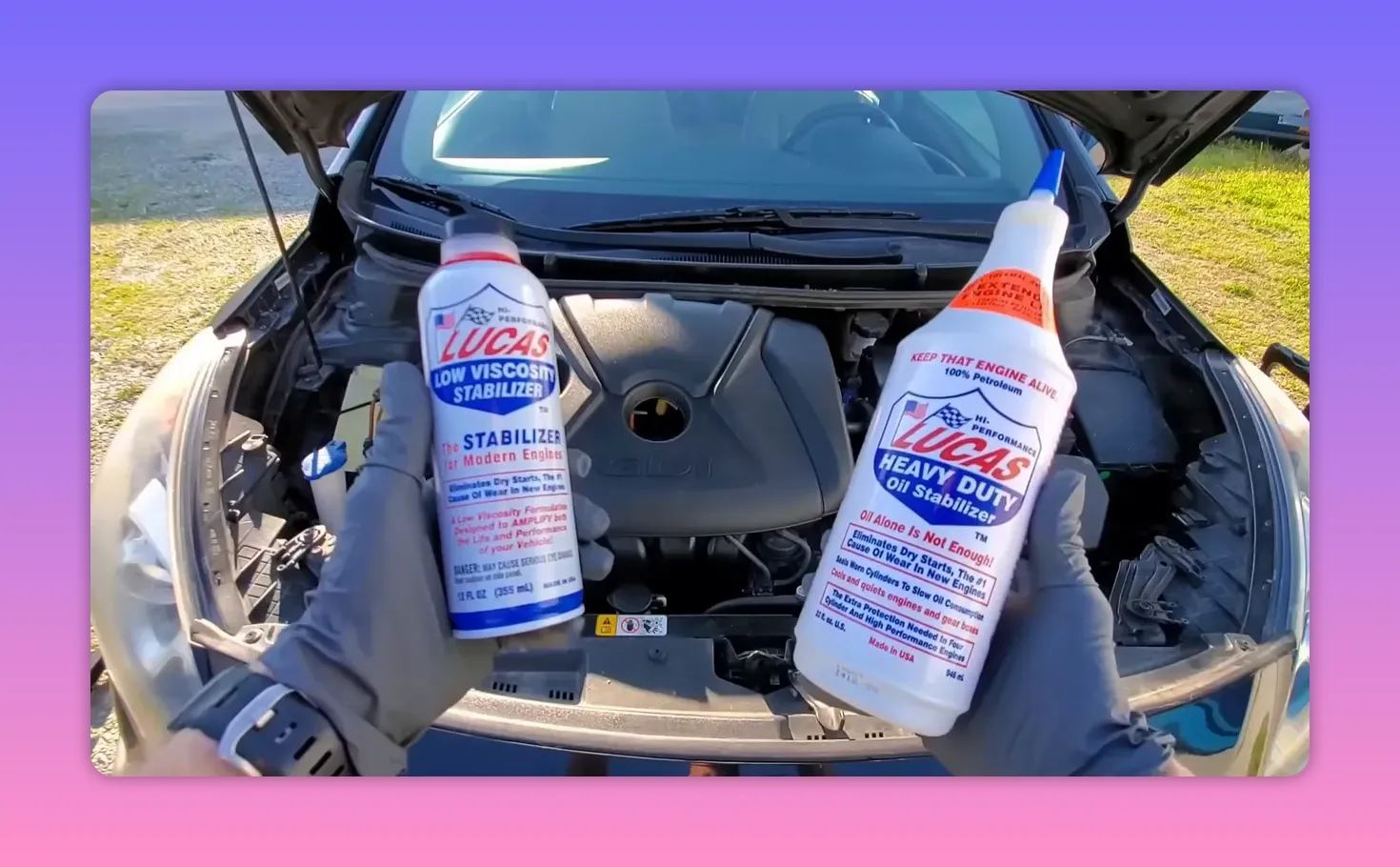
What it does: Reduces engine noise, lowers oil consumption, and reduces dry starts.
Why it works: It slightly thickens oil and conditions seals, which can help older engines with leaks or worn rings. Best for high-mileage trucks and classic cars.
6. Royal Purple Max-Clean Fuel System Cleaner
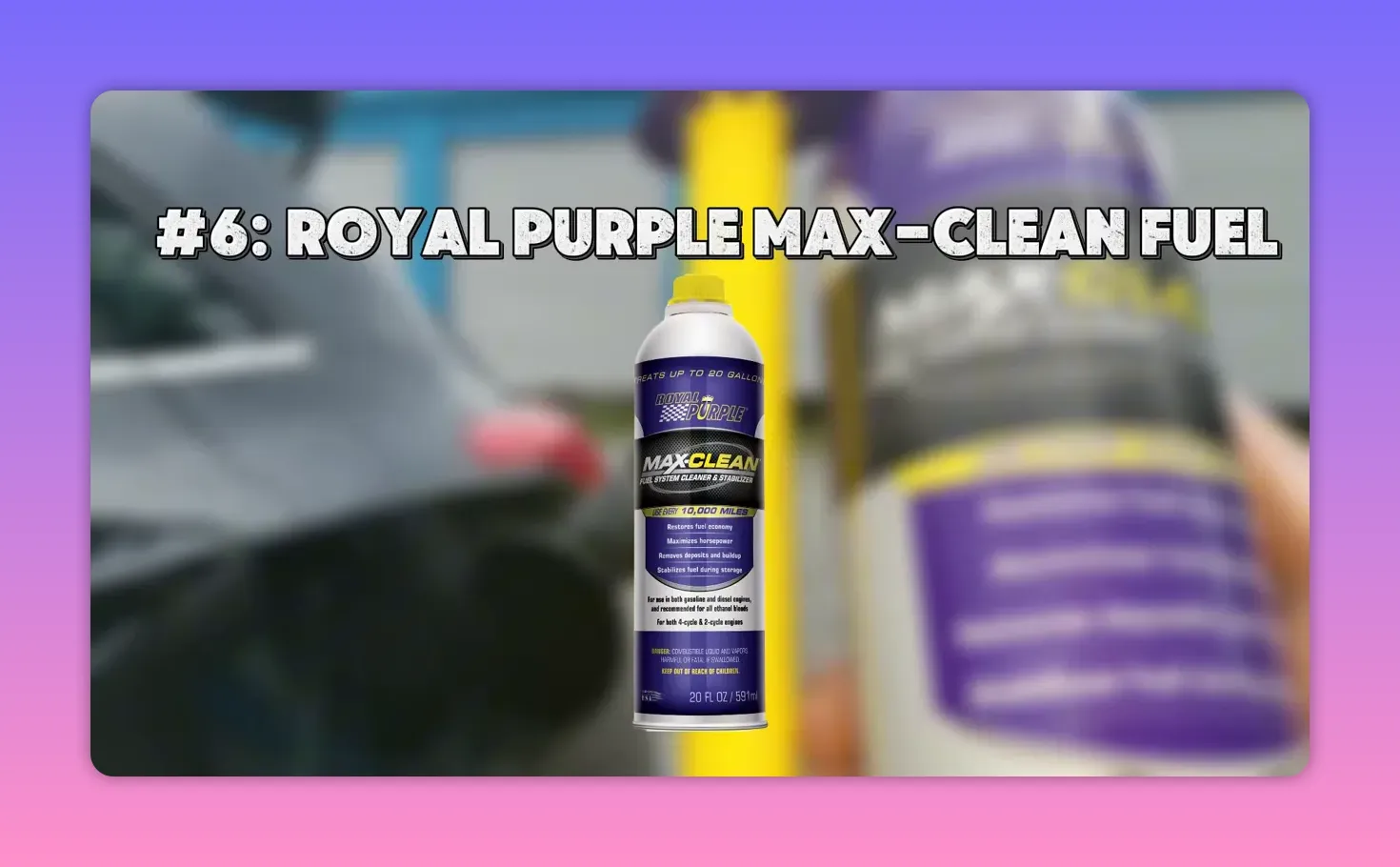
What it does: Cleans injectors, restores lost horsepower, and improves miles per gallon.
Why it works: Independent industry testing has shown fuel economy improvements and emission reductions. Use every 3,000 to 5,000 miles as a preventive measure.
7. AR9100 Friction Modifier (Arc Oil)
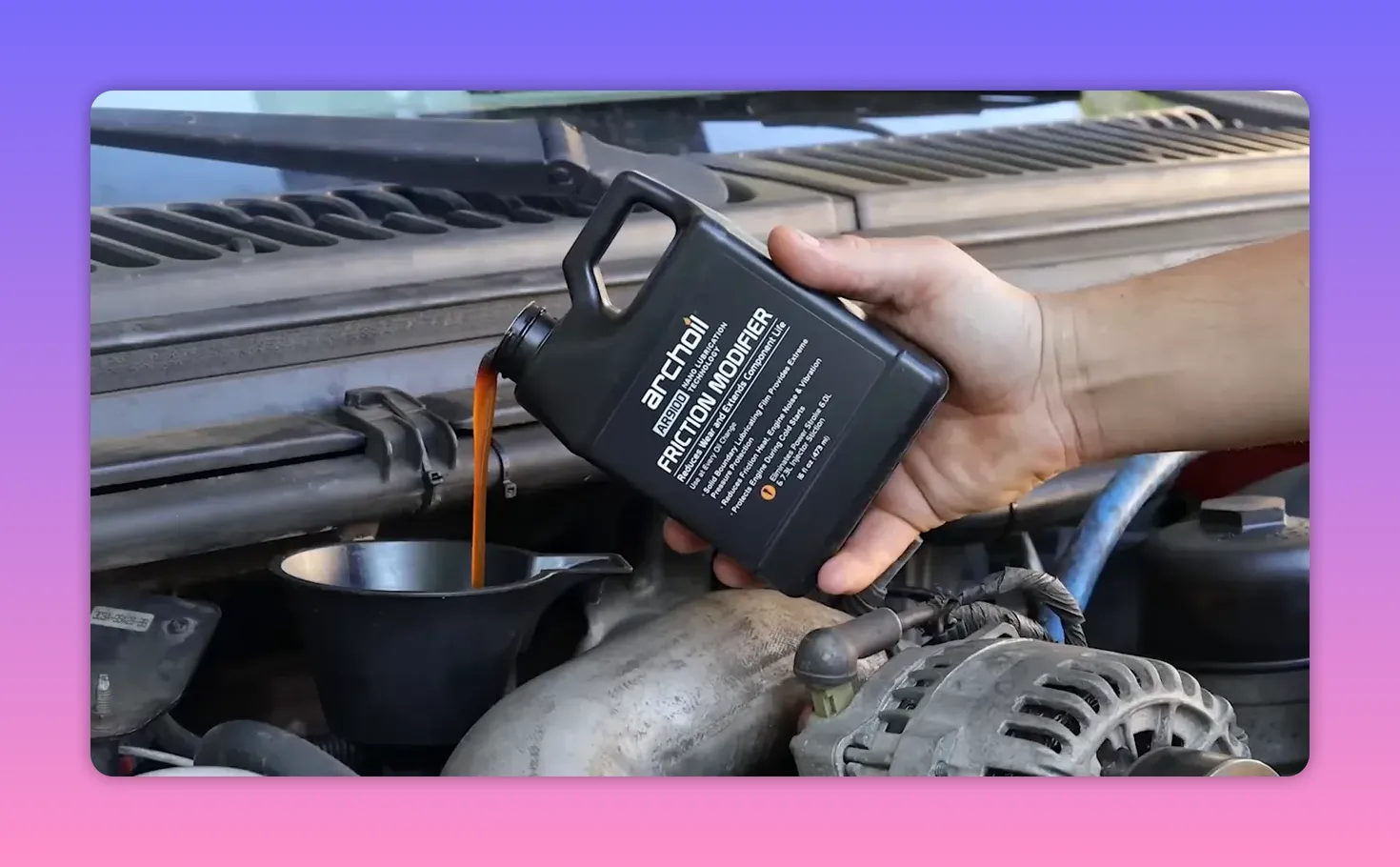
What it does: Great for diesel trucks, helps cold-start injector issues and reduces stiction.
Why it works: Boron-based lubricity agents improve fuel and injector lubrication, which matters a lot on Powerstroke 6.0 and similar engines. Also reduces engine noise.
8. Seafoam or Reisslone-style Engine Treatments for sludge and sticky lifters
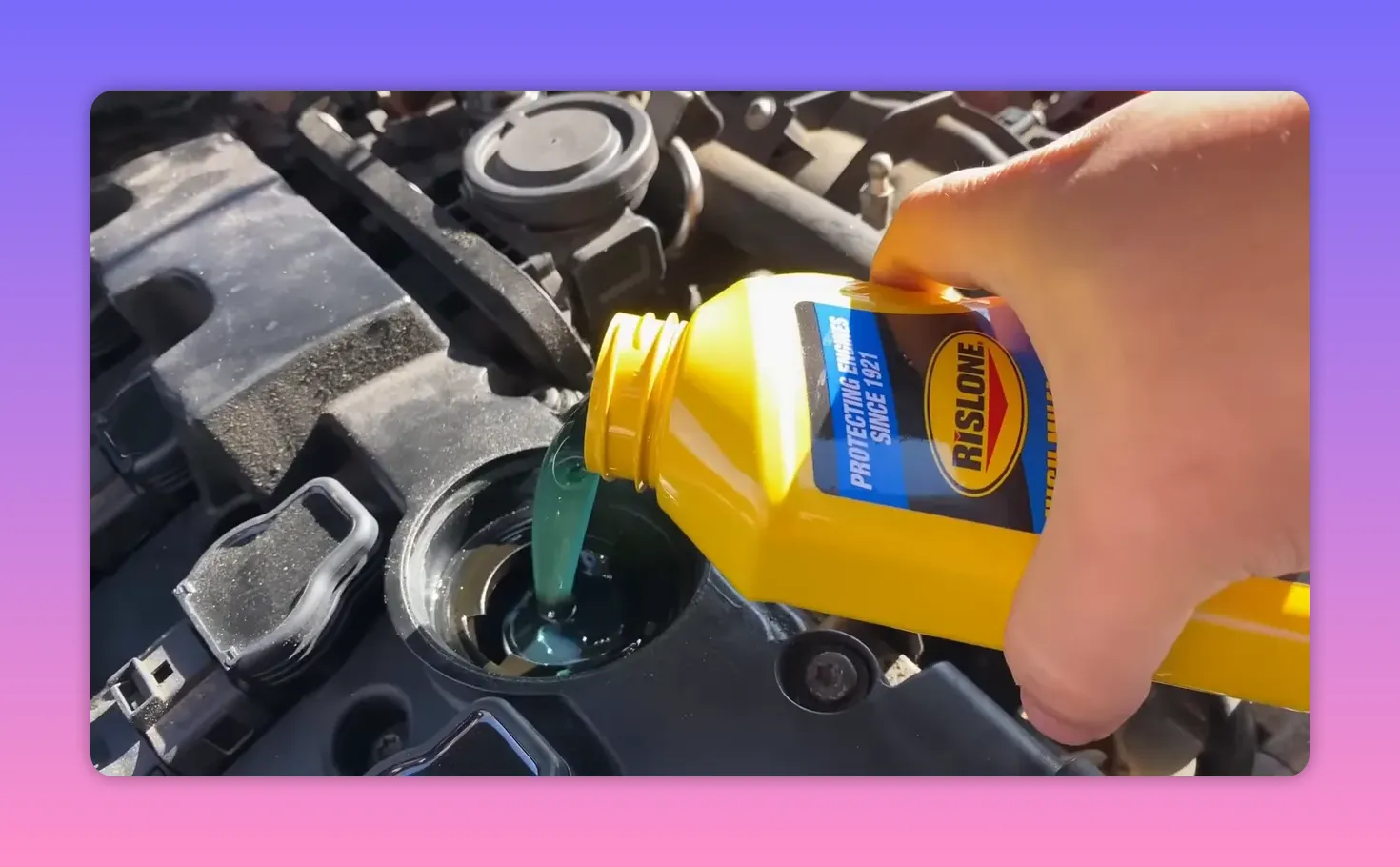
What it does: Breaks down sludge, frees sticky lifters, and improves oil flow in high-mileage engines.
Why it works: These treatments contain dispersants and solvents designed to dissolve carbon deposits from seals, lifters, and oil galleries. On noisy, high-mileage engines the improvement can be dramatic and may save you thousands by avoiding a rebuild.
9. Chevron Techron Concentrate Plus
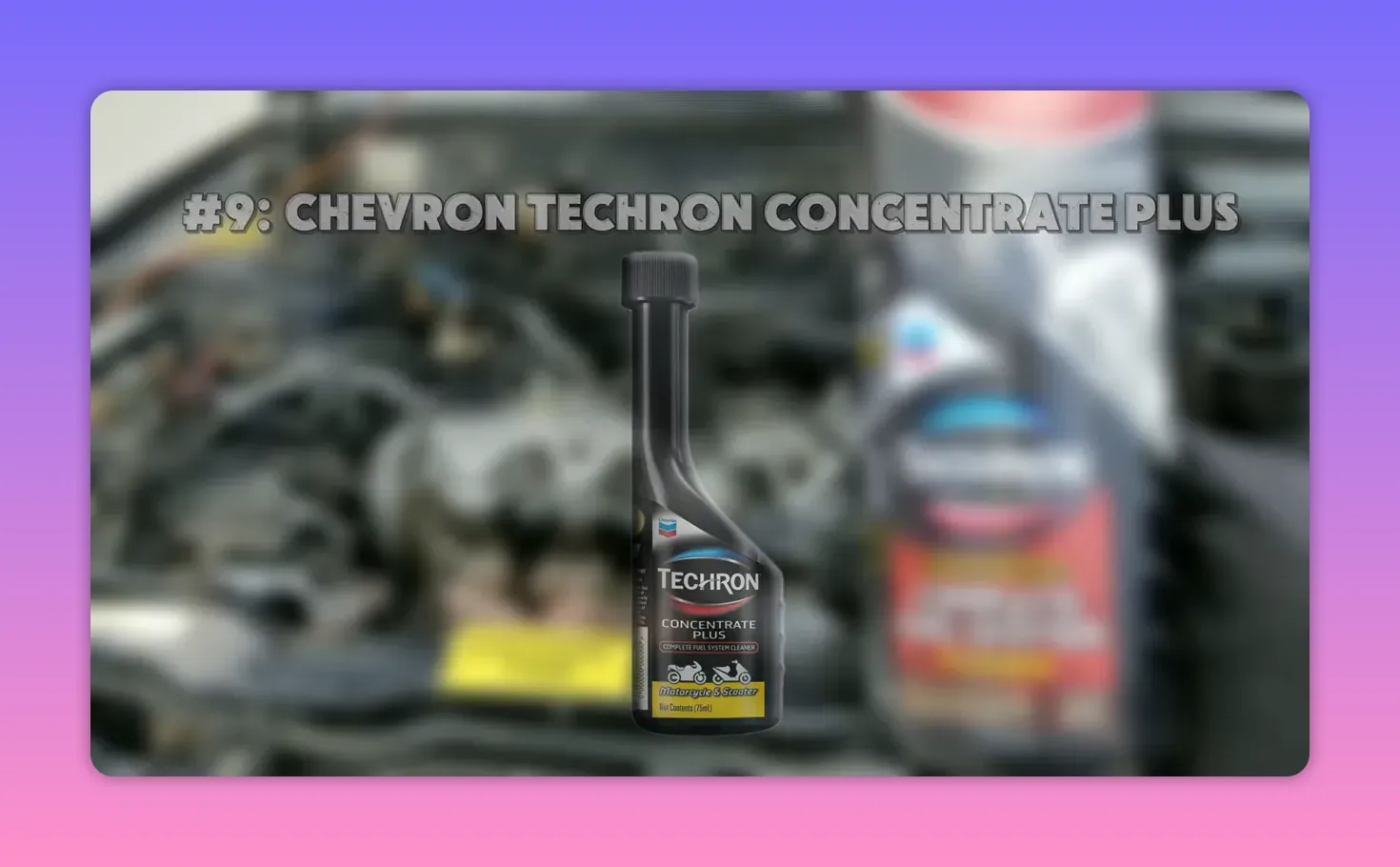
What it does: Restores lost power by cleaning the fuel system and combustion chambers.
Why it works: The active ingredient polyetheramine is proven to clean injectors and combustion deposits. Safe for gasoline and hybrid engines.
10. STP High Mileage Oil Treatment (ZDDP and seal conditioners)
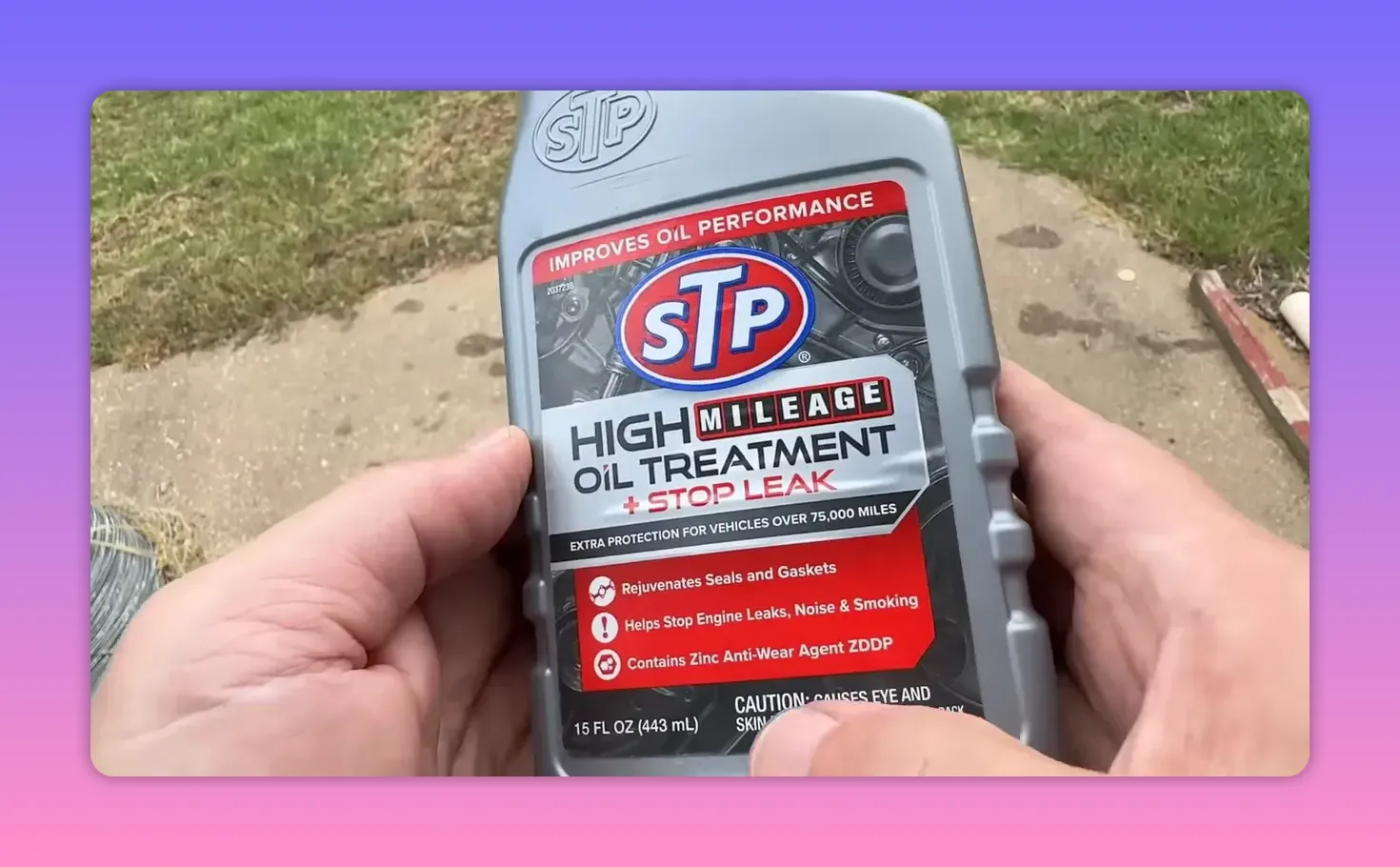
What it does: Conditions seals, reduces oil burn, and adds anti-wear chemistry.
Why it works: Adds zinc and phosphorus anti-wear compounds and light viscosity boosters that help older engines keep compression and stop smoking. Ideal for vehicles over 75,000 miles.
Five additives to avoid
Some products are actively harmful or simply useless. Avoid these categories.
-
Teflon-based oil additives (for example Slick 50)
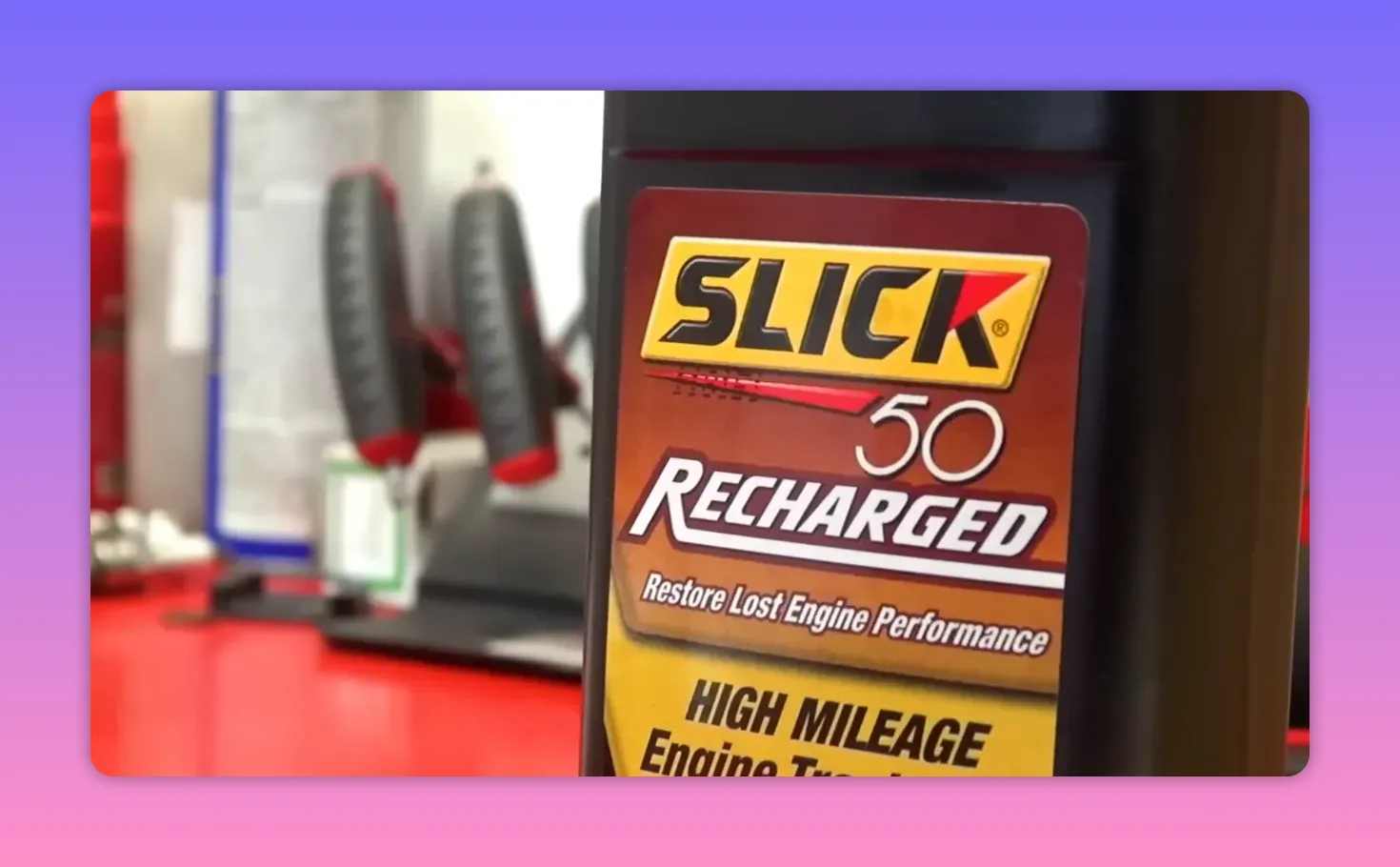
Slick 50 'Recharged' high‑mileage bottle — a clear example of the Teflon/PTFE additives I advise avoiding. Claim: PTFE creates a friction-free surface. Reality: Independent tests show PTFE particles do not properly bond and can clog filters and oil passages. These products may damage bearings and restrict oil flow.
-
Thickening agents marketed as engine rebuilders
Claim: Stop leaks and increase compression. Reality: They only thicken oil temporarily and can hide symptoms while accelerating wear. A band-aid, not a fix.
-
Magnetic oil drain plugs as an additive substitute
Claim: Capture metal shavings and extend engine life. Reality: They catch large flakes but miss soft metals, silt, and chemical contaminants. Useful for inspection, but not a substitute for proper additives and maintenance.
-
Over-the-counter octane boosters promising huge gains
Claim: Raise octane by many points and add horsepower. Reality: Most raise octane by 1 to 2 points at best. They are marketing hype unless you retune the engine for higher octane fuel.
-
"Water to gasoline" conversion additives
Claim: Turn water into burnable fuel. Reality: Impossible. No reputable lab supports this; avoid completely.
When to use additives
Additives are not magic. Use them strategically.
- High-mileage engines, especially over 100,000 miles.
- Engines with carbon buildup, rough idle, oil burning, or sticky lifters.
- If you run ethanol-heavy fuels like E10 or E15 and want to protect injectors and fuel lines.
- When the vehicle is out of warranty and you need an economical preventive step.
Do not use additives to try to fix major mechanical failures. Also avoid additives when the car is under warranty, since some automakers void coverage for aftermarket chemistry. If you already use a high-quality synthetic and change oil on a short interval, many additives become unnecessary.
Buyer’s guide for choosing quality additives

Look for independent testing and clear documentation. Good signals include ASTM, ISO, or SAE reports, and a published Material Safety Data Sheet. Favor products that use known chemistries such as molybdenum disulfide, ZDDP, boron-based lubricity agents, or polyetheramine for fuel system cleaning.
Avoid products with no MSDS, wild claims and no data, or multipurpose miracle formulas that promise to fix everything. If it sounds too good to be true, it is.
If it sounds too good to be true, it is.
What’s next for engine additives
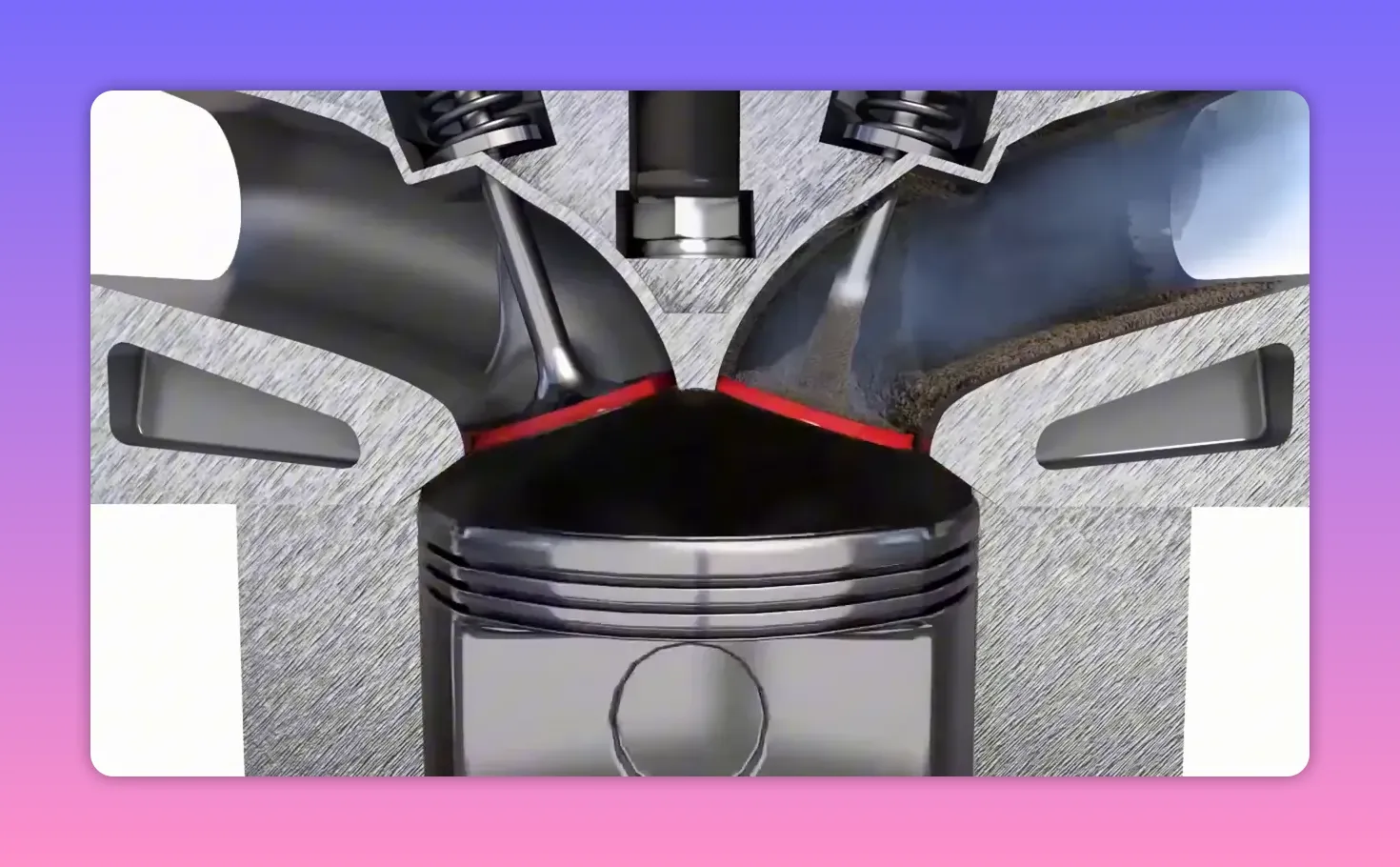
Modern engines are smaller and more stressed, with turbocharged four cylinders replacing older V6s. That increases oil stress and creates demand for better protective formulations.
Trends to watch include nanotechnology that bonds at the molecular level, OEM-approved supplements from reputable shops, eco-friendly biodegradable formulas, and additives tuned for hybrid systems and direct injection engines. Education matters. The drivers who understand their engines and choose the right chemistry will get the most life out of their machines.
Final notes
The right additive, in the right situation, can save real money and extend engine life. Use friction modifiers and anti-wear supplements on worn or high-mileage engines, fuel system cleaners to remove carbon and restore performance, and avoid unproven miracle products. When in doubt, ask a trusted mechanic and check independent test data before pouring anything into your engine.
Which additives have you tried and what did they do for your car? Share your experience to help others make smarter choices.


