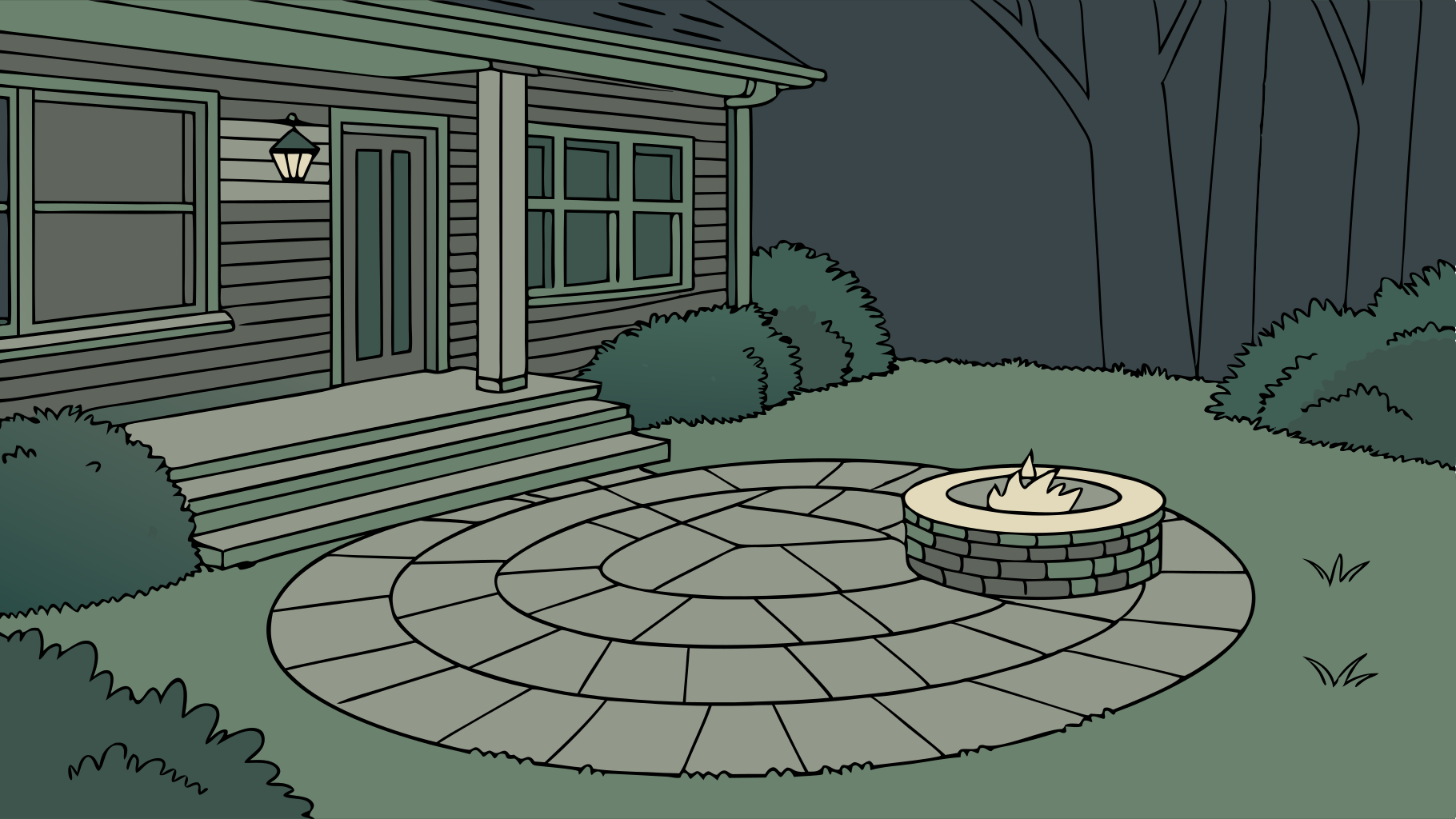
If you're wondering how to install a paver walkway or patio, you're in the right place. I recently took on the challenge of building a round outdoor fire pit patio from scratch, and while it was definitely a lot of hard work, the end result was well worth it. This article will walk you through every step of the process—from measuring and digging to laying the pavers and finishing touches—along with some lessons learned and tips to make your project smoother.
Planning and Measuring Your Patio Space
The first step was figuring out exactly where and how big I wanted the patio to be. I spray painted a circle right in my backyard to visualize the space. Initially, I marked an 11-foot diameter circle, but after calculating the size of the fire pit and the surrounding pavers, it felt a bit small. So, I ordered extra pavers and enlarged the circle to a 12.5-foot diameter. This gave me some much-needed leeway when laying the stones.
Digging and Preparing the Base
Before laying any pavers, I had to dig up all the grass and dirt to create a solid foundation. Since the base requires about four inches of gravel mix and one inch of sand, I dug down approximately seven inches. Removing the sod was a relatively straightforward but physically demanding task. Pro tip: wear shoes you don't mind getting muddy—digging up a lawn is a messy business.
After removing the sod, I measured carefully and dug deeper to reach the required depth. My nephew showed up to help, which sped things up significantly. Once the area was clear and raked smooth, I tamped down the dirt with a hand tamper to create a firm surface.
Laying and Compacting the Gravel Base
Next came the gravel base, which is crucial for drainage and stability. We dumped a two to three-inch layer of gravel mix into the circle—about five wheelbarrows’ worth—and tamped it down. We repeated this process three times until we reached a full four inches of compacted gravel.
Bro Tip: Renting a mechanical compactor from a hardware store like Home Depot or Lowe’s can save you a lot of time and effort. It costs around $65 for four hours and makes compacting much easier and more uniform than doing it by hand.
Adding the Sand Layer
On top of the gravel, a one-inch layer of sand is necessary to help the pavers settle evenly. To get the depth right, most folks use one-inch conduit as a guide. I learned the hard way that the conduit’s outside diameter matters—ours was 1 3/8 inches, which meant I had to dig it slightly into the ground to keep the sand level. We poured the sand into the circle and raked it smooth, then used a long 2x4 board to screed the sand flat from the center outward.
Initially, we considered using string tied to stakes for leveling, but it ended up being more of a hassle than a help, so we scrapped that idea.
Laying the Pavers: Starting from the Center
Because the patio kit was circular, we had to start laying pavers from the center and work our way outward in rings. To avoid disturbing the sand, we created a temporary walkway across the conduit pipes and carefully measured to find the exact center. The kit included four different paver shapes—thin wedge, thick wedge, rectangle, and square—plus a special center paver.
At first, I hammered the pavers into the sand to set them, but we ended up repositioning them a lot, so it was more efficient to lay them loosely and adjust as needed. The first ring was easy, but the second ring presented some challenges, especially around spacing. The instructions recommended leaving 3/8 to 1/2 inch gaps between pavers, but I preferred them closer together for a cleaner look. This caused some odd-shaped gaps that required slight adjustments to fit the final pavers.
Having an assistant to hand you pavers is a game changer, especially when you’re working from the center outward. It saves trips back and forth and speeds up the process.
Removing Guides and Expanding the Patio
As we laid more rings, we removed the conduit guides and filled those spots with sand to keep the surface even. We continued expanding the patio until we reached the ninth ring, at which point our brains were fried and we called it a day.
Overcoming the Biggest Mistake: Pavers Upside Down
Late that evening, I realized I’d made a major mistake: about 90% of the pavers were upside down! The kit included stamped concrete pavers with a textured, cobblestone-like surface that was supposed to face up, but I’d been laying them with the smooth side up.
After some thought, I decided to fix it properly. This meant going back and flipping every single paver over. Fortunately, it only took about 20 minutes, and the difference was incredible. The stamped sides added detail and brought out the colors in the stone, making the patio look much more authentic and visually appealing.
Finishing the Patio with a Border and Edging
To complete the patio, we added a final ring of 8-inch long border pavers purchased separately from the kit. This border not only finished the look but also added nearly a foot and a half more space around the patio—great for extra seating when hanging out around the fire pit.
We hammered the border pavers in place with a rubber mallet for stability. Ryan then installed black plastic paver edging around the circle to keep everything locked in. After that, we spread sand over the patio and swept it into the cracks between the pavers.
Note: Don’t dump too much sand at once—it's better to work in sections to avoid wasting sand and shoveling it back. Spraying the patio with water helped the sand settle into the joints, locking the pavers firmly in place. The combination of sand and gravel beneath also ensures excellent drainage, so water quickly soaks through.
Building the Fire Pit
The fire pit was a breeze compared to the patio. We placed the fire pit ring in the center and stacked three layers of fire pit blocks that matched the patio’s pavers perfectly. The stones fit together quickly, and we topped it off with custom concrete caps tinted a light pewter color by a local artist. These caps gave the fire pit a polished, finished look that tied everything together beautifully.
Final Adjustments and Reflections
After completing the fire pit, I checked the patio for any uneven pavers using a 2x4 board. Any paver that caused the board to spin was hammered down to sit flush with its neighbors. This simple technique helped ensure a smooth walking surface.
Finally, I locked in the remaining sand between the pavers using a tamper and broom, making sure everything was solid and secure.
Conclusion
Building this outdoor fire pit patio was a rewarding project that combined physical labor, problem-solving, and creativity. If you’re tackling your own paver walkway or patio, remember:
- Measure carefully and allow extra space for adjustments.
- Dig deep enough to accommodate a strong gravel and sand base.
- Rent a compactor to save time and effort.
- Pay attention to paver orientation for the best aesthetic.
- Have an assistant to help hand you materials.
- Work in manageable sections, especially when sweeping sand into joints.
With patience and the right approach, you can build a beautiful, durable patio that transforms your outdoor space, just like I did with my fire pit patio. Ready to get started? Now you know exactly how to install a paver walkway and create a backyard centerpiece that’s perfect for relaxing and entertaining.


