
If you've ever wondered why some cars seem to clock half a million miles without breaking down, the answer isn't luck—it's habits. According to Car Guide, over 75% of major vehicle breakdowns stem from bad maintenance practices. But what if you could break that pattern and keep your car's engine, transmission, and suspension running like new for more than 500,000 miles without a major repair? This article reveals twelve expert-backed habits that can help you do just that. Plus, at the end, you'll discover a simple one-minute trick fleet mechanics use to detect costly problems before they spiral out of control.
🛡️ Defend Your Undercarriage from Rust
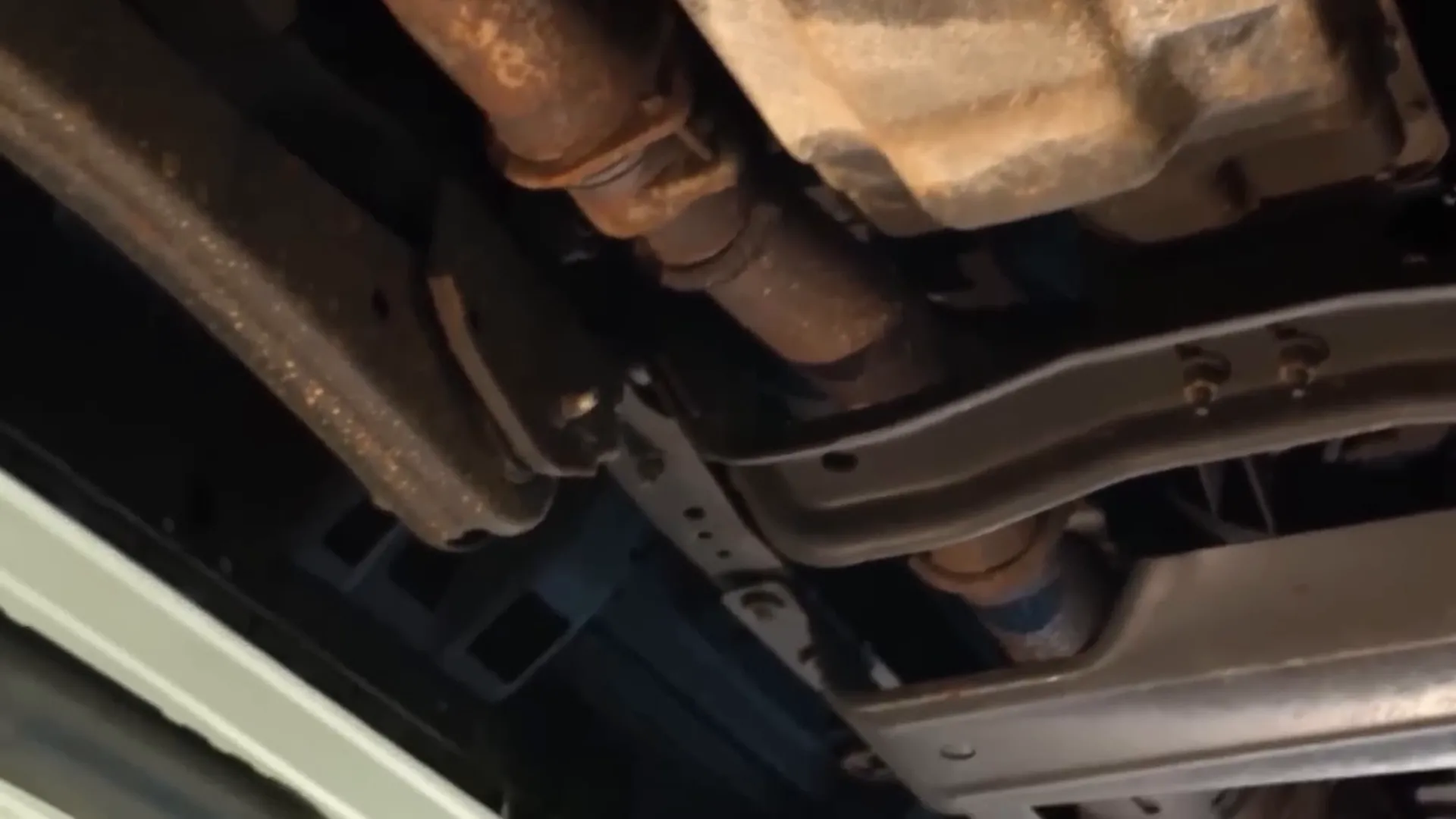
Most people think engine failures start under the hood, but often, the real damage begins underneath the car. Rust is a silent enemy, especially in winter climates or coastal areas where salt is prevalent on the roads. Salt combined with water acts like a supercharger for corrosion by accelerating rust through electrochemical reactions.
Even a tiny chip in your car's undercoating can turn into a rust hole within a few seasons. Rust attacks critical components like brake lines, suspension mounts, and fuel tank straps, causing them to flake, crack, and eventually fail. Factory undercoatings only last between three and five years before they begin to chip, exposing bare metal to corrosion.
Smart car owners fight back with seasonal high-pressure washes, especially after snowstorms or exposure to salt. Many apply oil-based undercoatings that penetrate seams to stop rust in its tracks, just like commercial fleets do. These fleets often reach 300,000 miles and beyond without ever replacing their frames.
If you're serious about reaching 500,000 miles, don't just focus on oil changes—protect the steel that holds your car together. Because once the frame rusts out, the rest of your vehicle doesn't matter.
🚗 Take a Weekly 20-Minute Highway Run
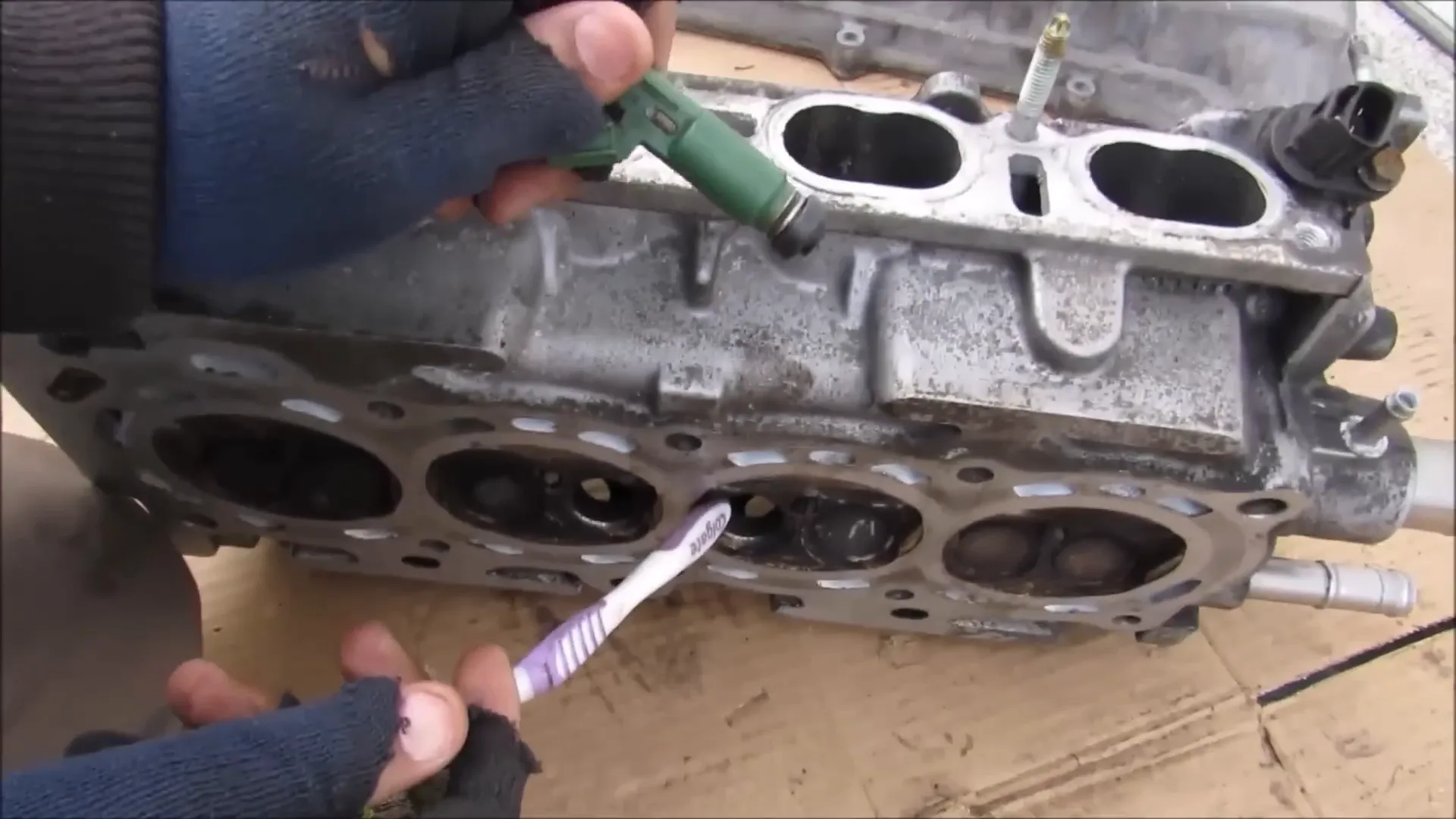
Short daily trips may be convenient, but they quietly sabotage your engine. Cold starts and brief drives prevent your oil, coolant, and exhaust system from reaching full operating temperature. This causes moisture, fuel, and sludge to build up inside your engine, especially in the oil pan, cylinder walls, and PCV system.
Every time you shut off the engine before it warms up thoroughly, condensation forms inside. This water dilutes the oil, reducing its ability to protect moving parts. Unburned fuel from cold starts turns your crankcase into a chemical soup that eats away at bearings and piston rings.
Lubricant labs confirm that fuel stays in the oil after short trips and only purges with prolonged, hot engine operation. Even the PCV system suffers, with fuel-rich blow-by gases condensing into black sludge that clogs oil separators and valves. Subaru technicians have pulled PCV hoses packed with goo from cars used only for winter city driving.
The fix is simple: once a week, take your car on a 20-30 minute highway drive at 60-70 mph. This thoroughly heats the oil, intake, exhaust, and PCV lines, evaporating water and burning off fuel contamination. Mechanics consistently report cleaner oil samples and fewer top-end engine problems in vehicles with weekly highway miles.
This habit is free, takes less than half an hour, and cleans your engine from the inside out—no tools required.

⛽ Don't Drive on Fumes: Refuel at a Quarter Tank
Running your fuel tank too low may seem harmless, but it quietly shortens the life of your fuel pump. Modern fuel pumps are submerged inside the gas tank and rely on fuel to cool and lubricate them. When fuel dips below a quarter tank, the pump starts sucking air, causing overheating, seal wear, and excessive friction.
According to mechanics, pump overheating is the leading cause of early fuel pump failure. Replacing a pump can cost between $400 and $600 and leave you without your vehicle for a full day.
Low fuel levels also stir up sediment, rust, and moisture that have settled at the bottom of the tank. This debris clogs fuel filters and stresses injectors, leading to engine misfires, stalling, or even failure to start. Many drivers are caught off guard when their fuel system fails before 150,000 miles.
Fleet mechanics and manufacturers agree on one golden rule: never let your fuel drop below a quarter tank. Mazda even recommends refueling immediately when the low fuel light comes on.
Think of fuel like engine oil—not just as something to use, but something to protect. A $5 habit can save you a $600 repair and keep your engine fed, calm, and clean for hundreds of thousands of miles.
🛢️ Treat Power Steering Fluid Like Engine Oil
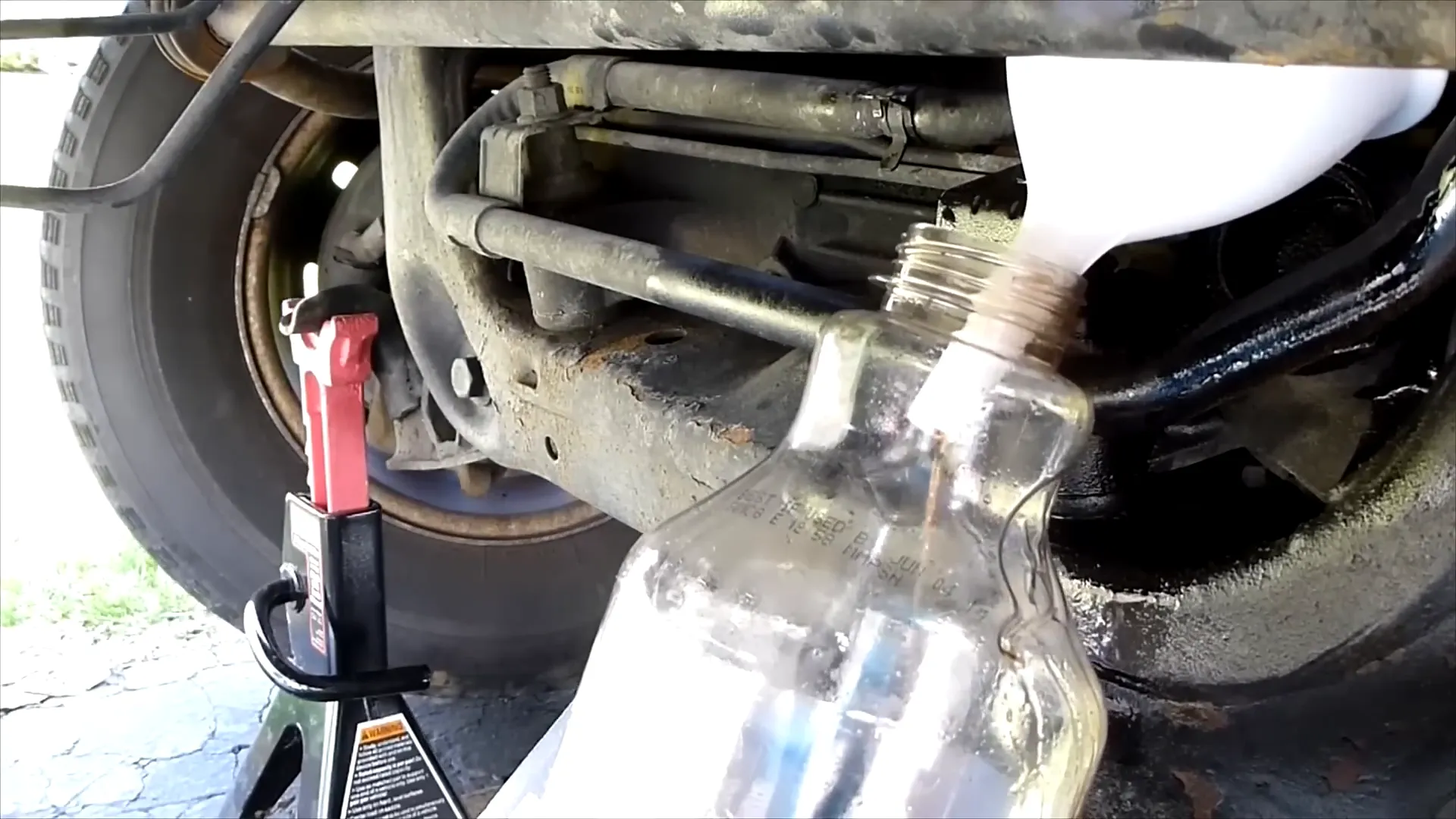
Many owner's manuals claim power steering fluid is "lifetime," but don't believe it. Power steering fluid functions like hydraulic oil—it heats up, accumulates debris, and breaks down over time.
Neglecting fluid changes leads to a $600 steering rack replacement before 200,000 miles. Mechanics recommend flushing power steering fluid every 30,000 to 50,000 miles. Old fluid becomes dark, gritty, and full of oxidized sludge, which stops lubricating and begins to damage seals and valves inside the pump and rack.
High-mileage shops often find metal particles floating in drained fluid, a sign of internal wear. Since the pump and rack endure significant work every time you turn the wheel, especially in parking lots, old fluid increases friction, heat, whining noises, leaks, and eventual failure.
Changing power steering fluid costs around $100, while a new rack can cost $400 to $700 plus labor. To avoid surprise repairs and keep your steering smooth past 500,000 miles, flush your power steering fluid on schedule and use the correct type.
⚙️ Change Differential and Transfer Case Oil Every 50,000 Miles
Your differential and transfer case house heavy metal gears that endure constant pressure and heat. Thick gear oil, often 75W90, protects these gears from grinding themselves to dust. Over time, this oil breaks down, picks up metal shavings, and loses viscosity, leaving your gears unprotected.
Signs of worn fluid include growling noises during turns and faint vibrations at highway speeds. Waiting too long to change the fluid can lead to pitted ring gears, overheated bearings, or a complete differential rebuild, which can cost $1,000 to $2,100 or more.
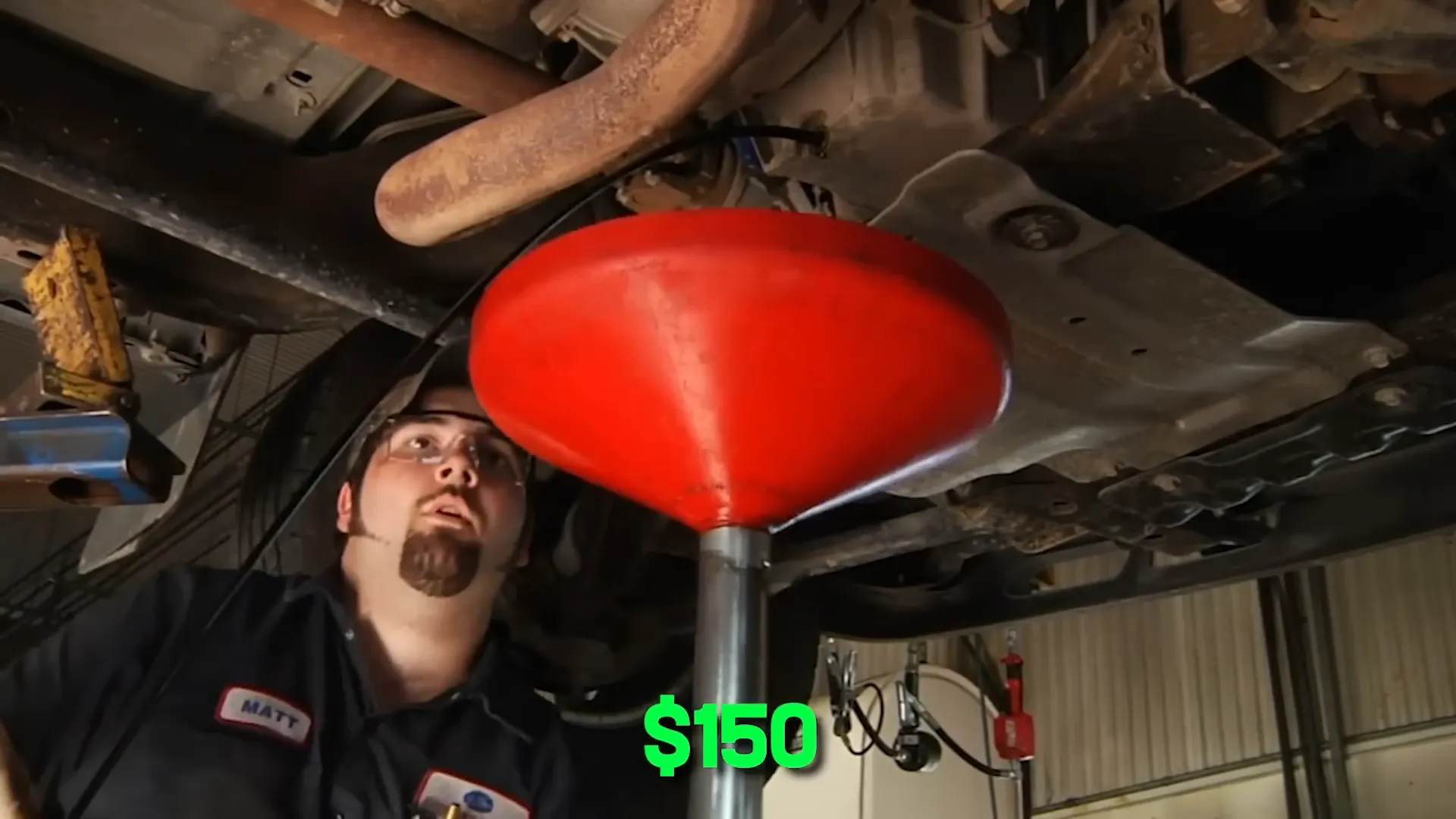
The good news: changing this fluid costs as little as $30 if you DIY, or about $150 at a shop. Fleets that regularly change differential fluid every 50,000 to 60,000 miles often run their vehicles past 300,000 miles without rear-end failures.
Clean gear oil is cheap, a quiet insurance that keeps your drivetrain running smoothly well beyond manufacturer expectations.
🔧 Fix Tiny Leaks and Noises Immediately
Small leaks and faint noises are your car's way of whispering that something is wrong. Ignoring these early signs transforms minor issues into costly repairs.
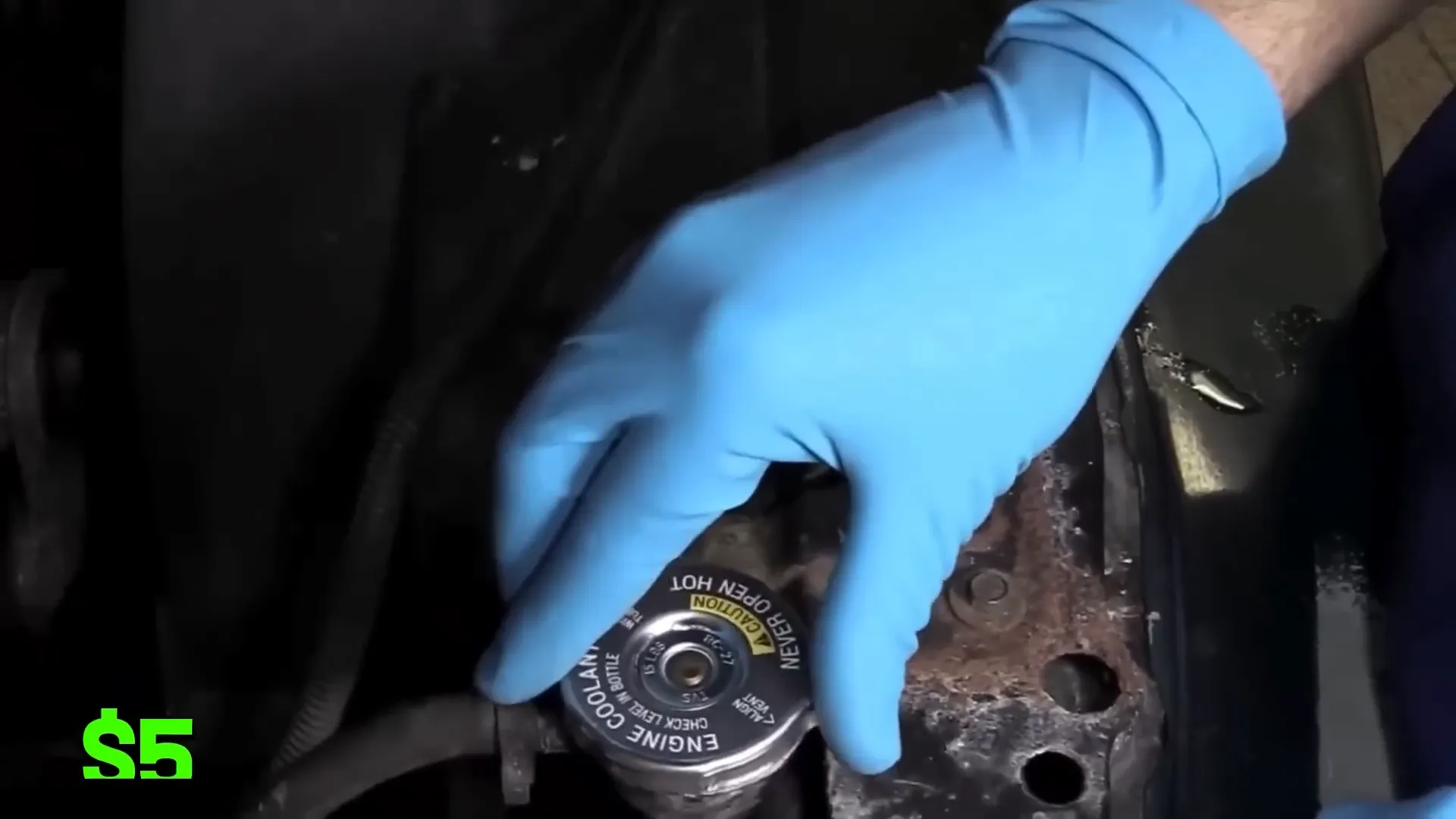
For example, a $5 leaking radiator cap can drop your cooling system's boiling point by 20 degrees, allowing steam pockets to form and warp your cylinder head, leading to a $3,000 head gasket repair.
Oil leaks rob bearings of lubrication, causing them to run hotter and fail prematurely. A gentle tapping noise often signals the beginning of rod knock, a precursor to engine failure.
Even cracked vacuum lines matter. A single split hose can throw off your air-fuel mix, causing misfires that destroy your catalytic converter—a $2,000 repair gone up in smoke.
Early fixes cost mere dollars—a $4 hose, a $10 gasket, or a $30 belt—while delayed repairs can cost thousands. If you notice leaks, drips, or strange sounds, act fast. This habit alone can be the difference between a car that runs smoothly at 500,000 miles and one that doesn't.
🚦 Be Kind to Your Transmission
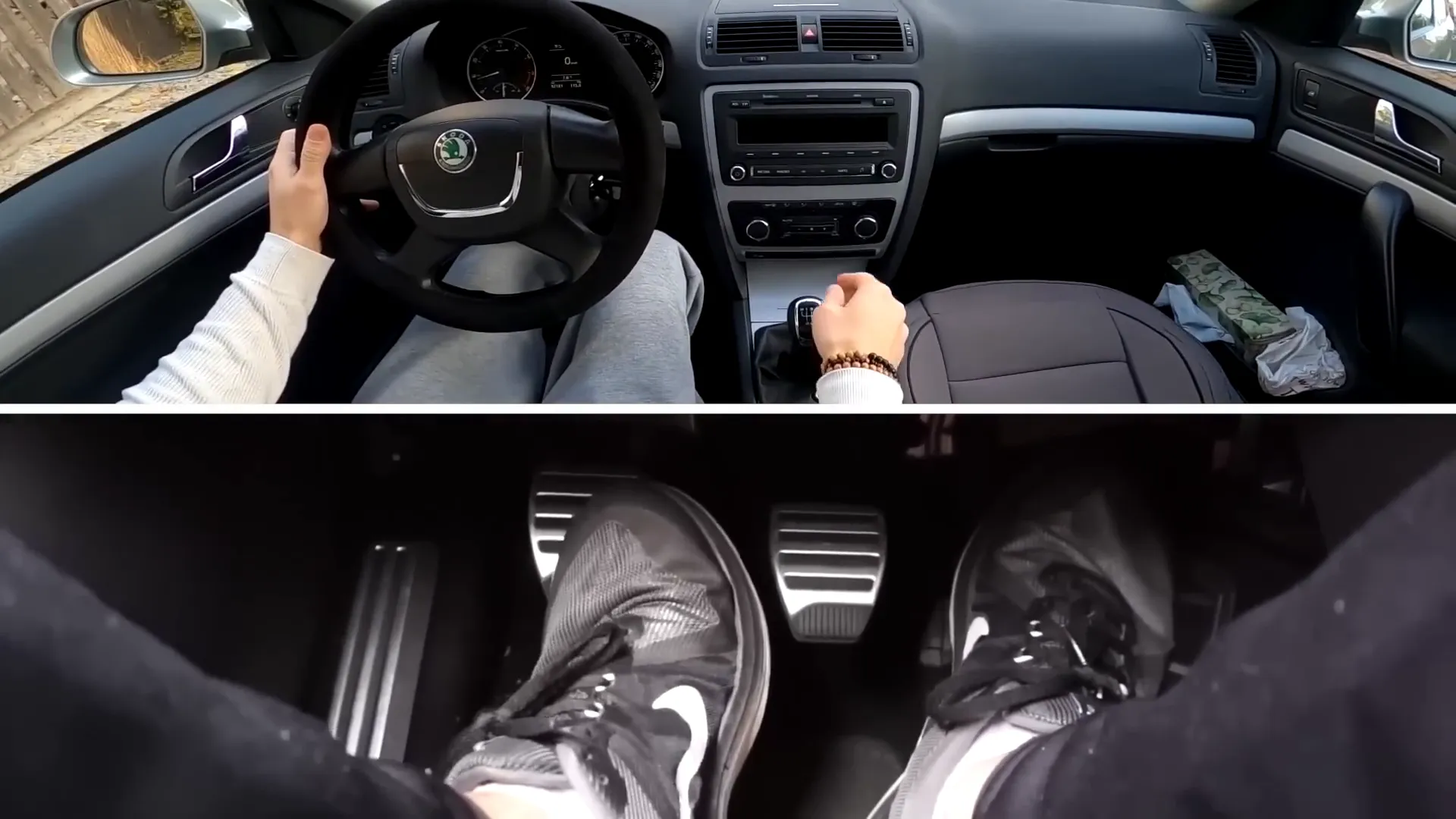
Your transmission is delicate—treat it like glass. Shifting between reverse and drive while the car is still rolling causes clutch packs to act like emergency brakes, shaving years off your gearbox life.
Always use your parking brake, especially on hills. Relying solely on the transmission's parking pawl risks snapping it, which can jam gears or crack the case, leading to a $2,000 rebuild.
When towing, respect your vehicle's rated limits. Even an extra 1,000 pounds can push transmission fluid temperatures past 250°F. For every 20 degrees above 175°F, automatic transmission fluid life is cut in half. Overheated fluid causes burnt clutches long before 100,000 miles.
These habits require no tools or costs—just awareness. By avoiding heat and shock loads and maintaining a good fluid change schedule, your transmission can easily match your engine's lifespan. Taxi fleets and long-haul drivers rely on these practices daily.
❄️ Be Gentle on a Cold Engine
One of the biggest mistakes is flooring the gas right after starting a cold engine, especially in winter. Cold engines have thick, sluggish oil that hasn't circulated to critical parts like camshafts, bearings, and turbos.
For the first 30-60 seconds, components run on the eftover oil film. Revving or loading the engine during this time causes metal-on-metal contact, which accounts for up to 80% of long-term engine wear.
Cold engines also have larger clearances, causing pistons to shrink faster than the block and rings to seal poorly. Rich cold starts wash oil off cylinder walls with raw fuel, leading to scoring, blow-by, and oil consumption—problems you don't want before 200,000 miles.
Turbocharged engines are even more vulnerable. Spooling a cold turbo floods the housing with thick oil that won't flow or cool properly, eventually causing carbon buildup and turbo seizure. Mechanics frequently see this damage in drivers who floor it right out of the driveway.
The fix is simple: ease into your drive. Keep RPMs under 2,000 for the first 5-10 minutes, especially in freezing temperatures. Let the oil warm and flow freely. Fleets in cold regions that follow this rule regularly hit 300,000 to 500,000 miles on original engines and turbos.

🔄 Change That $5 PCV Valve Before It Wrecks Your Engine
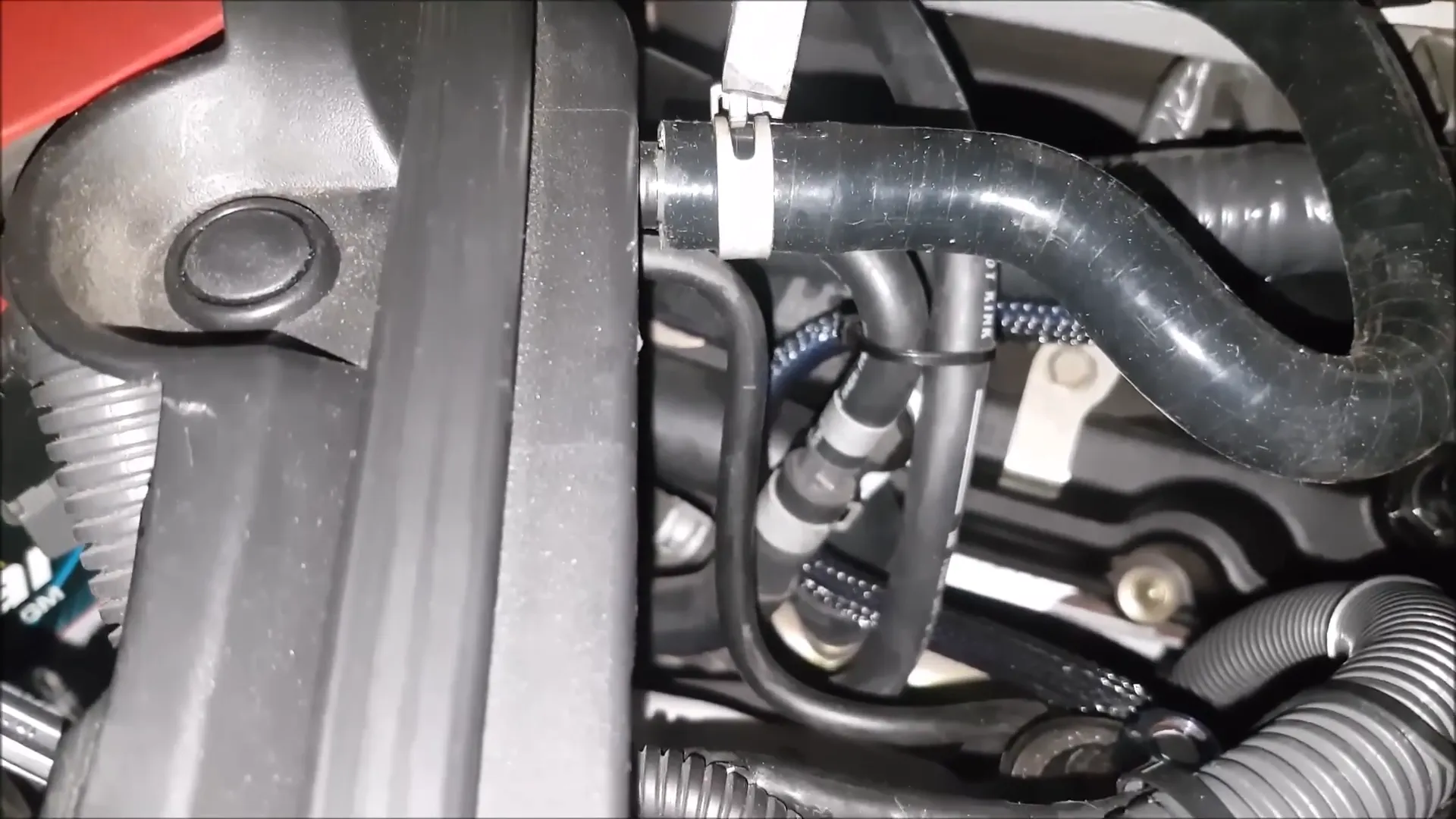
The positive crankcase ventilation (PCV) valve is a tiny but crucial component tucked deep in your engine bay. It costs about $5, but ignoring it can lead to repairs costing thousands.
Every engine stroke leaks combustion gases past the piston rings into the crankcase. This mix of fuel vapors, moisture, and acids turns engine oil into a corrosive soup if not vented properly. The PCV valve acts as a one-way pressure relief, routing these vapors back into the intake to be burned off.
If the valve sticks closed, pressure builds, causing oil leaks, blown seals, and eventual failure. If it sticks open, oil is drawn into the intake, disrupting fuel trims, clogging the intake and catalytic converter, and accelerating engine wear.
Some engines are notorious for PCV-related failures: GM's Ecotec 2.4L engines blow rear main seals, Subaru recommends checking PCV valves when diagnosing misfires and oil consumption, and BMW's N series engines have suffered catastrophic engine collapse from bad PCV valves.
The fix? Remove the valve and shake it—if it doesn't rattle, replace it. Most PCV valves cost under $20 and take less than five minutes to change. Replacing yours every 30,000 miles protects seals, oil, turbos, rings, and your wallet.
🛑 Flush Your Brake Fluid Every Three Years
Brake fluid is often overlooked, yet it plays a critical role in how long your braking system lasts. Unlike engine oil, brake fluid is hygroscopic—it absorbs moisture from the air over time, even through sealed lines and rubber hoses.
After just three years, brake fluid can contain 3-4% water. This moisture drastically lowers the fluid's boiling point from 446°F to around 300°F. On steep downhill runs or during hard stops, moisture boils inside calipers, forming vapor bubbles. The next time you brake, the pedal feels soft because vapor compresses while fluid does not.
Even worse, moisture corrodes calipers, ABS pumps, steel brake lines, copper fittings, pistons, and internal seals. Mechanics routinely find rusted caliper bores and seized ABS valves in vehicles without regular brake fluid flushes. Replacing a failed ABS module can cost $800 to $1,500.
Manufacturers like Toyota, Ford, Honda, and GM recommend flushing brake fluid every two to three years, regardless of mileage. It's about fluid age, not distance driven. Most shops charge around $100 for a brake fluid flush, which is far cheaper than replacing hoses, ABS units, or rebuilding the hydraulic system.
If you want your car to last beyond 500,000 miles, keeping brake fluid fresh is one of the cheapest and most crucial habits to adopt.

🔧 Replace Rubber Components Before They Fail
Engine failure often starts quietly with a ballooning hose or a worn belt that goes unnoticed. Rubber parts like coolant hoses, serpentine belts, and vacuum lines endure constant vibration, oil mist, and under-hood heat exceeding 190°F.
Modern EPDM belts don't crack like older belts but wear down like tire tread. Manufacturers like Gates and Daco recommend inspecting belts by 60,000 miles. If a belt rib wear gauge sits flush in the grooves, replacement is due.
Coolant hoses suffer internal dry rot that weakens them from the inside. A hose that looks fine externally can burst suddenly, dumping coolant and causing a warped aluminum head—a $3,000 repair triggered by a $30 part.
Timing belts on interference engines are unforgiving. One snap can cause pistons to punch valves. Replacement kits cost around $900, but waiting too long can lead to $4,000 engine rebuilds. Toyota, Honda, and Subaru specify timing belt changes between 90,000 and 105,000 miles.
Fleets replace all rubber components on strict schedules to avoid downtime and costly repairs. Skipping a $60 serpentine belt replacement isn't thrift—it's sabotage.
Remember, the difference between a $150 radiator hose job and a blown head gasket can be just five minutes and a torque wrench.
🔄 Stick to Tire Rotation and Alignment Like Religion
Tires are the foundation of your suspension, steering, and fuel economy. Neglecting rotations and alignments causes tires to wear out quickly, damages ball joints and bearings, and wrecks your handling.
Front tires on front-wheel-drive cars wear up to twice as fast as rear tires. Without regular rotation every oil change, expect to replace front tires at 30,000 miles instead of 60,000—money and tread wasted.
Misalignment, even as small as 0.1 degrees of toe or camber, causes tires to scrub sideways, creating feathered tread and placing side loads on bearings and tie rods every mile.
Fleet data shows skipping rotations and alignments cuts tire life by 30% and fuel economy by 5%. Over 500,000 miles, which adds up to thousands of dollars in avoidable wear and fuel costs.
The takeaway: a $75 alignment once a year and a $30 tire rotation every oil change keep tires happy, suspension straight, and your wallet out of trouble. This is the lowest-cost way to keep your car tight past the half-million mark.

🕒 One-Minute Trick to Spot Engine Killers Early
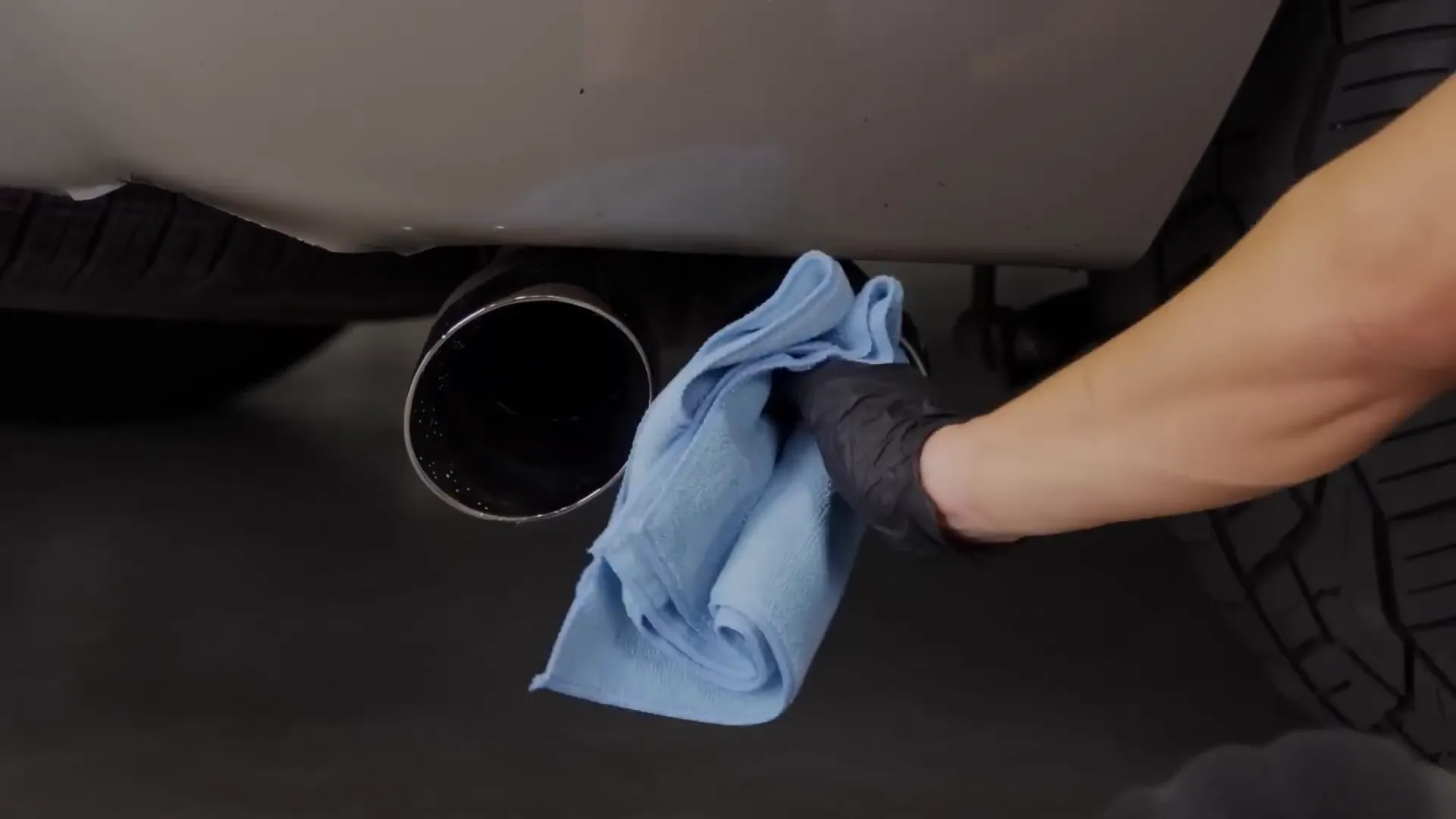
Fleet mechanics swear by this quick, free trick that catches engine killers before they show up on scan tools. Next time you start your car cold, take a clean paper towel and hold it over the exhaust pipe for about a minute while the engine idles.
If the towel is clean or just a bit damp, you're in good shape. But if it comes back with oily spots, a sweet coolant smell, or fine white mist, that's an early warning. It could indicate a tiny head gasket leak or coolant sneaking into the combustion chamber—problems that quietly destroy engines around 120,000 miles.
Catching issues early means repairs cost a few hundred dollars instead of thousands. This simple habit—one minute, one towel—could be what keeps your car running while others are calling for a tow.
Conclusion
Reaching 500,000 miles without a major repair isn't a matter of chance—it's about smart car maintenance habits. From protecting your undercarriage against rust to taking weekly highway drives, from refueling early to regularly flushing fluids and replacing rubber parts, these twelve habits form the foundation of long-lasting vehicles.
Adopting these expert-backed practices not only saves you thousands in repairs but also keeps your car running smoothly, safely, and efficiently for years to come. Remember, car maintenance is an investment in your vehicle's future, and these simple steps can make all the difference.
FAQ 🤔
How often should I take my car on a highway drive?
Once a week for 20-30 minutes at 60-70 mph is ideal. This helps evaporate moisture and burn off fuel contamination that builds up during short trips.
Why is it important not to let my fuel tank get too low?
Fuel cools and lubricates the electric pump inside the tank. Running below a quarter tank causes the pump to overheat and wear out prematurely, leading to costly replacements.
How frequently should I flush power steering and brake fluids?
Power steering fluid should be flushed every 30,000 to 50,000 miles. Brake fluid should be flushed every 2-3 years, regardless of mileage, to prevent moisture buildup and corrosion.
What are the signs that my differential fluid needs changing?
Listen for growling noises during turns or feel vibrations at highway speeds. These indicate worn fluid and the need for a timely change.
How can I test if my engine has a head gasket leak early?
Hold a clean paper towel over the exhaust pipe for one minute while the engine idles cold. Oily spots, sweet coolant smells, or white mist on the towel indicate a potential leak.
Discover More About Automotive Engineering and Innovations
Suppose you're fascinated by the engineering marvels that keep vehicles running smoothly and efficiently. In that case, you might enjoy exploring the fascinating facts about Honda, a brand known for its engineering milestones and innovations in the automotive world.
For those interested in the powerful engines that drive heavy machinery and vehicles, check out the Cummins EPA 27 X15 engine, which showcases cutting-edge fuel system upgrades and turbocharger innovations designed for efficiency and reliability.
Additionally, suppose you want to learn about the large construction machines that play a crucial role in building infrastructure. In that case, the essential construction machines guide offers a clear explanation of excavators, loaders, pavers, and rollers that shape our world.
While maintaining your car, you might also consider sustainable energy options for your home or business. Exploring key types of solar panels can help you understand which solar technology best suits your energy needs and complements your eco-friendly lifestyle.


